
Livraison le jour même ou le lendemain

Qualité garantie

Débloquez vos offres de bienvenue: Livraison GRATUITE | Jusqu'à -80 % | 30 jours d'essai gratuits à JoyPlus
Téléchargez l'application
Sensitive, reactive or redness-prone skin does not necessarily react in the same way every day. Cold weather, heating, shaving, over-cleansing or using too many products can increase tightness and discomfort. In this context, choosing soothing skincare for sensitive skin calls for a considered approach, rather than simply relying on the claims displayed on the packaging.
A cooling sensation or slight tingling can make you feel that a product is working quickly. However, this sensation does not necessarily mean that it is suitable for reactive skin. If your skin is easily irritated, check the INCI list carefully and look in particular for denatured alcohol, fragrance, essential oils or cooling agents.
These claims are no substitute for checking the ingredients. A naturally derived formula may contain botanical extracts or essential oils that some skin types do not tolerate well. Similarly, a product tested under dermatological supervision does not guarantee that everyone will tolerate it in the same way.
A soothing facial serum that targets radiance, dark spots and skin texture at the same time may seem appealing. However, the more products you use, the greater the risk of discomfort. If irritation occurs, it is better to introduce just one new product at a time and keep your routine short.
Start by looking for ingredients known to support hydration and skin comfort, such as glycerine, panthenol, hyaluronic acid, squalane, ceramides or beta-glucan. Centella asiatica, also known as cica, is often used in Korean facial skincare for sensitive skin. It may be a useful ingredient in a formula, but its presence is not a guarantee of medical effectiveness.
For an anti-redness product, also check whether it contains fragrance, alcohol or essential oils. A soothing cream for sensitive skin intended for daily use will often feel more comfortable without fragrance, particularly if your skin reacts to the slightest change.
Apply your skincare products to clean skin without rubbing. Before using a new product all over your face, test it on a small area. Follow the manufacturer’s recommendations, avoid the immediate eye area if the product is not intended for this purpose, and stop using it if redness, itching, swelling or a persistent burning sensation occurs.
Cosmetics are not a substitute for medical advice. If the irritation is severe, lesions appear or symptoms persist, seek advice from a healthcare professional.
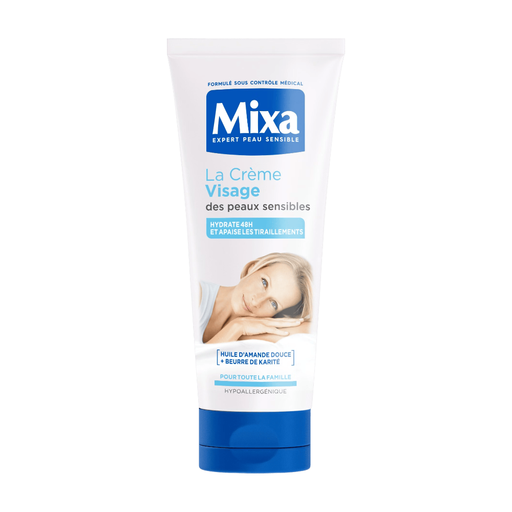
Why this choice suits this profile : Its 100 ml size is suitable for daily use on the face and neck. Its creamy texture is designed for sensitive skin.
The ingredient list includes glycerine, sweet almond oil and shea butter. It also indicates the presence of fragrance : something to check if your skin is sensitive to it.
A generous size, suitable for morning and evening application, with glycerine, sweet almond oil, shea butter and vitamin E.
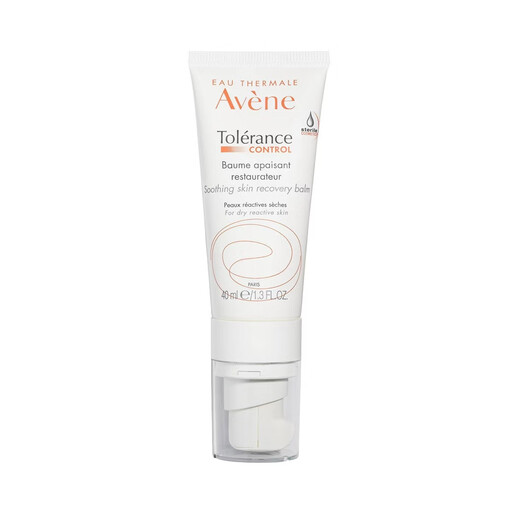
Why this choice suits this profile : Fragrance-free, this balm is designed for dry, reactive, intolerant or hypersensitive skin seeking a richer texture.
Its sterile packaging and formula, stated to be free from preservatives and fragrance, exclude certain ingredients that reactive skin can sometimes tolerate poorly. Still, check the INCI list of the product you receive.
Shea butter, glycerine and squalane in a rich texture ; the product can be used on the face, neck and eye contour.
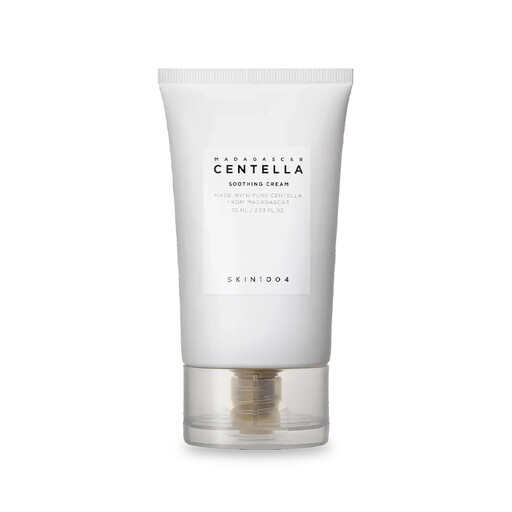
Why this choice suits this profile : Its lightweight, non-greasy texture suits anyone who wants to apply a cream morning and evening without leaving a thick film on the skin.
The formula does not rely solely on centella : it also contains glycerine, hyaluronic acid, panthenol and several ceramides. However, mint and ginger extracts should be monitored if you know that you are sensitive to them.
75 ml, centella asiatica, hyaluronic acid, beta-glucan and NP, NS, AP, AS and EOP ceramides.
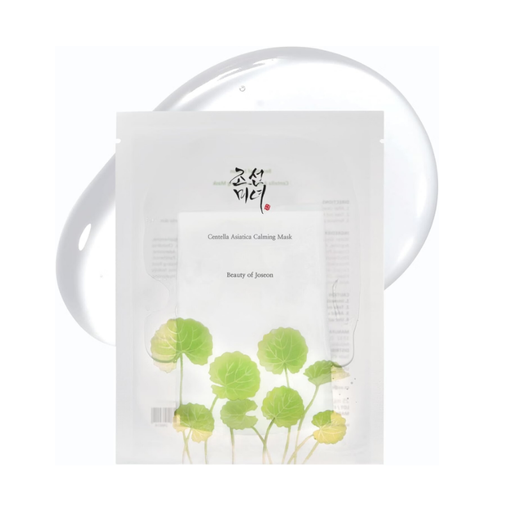
Why this choice suits this profile : This pack of ten masks lets you add an extra step to your routine once or twice a week, particularly when your skin feels uncomfortable.
The product information states that the formula is free from artificial fragrance, colourants, essential oils and mineral oils. Nevertheless, the presence of botanical extracts makes a patch test advisable.
15 % centella asiatica extract according to the product information, three forms of hyaluronic acid and a fine Tencel sheet mask.
We have put together a complete, real-time updated list of products that meet these strict selection criteria and European safety regulations.
In the morning, start with a gentle cleanse or simply rinse with water if your skin does not tolerate repeated cleansing well. Then apply a hydrating or soothing serum, followed by a skin barrier repair cream. If you are going outside, add sun protection, particularly if you use brightening active ingredients.
In the evening, remove impurities without rubbing, apply one targeted product, then a cream suited to your skin’s level of dryness. A mask can be used occasionally, but it does not replace daily hydration. For skincare for dry, sensitive skin, consistency matters far more than using an ever-growing number of products.
Start with a short ingredient list, preferably fragrance-free, containing hydrating and protective ingredients. A cream designed for redness may be suitable, but always check the INCI list and test the product on a small area. Persistent redness should be assessed by a medical professional.
Yes, provided that both products are well tolerated. Generally, apply the serum to clean skin, followed by the cream to help limit dehydration. Introduce them separately : this will make it easier to identify the cause of any potential reaction.
Follow the manufacturer’s instructions. For the Beauty of Joseon mask featured here, the product information recommends using it once or twice a week for 10 to 20 minutes. Remove it as soon as discomfort appears and do not apply any product to skin with a lesion.