
Livraison le jour même ou le lendemain

Qualité garantie

Débloquez vos offres de bienvenue: Livraison GRATUITE | Jusqu'à -80 % | 30 jours d'essai gratuits à JoyPlus
Téléchargez l'application
Sensitive, reactive or redness-prone skin does not necessarily tolerate every cream in the same way. A texture that is too rich can leave an unpleasant film, while a fragranced formula may intensify feelings of warmth for some people. When choosing a soothing face cream for sensitive skin, it is therefore better to look at the ingredients, texture and intended use rather than relying solely on the claims displayed on the jar.
A fresh or slightly mentholated texture can feel pleasant when applied. However, that does not necessarily guarantee good tolerance. Reactive skin often responds well to simple formulas without fragrance or unnecessary aromatic ingredients. Always check the INCI list, especially if your skin has reacted to certain ingredients in the past.
Centella asiatica, Heartleaf, panthenol, ceramides and niacinamide are often associated with skincare designed for weakened skin. However, the presence of a star ingredient alone is not enough to determine whether a cream will suit you. The rest of the formula matters just as much: glycerine, emollients, silicones, oils, alcohol and fragrance can significantly affect how comfortable the product feels to use.
A very rich face-repair cream may be perfect for the evening or for dry skin, but difficult to wear under make-up. Conversely, a non-greasy face cream may not feel comfortable enough when the skin barrier is severely compromised. The right choice also depends on the season, indoor heating, shaving, any acne treatment and how often you apply the product.
For a moisturising cream for sensitive skin, look for a well-balanced combination of ingredients:
These ingredients are not a substitute for medical advice, and tolerance varies from person to person. If a reaction persists, seek advice from a healthcare professional.
The claims ‘fragrance-free’ or ‘without fragrance’ may be worth considering if you want to limit potential sources of discomfort. This does not mean that a fragranced formula will necessarily be poorly tolerated, but reactive skin benefits from carefully checking for fragrance allergens and essential oils.
Before buying, check that the packaging includes a readable ingredients list, batch number, size and period after opening. For products sold in the European Union, the packaging must also provide the required regulatory information, including the identity of the responsible person where applicable.
Carry out a patch test on a small area before first use. Then apply the cream to clean skin as the final step in your routine, morning and/or evening according to the directions for use. Avoid the immediate eye area and stop using the product if redness, itching or irritation occurs.
The options below are grouped according to practical needs. The features mentioned correspond to the composition and usage information provided for each product.
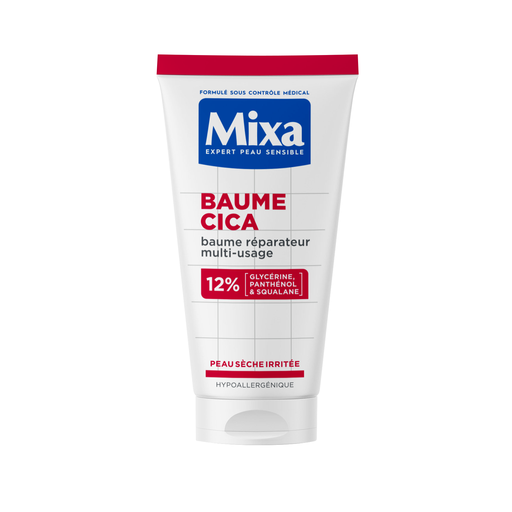
Why this choice suits this profile: its 50 ml size lets you try a targeted routine without building up a collection of products. The product information lists panthenol, glycerine and squalane, as well as versatile use on dry areas of the face.
The formula does not rely entirely on a star botanical ingredient, while its balm texture lets you target areas that feel tight.
Panthenol, glycerine and squalane in a formula designed for fragile and dry skin.
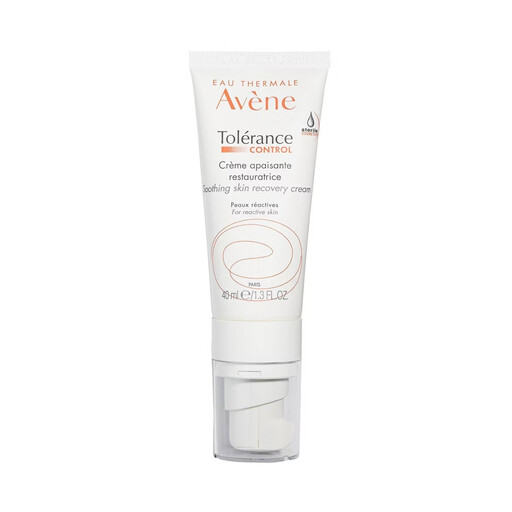
Why this choice suits this profile: this fragrance-free cream is described as suitable for normal to combination and reactive skin. Its sterile packaging and short ingredient list may appeal to those who want to limit unnecessary ingredients.
Being fragrance-free avoids the risk of an overly complex sensory formula, while the lightweight texture makes it suitable for everyday use.
Fragrance-free formula, glycerine, squalane and sterile packaging, as stated by the manufacturer.
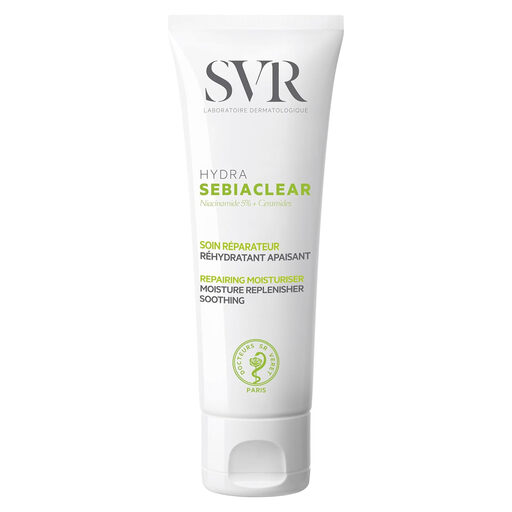
Why this choice suits this profile: the product information recommends it for skin dried out by acne treatments. Niacinamide, shea butter and argan oil may provide the comfort you are looking for after cleansing.
It addresses a specific need rather than making a general claim, but it does contain fragrance: check the INCI list before buying.
Niacinamide, shea butter, argan oil and a texture described as being quickly absorbed.
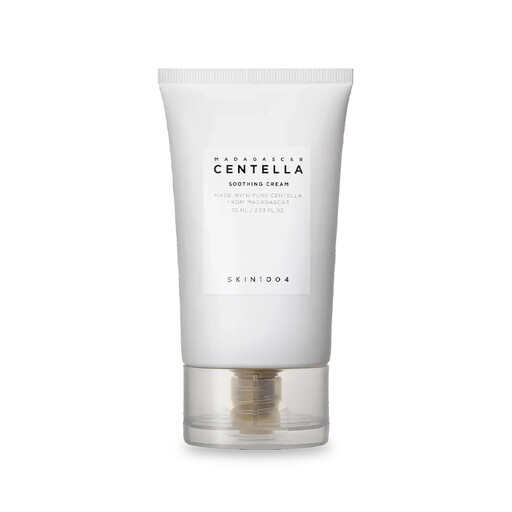
Why this choice suits this profile: its texture is described as lightweight and non-greasy, while its 75 ml tube is suitable for morning and evening use. The formula includes centella asiatica, glycerine, hyaluronic acid and several ceramides.
The texture is clearly stated, helping you avoid an overly occlusive repair cream if you have normal or combination skin.
75 ml, a stated non-greasy texture, centella asiatica, hyaluronic acid and ceramides in the listed formula.
We have put together a complete, real-time updated selection of products that meet these demanding criteria while complying with European safety regulations.
Start with a gentle cleanser, then apply the cream to slightly dry or still slightly damp skin, depending on the texture. A small amount is generally enough for the face and neck. If your skin is very dry, keep a richer formula for the evening. In the morning, a lighter moisturising cream for reactive skin will often feel more comfortable.
Introduce only one new product at a time. This will make it easier to identify the cause of any potential reaction. During the day, add suitable sun protection: redness and sensitivity can be aggravated by external stressors.
Choose a formula that suits your level of tolerance and contains, for example, glycerine, panthenol, allantoin or ceramides. For an anti-redness cream, also check that it is fragrance-free if you are sensitive to fragrance. Persistent redness or redness accompanied by significant discomfort requires medical advice.
Some products are formulated for skin dried out by acne treatments, such as SVR Sebiaclear Hydra. However, needs vary depending on the treatment and the condition of your skin. Follow the recommendations of the healthcare professional supporting you and do not apply cream to damaged skin if the instructions advise against it.
Check the best-before date and the symbol indicating the period after opening, which is usually shown on the packaging. Close the tube or jar after each use and store it away from heat and direct sunlight. If the smell, colour or texture changes, it is best to stop using the product.