
Livraison le jour même ou le lendemain

Qualité garantie

Débloquez vos offres de bienvenue: Livraison GRATUITE | Jusqu'à -80 % | 30 jours d'essai gratuits à JoyPlus
Téléchargez l'application
Sensitive skin can react to a change in temperature, shaving, over-cleansing or a fragranced formula. Yet labels like “soothing”, “natural” or “reactive skin” aren’t enough to identify the right product. To avoid disappointing purchases, it’s better to look closely at the ingredients, texture and usage instructions.
A cream made largely from naturally derived ingredients can still contain essential oils, plant extracts or fragrance. These components aren’t necessarily well tolerated by all sensitive skin types.
If you’re looking for a fragrance-free product for sensitive skin, rely on the INCI list rather than just the product name. The presence of “Parfum” or several aromatic oils deserves particular attention, especially when the skin is already irritated.
Layering toner, serum, mask, cream and several exfoliants increases the risk of discomfort. For irritated skin, a short routine is often better: gentle cleansing, hydration, then sun protection in the morning.
Centella Asiatica, allantoin, glycerin, squalane and certain ceramides are frequently sought after to improve skin comfort. However, tolerance varies from person to person and depends on the formula as a whole.
A promise of 24 or 48 hours of hydration corresponds to results claimed for a specific product, tested under given conditions. It doesn’t guarantee the same effect on all skin types. Marketing claims should therefore be distinguished from easily verifiable details: size, texture, presence of fragrance, type of packaging and ingredients.
For a soothing cream for sensitive skin, choose a clear formula that suits your habits. Humectants, like glycerin, help retain water on the skin’s surface. Emollients, squalane and shea butter can bring more comfort to dry skin.
Skin that reacts easily can turn to a fragrance-free formula. This label doesn’t, however, excuse you from reading the full INCI list. A fragrance-free product can be very rich or contain other ingredients to which you are personally sensitive.
A lightweight hydrating moisturiser for reactive skin can be pleasant in the morning, under sun protection, or during warm periods. When the skin feels tight or in winter, a more nourishing balm will often be better suited. On a particularly uncomfortable area, applying a toner in short compresses or a hydrating face mask can be more practical than layering several serums.
Before placing an order, check the size, the best-before date or period after opening, the batch number and usage precautions. Cosmetics sold in the European Union must include several regulatory details, notably the name of the responsible person and the list of ingredients.
Test the product on a small area before applying it for the first time. In case of persistent redness, itching or a burning sensation, stop using it immediately and seek advice from a healthcare professional.
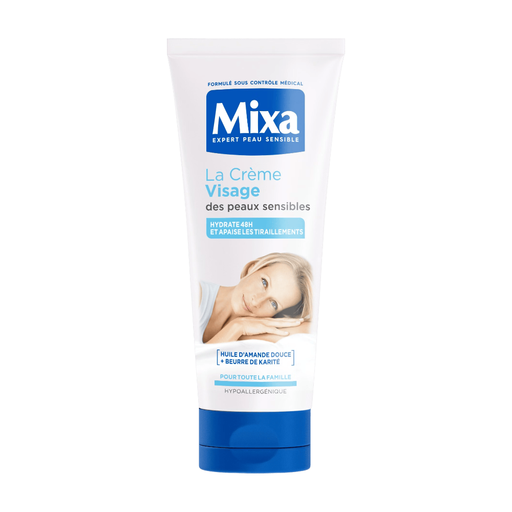
Why this choice suits this profile: Its 100 ml size and creamy texture fit easily into a simple daily routine, for both the face and neck.
The formula is presented as suitable for sensitive skin and doesn’t require multiple steps. However, keep an eye on the presence of fragrance in the ingredients.
A generous size, with sweet almond oil, glycerin and shea butter in the formula.
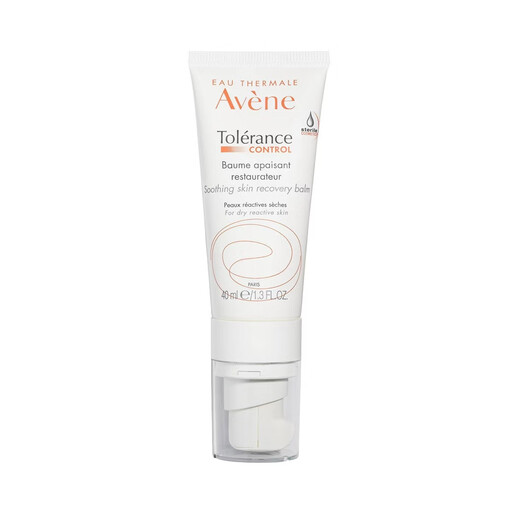
Why this choice suits this profile: With its rich texture, this balm targets dry, reactive or intolerant skin in search of a minimalist daily skincare product.
Its sterile packaging is presented as free from preservatives and fragrance, meeting the needs of those looking for a short, controlled formula.
Shea butter, glycerin and squalane, with morning and evening application on the face, neck and eye contour.
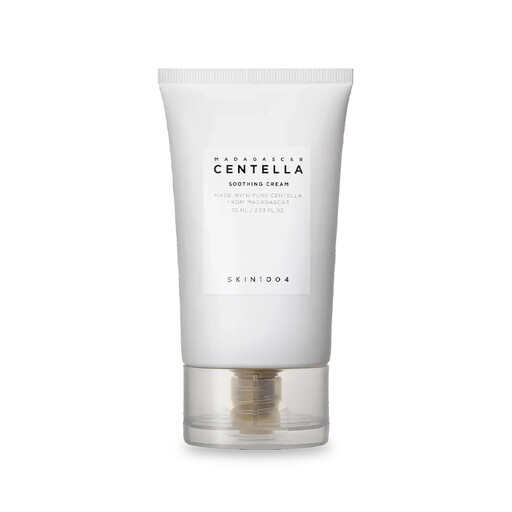
Why this choice suits this profile: Its lightweight texture and 75 ml size are suitable for regular use, especially when balms are too rich.
Its non-greasy texture avoids choosing a very occlusive cream when the skin prefers a light finish.
The formula mentions Centella Asiatica, glycerin, hyaluronic acid and several ceramides.
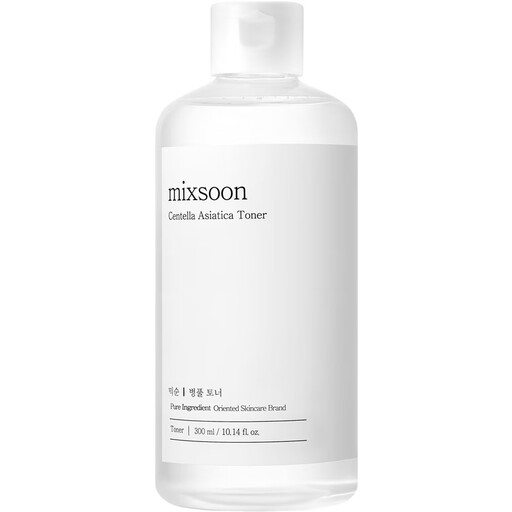
Why this choice suits this profile: Its watery texture slips easily between cleansing and serum, without weighing down a routine that already has several steps.
Its short formula limits the stacking of active ingredients. A patch test is still recommended, even with a minimalist formula.
300 ml, Centella Asiatica and three ingredients listed in the formula: water, butylene glycol and Centella extract.
A Centella Asiatica serum or toner pads can complement the routine, but they aren’t essential. Consistency and a well-tolerated formula matter more than the length of the ritual.
Start with a cream containing hydrating and nourishing agents, such as glycerin, squalane or shea butter. A balm texture will often suit dry skin better, while a light emulsion will be more pleasant on combination skin.
Respect the period-after-opening symbol and the indications on the packaging. Heat, direct light and repeated contamination can alter the product. Close the bottle carefully and use a clean spatula when the manufacturer recommends it.
No. A soothing toner can add a pleasant hydrating step, but it remains optional. If your skin reacts, go back to a short routine consisting of a gentle cleanser, a suitable moisturiser and sun protection.