
Livraison le jour même ou le lendemain

Qualité garantie

Débloquez vos offres de bienvenue: Livraison GRATUITE | Jusqu'à -80 % | 30 jours d'essai gratuits à JoyPlus
Téléchargez l'application
Sensitive skin can react to the slightest change in temperature, hard water, shaving or product build-up. And as for those “soothing” promises, they’re not enough to tell you whether a product will actually fit into your routine. To avoid purchases that end up at the back of a cupboard, it’s better to take a close look at the formula, the format and the intended use.
A cooling sensation or a subtle fragrance can give you a feeling of comfort, but that doesn’t guarantee the product will be well tolerated day after day. Some soothing hydrating gels contain alcohol, essential oils or fragrance – ingredients that aren’t necessarily suitable for very reactive skin.
Take the time to read the INCI list. For a simple routine, it’s better to choose a short formula containing hydrating agents like glycerin, panthenol, hyaluronic acid or certain protective fatty substances.
Cleanser, lotion, serum, mask, cream and exfoliant from day one – in these conditions, it’s hard to know which product is causing a reaction. A gradual routine is much easier to follow: gentle cleansing, hydration, then a barrier-repair treatment if your skin needs it.
The words “natural”, “vegan” or “hypoallergenic” don’t mean you can skip checking the ingredient list. They tell you about certain characteristics of the product, but they can’t predict how every skin type will react.
A facial product isn’t automatically suitable for the eye area, the body or intimate hygiene. The Intima gel featured below, for example, is intended for external intimate cleansing, not for the face. For a baby, an animal or skin affected by persistent irritation, always follow the usage precautions.
If your skin reacts easily, check for the presence of fragrance, alcohol, essential oils or overly harsh cleansing agents. A fragrance-free formula can be a safer choice when your skin feels tight or flushes easily, even if that’s not a guarantee that works for everyone.
Anti-redness products may include centella asiatica, aloe vera, allantoin or liquorice. These ingredients are known for their comforting properties, but their effect also depends on your skin and the formula as a whole.
Normal or combination skin will often be more comfortable with a light emulsion. Dry skin may need a richer cream, containing ingredients like squalane, shea butter, glycerin or ceramides. Texture also matters: a rich balm can be pleasant in the evening, while a gel or essence slips more easily under sunscreen.
A 300 ml bottle isn’t the same as a 30 ml serum. Compare the volume with how often you’ll apply it and the area you’re treating. Also check the storage advice, the best-before date and, where indicated, the period after opening.
Before the first application, do a patch test on a small area. If redness, itching or persistent discomfort occurs, stop using the product immediately. A marked or prolonged reaction warrants medical advice.
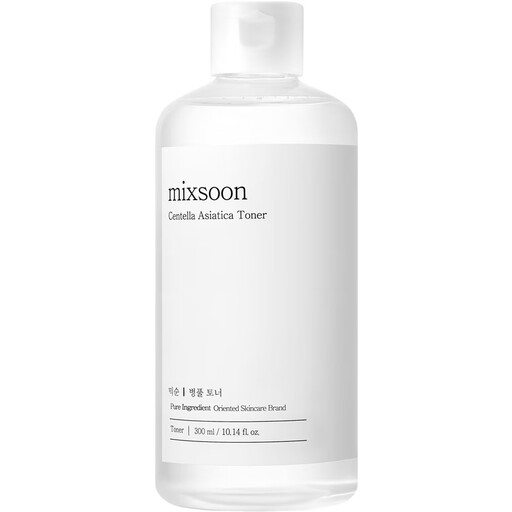
Why this choice fits this profile: With its 300 ml, this toner can be used morning and evening after cleansing without weighing down your routine or adding a multitude of steps. According to the available information, its formula contains water, glycerin, butylene glycol and centella asiatica extract.
The stated composition is short, which makes it easy to decipher and avoids layering too many active ingredients at the start.
A watery texture, a large 300 ml format and intended use after cleansing, before serum or cream.
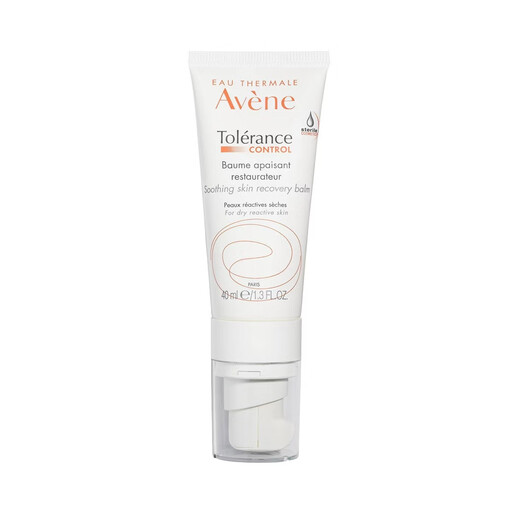
Why this choice fits this profile: This 40 ml balm is designed for dry, reactive or intolerant skin. It can be applied to the face, neck and eye area, morning and evening, as per the provided instructions.
The stated formula is fragrance-free and preservative-free. The manufacturer also indicates sterile packaging.
The stated composition notably combines squalane, glycerin and shea butter in a richer texture.
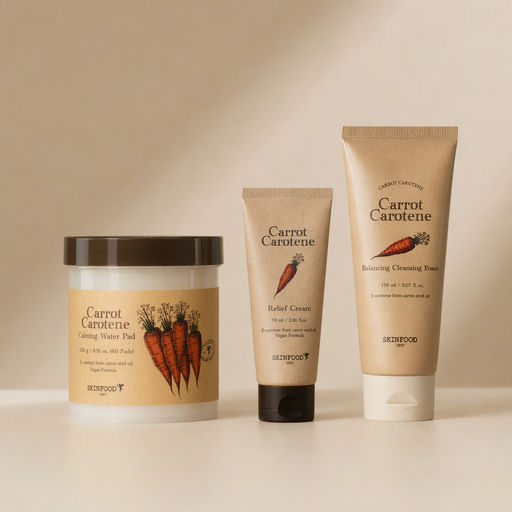
Why this choice fits this profile: This set includes a cleanser, toner pads and a cream. It can therefore serve as the basis for a structured routine when multiple steps are genuinely useful.
The three products each have their own role: cleanse, hydrate with the pads, then apply a cream.
The set includes 150 ml of cleanser, 60 pads and 70 ml of cream, with three distinct textures.
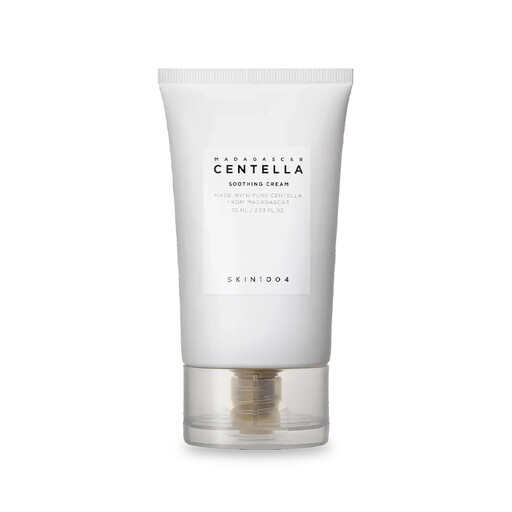
Why this choice fits this profile: Its light texture and 75 ml tube lend themselves to daily application on the face and neck, morning or evening.
The description states a non-greasy texture and a formula that contains several ceramides, cholesterol and phytosphingosine.
A 75 ml format, with centella asiatica, glycerin, hyaluronic acid and ceramides in the stated composition.
Start with a gentle cleanser for sensitive skin, such as a cleansing milk, then add a soothing toner if you wish. A serum for sensitive skin remains optional – if you choose one, stick to a single light, easy-to-understand formula. Finish with a soothing cream suited to your skin’s level of dryness.
For occasional treatment, a hydrating face mask can be left on for a few minutes, as long as you avoid ingredients your skin already struggles with. Very dry skin will often appreciate a balm, while combination skin tends to prefer a gel-cream.
For babies, Corine de Farme Calendula body milk is presented by the manufacturer as usable from birth, but it contains fragrance – check the ingredient list and do a patch test. For intimate hygiene, the Intima gel contains aloe vera, a soap-free base and has a physiological pH of 5.3. It remains reserved for this external use.
We’ve put together a comprehensive selection, updated in real time, of products that meet these selection criteria and European safety requirements.
Yes, but it’s better to introduce them one at a time. To start, a gentle cleanser, a moisturiser and sun protection are often enough. Then add the toner, serum or mask gradually so you can more easily identify any intolerance.
It all depends on the product and its packaging. Check the open-jar symbol, the date indicated and the storage conditions. Close bottles tightly and protect them from heat and direct light. If the smell, colour or texture changes, stop using the product.
Start with two well-chosen products: a cleanser and a cream. The budget then increases depending on the format, packaging, brand and number of steps. Compare the price per millilitre and prioritise a formula that’s genuinely suited to you rather than stockpiling products you’ll barely use.