
Livraison le jour même ou le lendemain

Qualité garantie

Débloquez vos offres de bienvenue: Livraison GRATUITE | Jusqu'à -80 % | 30 jours d'essai gratuits à JoyPlus
Téléchargez l'application
A soothing cream for sensitive skin needs to address a real need: reducing discomfort, limiting dryness and helping to preserve the skin barrier. But between the marketing promises and the sometimes unpredictable reactions of your skin, the choice isn't always as straightforward as it seems.
A gel or "sorbet" texture can feel pleasant on combination skin, but it won't necessarily be enough for very dry or rough areas. Conversely, a very rich cream can leave a heavy, uncomfortable film on your face. The right choice therefore depends on the area you're treating, the season and the degree of dryness.
This indication doesn't mean you can skip reading the INCI list. A fragrance-free cream may be better suited to reactive skin, whereas a formula containing essential oils or fragrant ingredients calls for more caution. As formulations can change, always check the packaging of the product you receive.
Your face, hands, elbows and legs don't all have exactly the same needs. A large-format soothing face and body cream can be practical for the whole family. For a specific area or when travelling, a targeted treatment in a small tube will be easier to use.
For dry skin, look for humectant and re-lipidising agents such as glycerin, hyaluronic acid, shea butter or emollient oils. For tightness or weakened skin, panthenol, ceramides, squalane and centella asiatica are often found in products designed to improve skin comfort.
A cream formulated to support the skin barrier may contain lipids, silicones or occlusive agents that limit water loss. That doesn't mean it will suit all skin types: a protective texture can feel too rich on an area prone to blemishes.
If your skin reacts easily, choose a fragrance-free cream and check for the possible presence of essential oils. A fragrance-free formula doesn't rule out any risk of reaction, but it does remove one potential source of irritation. Test the product on a small area before first use and stop using it if you experience redness, itching, burning or swelling.
A dermatological cream or one intended for atopic skin does not replace medical advice if symptoms persist. To discover other treatments suited to skin discomfort, also check out our selection of anti-itch creams.
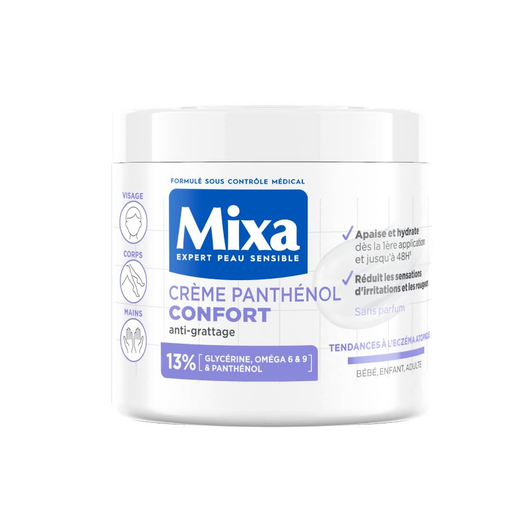
Why this choice suits this profile: With its 400 ml, this treatment is suitable for daily use on the body and saves you from having to buy more too often. The stated formula contains glycerin, panthenol, niacinamide and shea butter.
The large format and the reportedly non-greasy texture prevent you from choosing a small face treatment to cover your body's needs.
Panthenol and glycerin in the stated composition; family-sized 400 ml format.
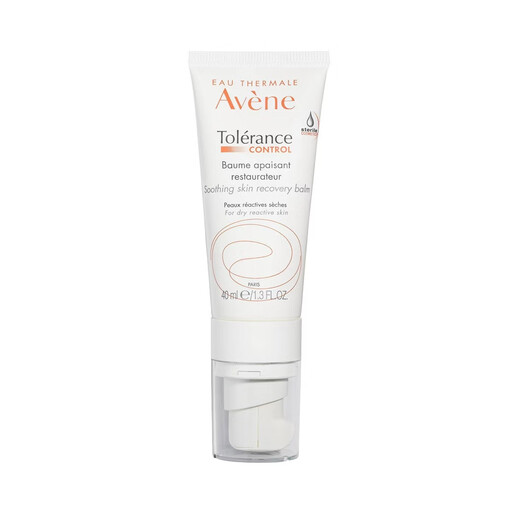
Why this choice suits this profile: This 40 ml balm targets dry and reactive facial skin. Its short composition includes glycerin, squalane, shea butter and beeswax.
The stated fragrance-free formula and sterile packaging are aimed at people who want to limit unnecessary ingredients.
Fragrance-free according to the product sheet; balm texture suited to uncomfortable areas of the face.
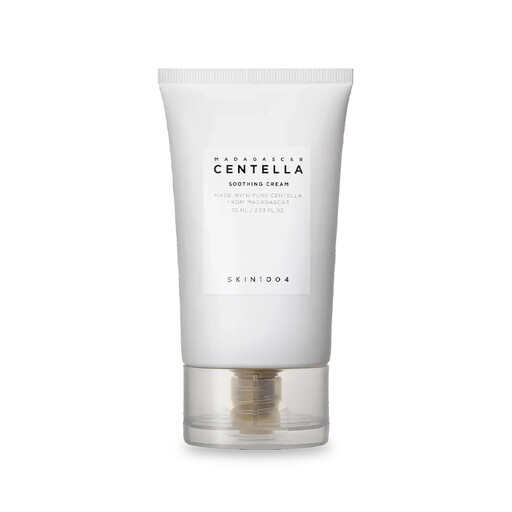
Why this choice suits this profile: Its light, non-greasy texture is presented as suitable for daily application on the face, morning and evening. Its formula contains centella asiatica, glycerin and several ceramides.
The stated non-greasy finish prevents you from applying a balm that is too occlusive on skin that prefers fluid textures.
Centella asiatica and ceramides stated; 75 ml tube easy to incorporate into a facial routine.
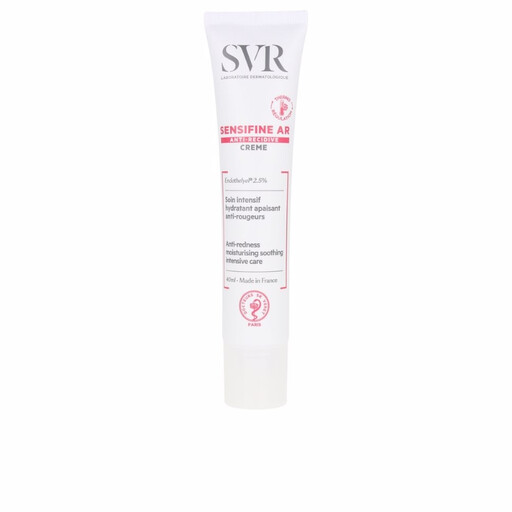
Why this choice suits this profile: This anti-redness cream is intended for the face and neck. Its light texture is presented as compatible with make-up, making it practical for everyday use.
The fragrance-free claim and targeted use prevent you from choosing a body cream that is too rich for an area of the face prone to redness.
Stated fragrance-free formula; application on face and neck, with reportedly fast absorption.
We have put together a comprehensive, real-time updated selection of products that meet these strict criteria as well as European safety regulations.
Apply the treatment to clean, dry skin by patting it on, without rubbing an already sensitive area. Start with a small amount, then increase if needed. On the face, avoid the immediate eye area unless the manufacturer states the product can be used there.
A patch test on a small area for 24 to 48 hours can help identify an individual reaction. Do not share an opened jar with young children and respect the period after opening indicated on the packaging. A soothing cream should not be applied to a deep wound or to an area where an infection is suspected.
Choose a formula containing hydrating and protective agents, such as glycerin, shea butter, panthenol or ceramides. A balm texture will be more suitable for very dry areas, while a light cream may be more comfortable on the face.
Yes, as long as you choose a formula designed for the face and free from ingredients you are sensitive to. A fragrance-free anti-redness cream can be considered, but it does not replace medical treatment. If redness persists or is accompanied by pain, swelling or lesions, seek advice from a healthcare professional.
Respect the best-before date and the symbol indicating the period after opening on the packaging. Close the tube or jar carefully, keep it away from heat and light, and replace it if its smell, colour or texture changes.