
Livraison le jour même ou le lendemain

Qualité garantie

Débloquez vos offres de bienvenue: Livraison GRATUITE | Jusqu'à -80 % | 30 jours d'essai gratuits à JoyPlus
Téléchargez l'application
Sensitive, reactive, dry or redness-prone skin deserves particularly careful consideration. Yet packaging for soothing cream for sensitive skin is full of promises: immediate comfort, skin barrier repair, long-lasting hydration… A formula suited to dry skin may prove too rich for combination skin. Conversely, a lightweight texture may contain fragrance or other ingredients that some skin types do not tolerate well.
Before buying a sensitive skin face cream, it is worth keeping three pitfalls in mind:
For a soothing moisturising cream, look in particular for humectants such as glycerine, hyaluronic acid or panthenol. They help the skin retain water, although they are not, on their own, a universal solution.
Ceramides, cholesterol, oils and squalane play a greater role in supporting the skin barrier. They may be useful when skin feels dry, uncomfortable or weakened by cold, wind or a routine containing too many active ingredients. As for plant extracts, such as centella asiatica or heartleaf, they do not guarantee the same level of tolerance for everyone.
A calming face cream in gel or lightweight emulsion form fits easily into a morning routine, beneath sunscreen or make-up. A more enveloping texture is often more comfortable in the evening or on dry areas.
Also check whether the product contains fragrance. A fragrance-free formula may be preferable if you know that fragranced formulations do not suit you. Conversely, the presence of essential oils or fragrance does not automatically make a product unsuitable, but it does call for greater caution if you have reactive skin.
A 40 to 50 ml tube is generally suitable for targeted use on the face. Sizes from 70 to 400 ml are more practical for applying to the face and body, provided that the texture and formulation are intended for this use.
In the European Union, cosmetics must include several regulatory details, including the ingredients list and the responsible person’s contact details. Always check the packaging of the product you receive, as the formulation may change over time. Carry out a patch test on a small area before using it for the first time and stop immediately if you experience redness, itching, burning or persistent discomfort. In the event of significant or lasting irritation, a cosmetic cream is not a substitute for medical advice.
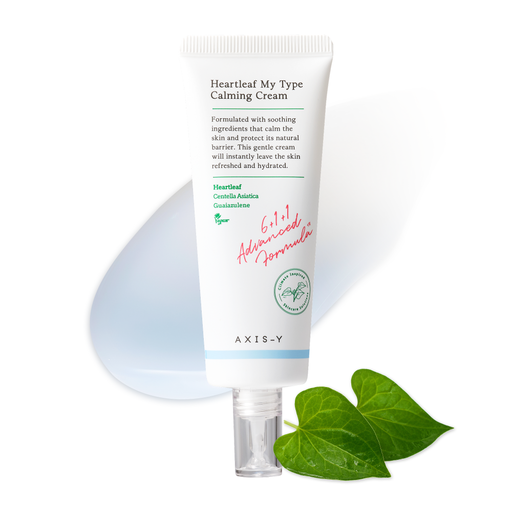
Why this choice suits this profile : Its lightweight texture and 60 ml size are suitable for starting a daily routine, particularly if you have combination or uncomfortable skin and find rich creams difficult to tolerate.
The product information mentions a lightweight texture and recommends carrying out a patch test first. This helps you avoid making your decision based solely on the general promise of a sensitive skin treatment.
The formulation contains heartleaf extract, glycerine, sodium hyaluronate and allantoin. The product information also states that it is a vegan formula.
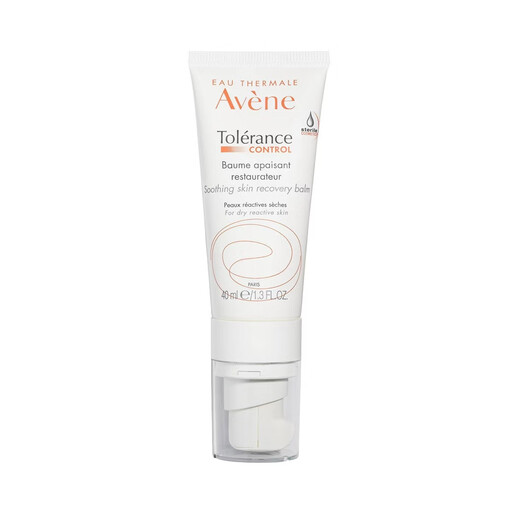
Why this choice suits this profile : This French option is designed for dry, reactive and intolerant skin looking for a comforting balm as part of a minimalist routine.
The product information mentions a fragrance-free formula and sterile, preservative-free packaging. Even so, check the labelling on the product you receive before using it.
The formulation contains glycerine, squalane and beeswax. According to the information provided, the 40 ml size can be used on the face, neck and eye contour.
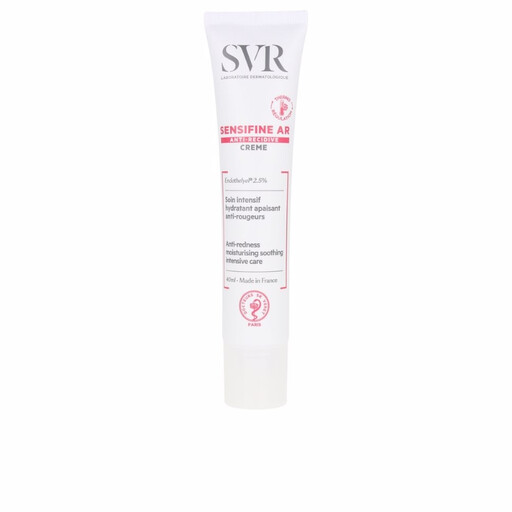
Why this choice suits this profile : Designed for sensitive skin prone to redness, this cream can be included in a daily routine when comfort and compatibility with make-up are priorities.
The product information states that it has a lightweight, fragrance-free and non-greasy texture. It also highlights the presence of colour pigments, which is worth considering depending on your preferences.
The formulation contains glycerine, squalane and dipotassium glycyrrhizate. The manufacturer recommends it for the face and neck, with application morning and evening.
We have brought together a complete, real-time updated selection of products that meet these strict criteria as well as European safety requirements.
Apply a small amount to cleansed skin, after your most fluid skincare products and before sunscreen in the morning. In the evening, the cream can be the final step in your routine. If your skin reacts easily, start by applying it once a day, or even every other day.
When introducing a new skincare product, avoid using several exfoliating actives or fragranced products at the same time. This approach makes it easier to identify the cause of any potential discomfort.
Start by comparing the texture, whether it contains fragrance and which ingredients support the skin barrier. An anti-redness cream may be formulated to improve the comfort of skin prone to redness, but it is not a substitute for medical treatment. If the redness persists, ask a healthcare professional for advice.
The term “Cica” generally refers to formulas containing centella asiatica or ingredients associated with it. It does not guarantee universal tolerance. Check the INCI list, look for any fragrance and carry out a patch test before applying the product to a larger area.
Follow the minimum durability date or the period after opening indicated on the packaging. Close the product carefully and store it away from heat and direct sunlight. If its smell, colour or texture changes, you should stop using it.