
Livraison le jour même ou le lendemain

Qualité garantie

Débloquez vos offres de bienvenue: Livraison GRATUITE | Jusqu'à -80 % | 30 jours d'essai gratuits à JoyPlus
Téléchargez l'application
Redness, tightness, dryness or a feeling of heat: when your skin reacts at the slightest touch, choosing a skincare product can quickly become complicated. A soothing cream for sensitive skin should calm discomfort without building up ingredients that may be poorly tolerated. Yet the claims displayed on the packaging are not always enough to help you make the right choice.
Here are the most common pitfalls, the criteria to consider and a selection of products suited to several skin profiles.
A lightweight or refreshing texture can feel pleasant as soon as it is applied, without necessarily meeting the needs of dry or weakened skin. Some products also contain fragrance or plant extracts that may not suit reactive skin.
To avoid disappointment, check the INCI list and choose a texture that is genuinely suited to your skin’s level of dryness.
This description does not mean you can ignore the ingredients. A cream for reactive skin may be fragrance-free and contain ceramides, panthenol or glycerine, but formulas vary from one product to another. Also check the manufacturer’s instructions for use and precautions.
Testing the product on a small area is preferable before applying it for the first time, especially if your skin reacts easily.
A 40 or 50 ml tube is generally enough for targeted facial skincare. For the hands, body or use by the whole family, a 400 ml bottle will often be more practical and economical day to day. Conversely, a large tub is not ideal if you are looking for a product to carry in a bag or use occasionally.
The skin barrier helps limit water loss and contributes to overall skin comfort. Products containing ceramides, cholesterol, phytosphingosine or emollient agents can have a place in a routine designed for dry and weakened skin.
A ceramide cream generally focuses on nourishment and protection. A formula rich in glycerine, hyaluronic acid or panthenol will place more emphasis on improving the feeling of hydration and suppleness.
A soothing facial moisturiser does not necessarily serve the same purpose as a repairing cream designed for the body. So check the recommended application areas on the packaging carefully.
In the morning or under make-up, a non-greasy cream for sensitive skin that absorbs quickly may feel more comfortable. In the evening, dry skin will generally benefit more from a richer, more enveloping balm texture.
The products below are described based on their ingredients, size and the use indicated by the manufacturer. As with all cosmetics, tolerance and results may vary from one person’s skin to another.
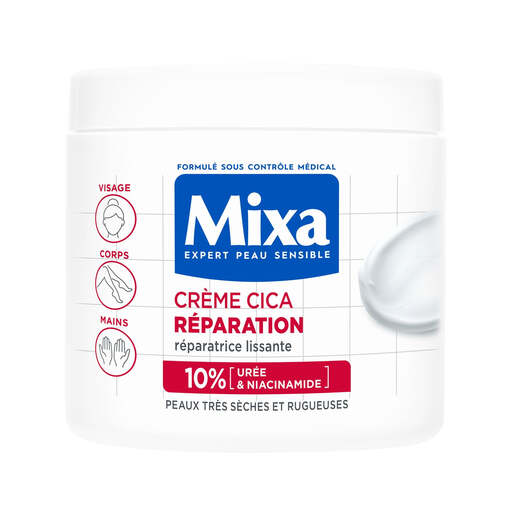
Why this choice suits this profile : Its large size makes it suitable for regular use on the face, hands and body, particularly when several areas suffer from dryness.
The 400 ml size means you do not need to accumulate several small tubes for everyday skincare. However, check whether the formula contains fragrance if your skin is sensitive to it.
10% urea, glycerine, shea butter and niacinamide. Its texture is described as non-greasy, and it can be used on the face, body and hands.
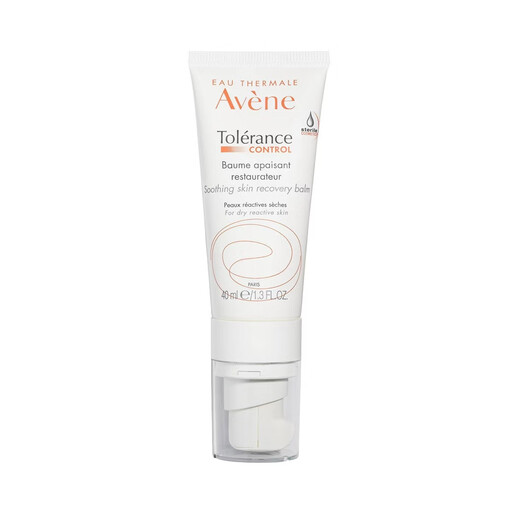
Why this choice suits this profile : This balm is designed for anyone looking for a short, fragrance-free facial formula for dry, reactive or intolerant skin.
The product information states that it has a fragrance-free formula, packaged in sterile, preservative-free packaging. Testing it on a small area is still recommended before regular use.
A rich balm containing glycerine, squalane and shea butter. It can be applied to the face, neck and eye contour.
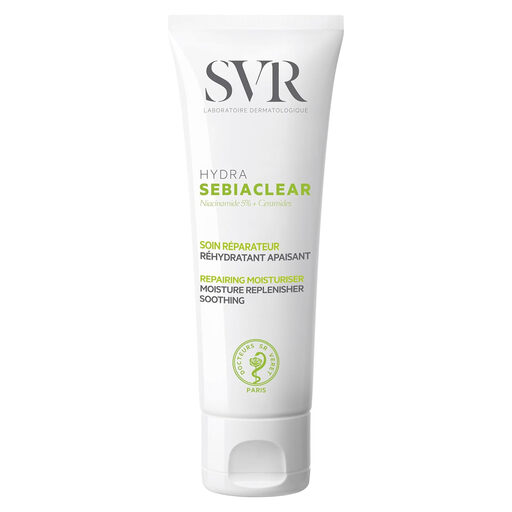
Why this choice suits this profile : This product is suitable for anyone looking to rehydrate their skin as part of a drying anti-acne routine, or wanting a lightweight cream after an acne flare-up.
The product information describes a lightweight, non-comedogenic texture. It also mentions the presence of fragrance, which is worth considering if you have a known sensitivity.
Niacinamide, glycerine, shea butter and argan oil. This product is designed to complement a routine for blemish-prone skin.
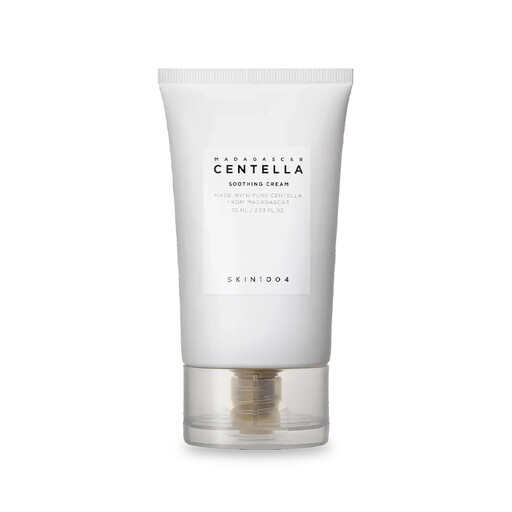
Why this choice suits this profile : Its lightweight, non-greasy texture may suit an everyday routine when you want to hydrate your skin without a heavy feel.
At 75 ml, the size is practical for applying to the face morning and evening. However, the formula contains several plant extracts, so check that they are compatible with your skin.
Centella asiatica, glycerine, hyaluronic acid, beta-glucan and several ceramides in the formula.
We have compiled a complete, real-time updated selection of products that meet these exacting criteria and European safety standards.
A healing cream for the face and body should not be applied to an open wound unless the manufacturer explicitly allows it. If the irritation persists or is accompanied by pain, oozing or a significant reaction, seek advice from a healthcare professional.
Start by looking for the cause of the discomfort, then choose a formula with a texture that suits you. An anti-redness cream may contain soothing active ingredients, but its tolerance depends on each person’s skin. Fragrance-free products may be worth considering if scented products cause discomfort.
Yes, provided the manufacturer recommends daily use and your skin tolerates it. A centella asiatica cream can be applied as the final step in your routine, morning or evening. Introduce it gradually and stop using it if you experience redness, itching or discomfort.
A moisturising cream is primarily intended to improve the skin’s comfort and suppleness. A repairing cream for sensitive skin generally combines hydrating agents with ingredients that help support the skin barrier, such as ceramides, lipids or panthenol. The right choice therefore depends on the level of dryness, the texture you prefer and the area to be treated.