
Livraison le jour même ou le lendemain

Qualité garantie

Débloquez vos offres de bienvenue: Livraison GRATUITE | Jusqu'à -80 % | 30 jours d'essai gratuits à JoyPlus
Téléchargez l'application
Redness, tightness, itching… Living with sensitive or reactive skin can turn choosing a simple skincare product into a real headache. Faced with shelves full of promises, it's easy to feel lost and make a purchase that, instead of calming your skin, only makes the discomfort worse. As a product expert for the Joybuy editorial team, my mission is to help you see things more clearly. Let's break down the pitfalls to avoid and the essential criteria for finding the soothing care for sensitive skin that's right for you.
Before choosing a product, it's crucial to recognise misleading marketing claims and bad ideas that can cost your skin and your wallet dearly.
To make an informed choice, focus on concrete elements rather than slogans. Here are the three things to check before you buy.
The INCI list is your best ally. You don't need to know everything, but being able to spot a few ingredient families is a game-changer.
Soothing and Repairing Actives to Look For:
Ingredients to Avoid if Possible:
How the product feels on your skin is just as important as its composition.
The scalp is simply an extension of the skin on your face and can also be sensitive. If you experience itching or irritation, opt for a shampoo for sensitive scalps formulated without harsh sulphates (like Sodium Lauryl Sulfate) and enriched with soothing actives like niacinamide or aloe vera.
To guide you, here is a selection of products that meet specific needs, all in line with the criteria we've just detailed.
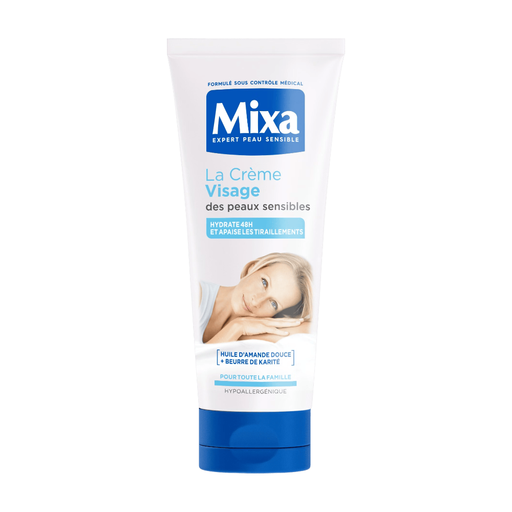
The profile: Perfect for those who want a simple, effective, and affordable solution for the whole family. Its hypoallergenic formula and creamy texture are suitable for both adults and children, and it even works as an excellent aftershave to soothe razor burn.
This product doesn't promise the moon, but rather reliable hydration and real relief from discomfort (redness, tightness). Its formula focuses on tried-and-true ingredients like sweet almond oil and vitamin E.
Its generous 100 ml size offers excellent value for money. The non-greasy texture absorbs quickly, making it a great everyday skincare base.
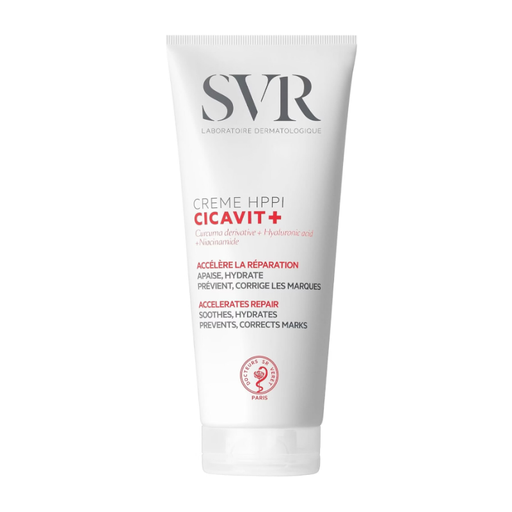
The profile: This is the SOS treatment to have in your medicine cabinet for everyday skin issues, big or small: scratches, sunburn, irritation, or post-dermatological procedures (peels, laser). A true Swiss Army knife for weakened skin.
It doesn't present itself as a miracle solution, but as a technical treatment. Its "bandage effect" texture isn't a gimmick: it creates a protective film that isolates the skin to help it regenerate, without suffocating it.
Its versatility is its strong suit: face, body, external intimate areas... Its high-tolerance formula is suitable for the whole family. Bonus: it contains 94% ingredients of natural origin.
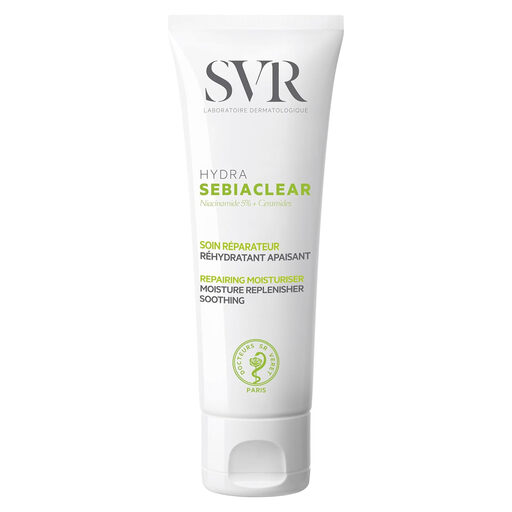
The profile: Specifically formulated for acne-prone skin that has been weakened and dried out by dermatological treatments. It meets a dual challenge: soothing irritation and discomfort while also targeting post-blemish marks, without the risk of clogging pores.
Far from generic promises, this treatment tackles a very specific problem: compensating for the dehydration and irritation caused by anti-acne treatments. It rebalances the skin by providing nourishment and comfort, all in a guaranteed non-comedogenic formula.
Its non-comedogenic formula is obviously its main asset. The 5% niacinamide visibly targets red and brown marks left by blemishes, while durably restoring the skin's comfort.
We have compiled a complete selection of products that meet these demanding selection criteria.
The distinction is significant. Sensitive skin is a permanent condition, often genetic in origin. It overreacts to stimuli that are normally well-tolerated. Sensitised skin is a temporary state caused by external factors: environmental aggressors (cold, sun), stress, or the use of unsuitable cosmetic products that have damaged its protective barrier. In both cases, a suitable soothing treatment is the key to restoring comfort and protection.
Relief from tightness or heat can often be felt from the very first applications. However, for a visible improvement in redness (as with an anti-redness cream or a rosacea treatment) and for a true repair of the skin barrier, patience is key. It generally takes several weeks of twice-daily use to see lasting results.
That's a bad idea disguised as a good one. The formulas for the face and scalp are completely different. A hydrating face mask, even a soothing one, is likely to be too rich, difficult to rinse out, and leave a greasy residue on the roots and scalp. For targeted relief, it's better to turn to a shampoo for sensitive scalps or a hair mask specifically designed for that purpose.