
Livraison le jour même ou le lendemain

Qualité garantie

Débloquez vos offres de bienvenue: Livraison GRATUITE | Jusqu'à -80 % | 30 jours d'essai gratuits à JoyPlus
Téléchargez l'application
A sonic electric toothbrush can help make your brushing more consistent, thanks to its timer, rapid vibrations and various intensity settings. However, a packed spec sheet doesn't guarantee comfortable, cost-effective use in the long run. In the UK, there are a few things worth checking before you buy: availability of brush heads, charging method, real-world battery life and water resistance.
Sonic technology relies on the rapid movement of the brush head, as well as the circulation of toothpaste and water around your teeth. A high number of movements per minute can be appealing, but it isn't enough to judge the day-to-day experience. The shape of the head, the flexibility of the bristles and the ability to reduce the intensity all play an important role too.
Any plaque removal figures quoted by a brand should be seen as results achieved under their own test conditions. So, the performance claimed by Philips corresponds to the results they have published: they don't represent a guaranteed outcome for every user.
A handle might seem affordable at first, but replacement heads are an ongoing expense. Check the recommended replacement frequency, the price of refills and how easy they are to buy. Some models require you to use only the brand's own brush heads or compatible ones from the same range.
A worn or misshapen head also loses comfort and effectiveness. The automatic reminder feature on some models doesn't replace the need for regular visual checks.
An IPX7 waterproof toothbrush is designed to withstand temporary immersion, under the conditions set out by this classification. That doesn't mean the charger or charging port can get wet. Always dry the handle and the connection area before charging, and follow the manufacturer's instructions.
A toothbrush with a two-minute timer, plus a signal every 30 seconds, helps you divide your brushing time evenly across the four sections of your mouth. This feature is especially useful if you tend to rush or spend too long on one area.
The pressure sensor is another very handy feature. It can alert you to brushing too hard with a vibration, a light or an automatic reduction in power. If you have sensitive gums, also opt for a soft head and a gentle mode. However, a toothbrush for sensitive gums doesn't replace the advice of a dentist if you're experiencing pain, persistent bleeding or irritation.
The number of settings should match your needs. Two intensities may be enough for simple use, while multiple brushing modes let you distinguish between daily cleaning, gentle care, massage and polishing. Too many settings, though, can make a routine that should be simple feel more complicated.
A rechargeable toothbrush offering several weeks of battery life is handy for frequent travel. Look at the type of cable supplied, whether an adapter is included, compatibility with mains voltage and how long a full charge takes.
A claimed battery life of 90 or 180 days is usually based on a very specific usage frequency. So it should be compared cautiously with a battery life expressed in days. When travelling, a battery indicator and a standard cable can be more practical than a bulky charging stand.
A travel case protects the handle and brush heads at the bottom of your bag. However, check whether it only holds the handle or can also accommodate several heads. After each use, rinse the head, wipe the handle and let the different parts dry. Avoid storing a damp brush head in a closed case for a long period.
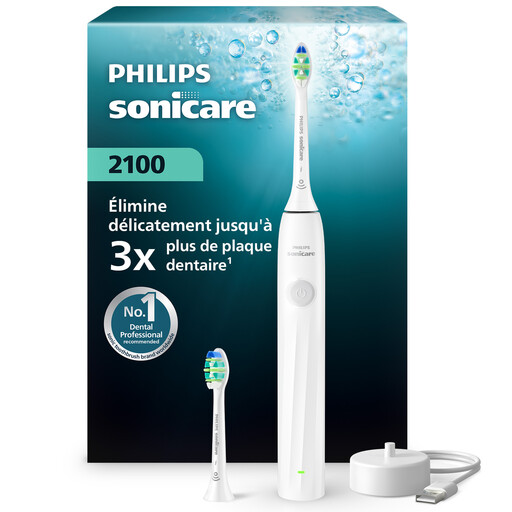
Why this choice suits this profile: this adult electric toothbrush focuses on simple handling, two intensities and a claimed battery life of up to 14 days.
The two-minute SmarTimer and 30-second QuadPacer reduce the risk of brushing too quickly or neglecting an area.
31,000 movements per minute claimed, two intensities, EasyStart function and InterCare head included.
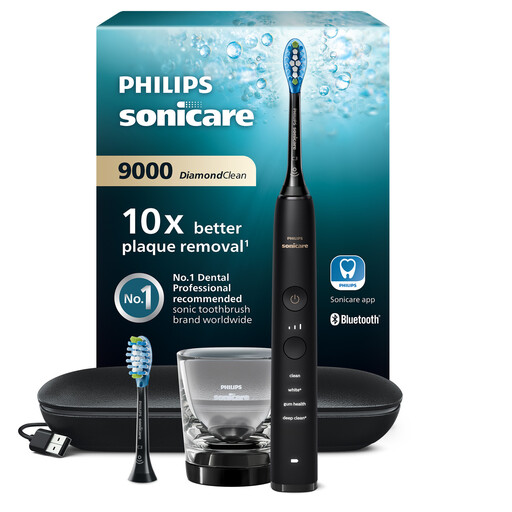
Why this choice suits this profile: this model is aimed at those who want to personalise their routine and enjoy more comprehensive charging and travel accessories.
The pressure sensor, replacement reminders and distinct settings let you focus on genuinely useful features, rather than just the claimed power.
Four modes, three intensities, pressure sensor, guidance app, charging glass and travel case.
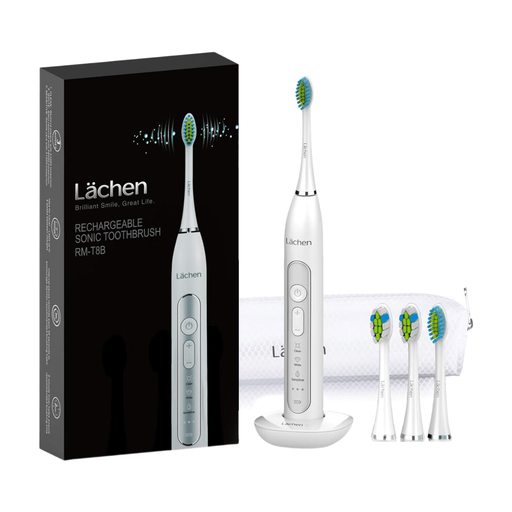
Why this choice suits this profile: its case, six heads and claimed battery life of up to 60 days make it a model suited to both travel and regular use.
The USB inductive charging and 100–240 V compatibility simplify use at home and on the go, while the IPX7 rating applies to the handle.
Nine combinations of modes and intensities, two-minute timer, storage case and six heads included.
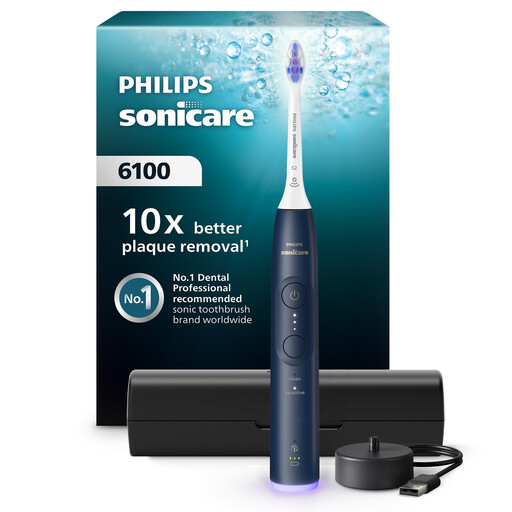
Why this choice suits this profile: the S2 Sensitive head, two modes and three intensities allow you to adapt your brushing to prioritise everyday comfort.
The pressure sensor alerts you if you're brushing too hard and can reduce the vibrations, helping to correct an overly vigorous technique.
Extra-soft bristle head, two modes, three intensities, timer, BrushSync reminder and travel case.
We've put together a comprehensive, real-time updated list of products that fully meet these strict selection criteria and European safety regulations.
The cost mainly depends on the price and replacement frequency of the heads, as well as the electricity consumption of the charging stand. Before choosing, compare how many brush heads are supplied, their availability and their compatibility with the handle.
It depends on the model and how often you use it. Spec sheets sometimes quote 14, 21, 60, 90 or 180 days. These figures are based on battery life measured under specific conditions: it can decrease with multiple users, high intensity or battery ageing.
Only if the manufacturer allows it and the handle has suitable protection, such as IPX7. The charger must never be placed under water, and charging should only be done with completely dry components.