
Livraison le jour même ou le lendemain

Qualité garantie

Débloquez vos offres de bienvenue: Livraison GRATUITE | Jusqu'à -80 % | 30 jours d'essai gratuits à JoyPlus
Téléchargez l'application
A sonic electric toothbrush can simplify your oral care routine thanks to its rapid vibrations, built-in timer and multiple intensity settings. But product descriptions often highlight impressive numbers without explaining the features that really make a difference day to day.
For adults, couples and families in the UK, three common pitfalls keep cropping up:
A sonic electric toothbrush for adults may offer several programmes, but it’s important to tell the difference between modes and power levels. Five modes combined with three intensities give you more flexibility than a device limited to a single speed – provided the controls are still easy to use.
If you have sensitive gums, opt for a low intensity setting and a head with soft bristles. A pressure sensor can also be useful: depending on the model, it either reduces the vibrations automatically or gives you a visual signal that you’re brushing too hard. That said, it doesn’t replace a dentist’s advice if you’re experiencing pain, persistent bleeding or have had recent treatment.
The Oral-B iO 5, for example, offers five modes including Sensitive and Super Sensitive, plus a light ring that shows your brushing pressure. The Philips Sonicare Series 6500 boasts three programmes, three intensities and a visual alert for excessive pressure. Think of these features as helpful guides for adjusting your technique, not a guarantee of identical results for everyone.
A toothbrush with a 2-minute timer usually beeps every 30 seconds to remind you to move to a different area of your mouth. This split helps you spread your brushing time evenly and stops you from rushing.
Also check whether the cycle stops automatically, whether the timer can be turned off, and whether the device remembers your last setting. For family use, an intuitive design is often more practical than an app packed with features – especially when several people are sharing the same brush.
A long-lasting electric toothbrush is especially handy for frequent travel, holidays or households that prefer not to recharge every week. Compare the claimed battery life with the charging time and the type of cable supplied.
IPX7 protection usually applies to the handle: it means the handle is water-resistant under the conditions specified by the manufacturer. It doesn’t mean you can submerge the charger. For a waterproof sonic toothbrush, rinse the handle and head after each use, then let them dry before storing.
A rigid travel case or separate pouch protects the head while you’re on the move. USB-rechargeable models can also be convenient in hotels, as long as you check the charger’s compatibility. Finally, look at how often the heads need replacing – manufacturers typically recommend changing them every three months.
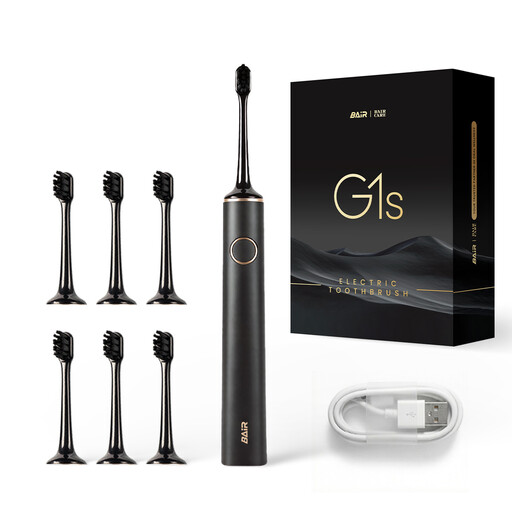
Why this suits this profile: This rechargeable model offers five modes, three intensities, a two-minute timer and a claimed battery life of 90 days. It’s ideal for anyone wanting to switch to a sonic brush without getting lost in complicated settings.
The product page clearly lists the modes, intensities, timer and IPX7 rating, rather than focusing solely on vibration speed.
Rechargeable, IPX7, five modes, three intensities, smart timer and travel case included.
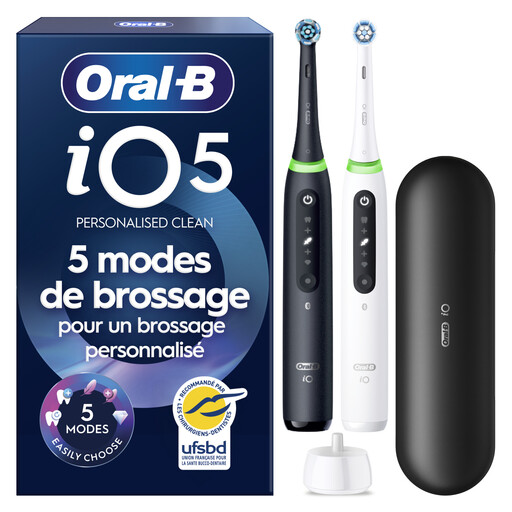
Why this suits this profile: This pack includes two handles – one black, one white – making it a natural choice for couples. Bluetooth connectivity and pressure indicators appeal to users who enjoy digital tracking.
The light ring tells you whether your pressure is right or too heavy. The charging base must still be kept away from water, even though the handles are IPX7 rated.
Five modes, pressure sensor, Bluetooth, two rechargeable handles and two brush heads included.
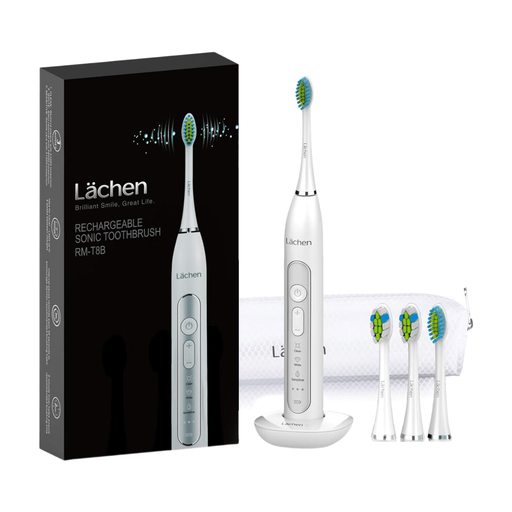
Why this suits this profile: With six brush heads, a travel case, wireless USB charging and a claimed battery life of up to 60 days, this model works well for both travel and everyday home use.
The claimed battery life and included accessories mean you won’t need to recharge the brush frequently when travelling. The heads will still need replacing and must remain compatible with the brand.
Nine cleaning combinations, IPX7, timer with zone reminders, six brush heads and storage case.
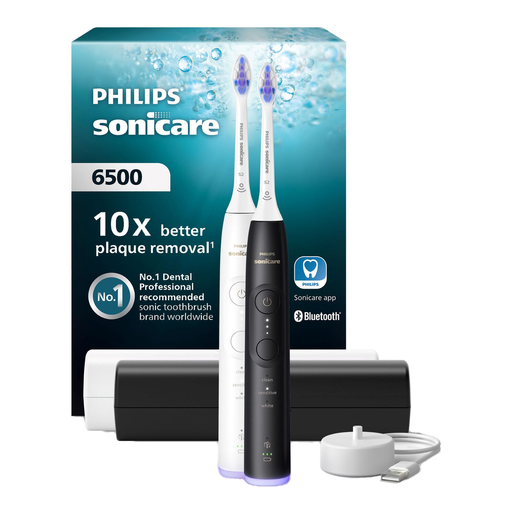
Why this suits this profile: This twin pack includes two handles, two travel cases, three programmes and three intensities. It’s ideal for couples whose members have different preferences.
The product page clearly states the number of handles, programmes, intensities and cases. The pressure sensor gives you a concrete reference while brushing.
Two handles, two cases, three modes, three intensities, Bluetooth and two-minute timer.
We’ve put together a comprehensive, real-time selection of products that meet these exacting criteria, all while complying with European safety regulations.
No. Use a toothpaste that suits your habits and follow the instructions in the manual. Put a small amount on the brush head, place it in your mouth before switching it on, then guide it gently without pressing too hard.
It depends on the battery, how often you use it and how well you look after it. Rinse the head and handle, dry the accessible parts and follow the manufacturer’s guidelines. The heads generally need replacing every three months or so, or sooner if the bristles are worn.
A long battery life is handy, but the case, charging time and availability of a compatible cable matter just as much. For regular trips, compare these factors with the weight of the charger and the number of heads supplied.