Anyone picnicking alone
You want to take an amount that suits your break, without having to carry a large, opened bar around in warm weather. The net weight and whether the bar can be broken into portions matter more than a “solo” label alone.


For a solo break, a small bar means less to carry. An 80–100 g bar could also work if you plan to break off a portion and keep the rest away from the heat. Compare the sugars per 100 g, ingredients and allergens on the packaging. Nutri-Score can offer an extra guide when it’s shown, but it remains optional in France, according to the Ministry of Agriculture.
You want to take an amount that suits your break, without having to carry a large, opened bar around in warm weather. The net weight and whether the bar can be broken into portions matter more than a “solo” label alone.
You want to compare sugars and other nutritional values, then check the ingredients and allergens in the recipe you’ve chosen. Nutri-Score only adds to this information if it appears on the product.
You’ll want to start by choosing a cocoa content and flavour you enjoy. The Lindt EXCELLENCE 100% Cocoa Dark listing shows why you should also check the sugars, energy and fat content of the exact product, rather than judging a bar on its cocoa percentage alone.
For a solo picnic, start with how much you plan to take and eat, then compare the recipe and its label.
| Factor | What to check | Who is it for? |
|---|---|---|
| Size and portion | The net weight, the number of bars in the pack and how much you’d like to take. | For a solo break, I want to finish the bar or have little left to carry in the heat; around 40% of consumers would make size their priority. |
| Label and allergens | Sugars and other nutritional values per 100 g, followed by the ingredients and allergens in the exact recipe. | If I need to compare sugars or check for allergens before setting off, the label matters more than the size; around 30% of consumers would put this information first. |
| Recipe and flavour | The stated cocoa content and the ingredients, without assuming that the cocoa percentage alone tells you everything about the nutritional values. | I mainly want to choose between an intense dark chocolate and a milk or praline recipe I enjoy; flavour would be the main consideration for around 30% of consumers. |
According to the Ministry of Agriculture, Nutri-Score is optional in France. Its absence doesn’t, by itself, tell you what the bar contains.
Check the nutritional information, ingredients and allergens on the packaging. Use Nutri-Score as an additional guide when it’s shown.
Article 1613 ter of the French General Tax Code, published on Légifrance, applies to drinks and liquid preparations for drinks, not chocolate bars.
If sugars matter to your choice, compare the value per 100 g shown on the bars you’re considering. Don’t use this tax as a buying criterion.
Sizes vary by product: a 90 or 100 g bar may leave you with some to carry, while a pack may contain several individual bars.
Check the net weight and pack contents. If you break a bar into portions, plan how you’ll keep the rest protected while you’re out.
An opened bar needs suitable packaging and a place away from the heat until you get home.
A cocoa percentage doesn’t sum up the sugars, energy or fat content. Check these values for the exact product you’re buying.
Compare the nutritional information and ingredients with the flavour you’re looking for, rather than treating the cocoa content as an overall verdict.
The EXCELLENCE range includes dark chocolate bars in 50 and 100 g sizes, with different cocoa contents.
The range includes milk chocolate bars and other recipes, in individual, standard or sharing sizes depending on the product.
Nestlé offers KitKat bars combining chocolate and wafer, as well as the Les Recettes de l’Atelier range.
Carrefour France lists, among other products, a 180 g Côte d’Or dark chocolate bar with whole hazelnuts.
Carrefour France offers dark chocolate bars in 80, 100 and 200 g sizes, depending on the product.
This selection includes a small dark chocolate bar and 90–100 g bars that can be broken into portions, with different cocoa contents and praline recipes. For your picnic, choose how much to take and check the storage instructions on each pack.
 Image unavailable
The 35 g size is a handy choice if you want to take a small bar for an individual break. Check the packaging to see if this amount suits you and look out for any “may contain” allergen warnings. Keep the bar out of direct sunlight while you’re out.
 Image unavailable
This 100 g bar is for anyone looking for dark chocolate with 85% cocoa who’d like to take just a portion for their break. Plan to keep the rest away from the heat. To compare sugars and allergens, check the packaging for this product.
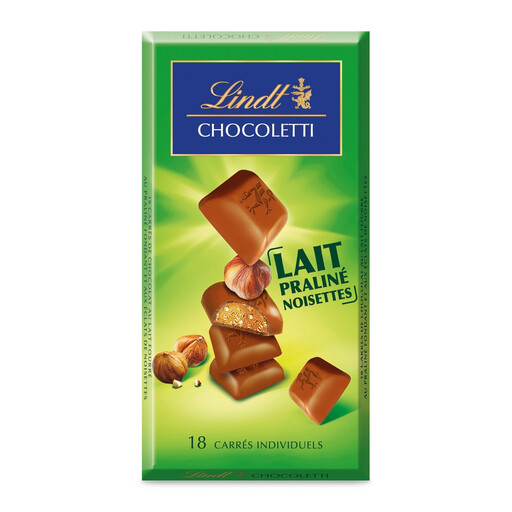 Image unavailable
This 100 g bar is a good choice if you’d like to break up a milk chocolate and praline recipe for your break, rather than take a small bar to eat all at once. The recipe includes hazelnuts, almonds, milk, soya and barley. Check the label if any of these allergens are a concern, and keep the rest away from the heat.
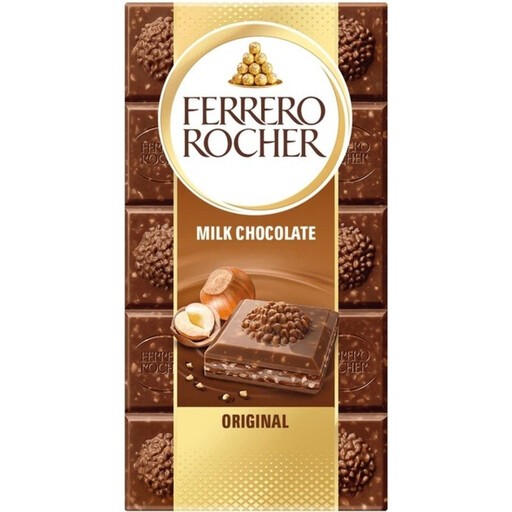 Image unavailable
The 90 g size could work if you’re looking for a milk chocolate and hazelnut recipe to break into portions. Check the allergens on the packaging. The storage instructions for this product specify 16 to 18 °C, away from sunlight, so it needs particular care on a summer picnic.
 Image unavailable
This 90 g bar can be broken into portions for a gianduja break. Don’t rely on the “sugar-free” claim alone when comparing this product: check the sugars listed on the packaging. Check the ingredients list too, particularly for maltitol, and keep the bar away from the heat.
No. Article 1613 ter of the French General Tax Code, published on Légifrance, defines a levy on drinks and liquid preparations for drinks, not chocolate bars. You can compare the sugars in chocolate bars when choosing a recipe, but not for the purposes of this tax.
No. The Ministry of Agriculture says that Nutri-Score remains optional. For a pre-packed bar, check the nutritional information on the packaging. EU food information rules also provide for exceptions to mandatory nutrition declarations for certain foods.
Read the ingredients list and check the allergens highlighted on the packaging of the exact bar you’re buying. The DGCCRF notes that allergens in pre-packed products are distinguished in the ingredients list. Don’t assume a recipe has the same ingredients as another flavour from the same brand.
Keep it out of the sun and follow the storage instructions on the packaging. If you’re taking only part of a bar, make sure you have something to protect the rest, too. Instructions may vary between products.