
Livraison le jour même ou le lendemain

Qualité garantie

Débloquez vos offres de bienvenue: Livraison GRATUITE | Jusqu'à -80 % | 30 jours d'essai gratuits à JoyPlus
Téléchargez l'application
Securing your home without running cables or worrying about recharging is now within everyone's reach thanks to the wireless solar security camera. However, the market is flooded with promises that don't always hold up in real-world conditions. As a product expert at Joybuy, my role is to help you differentiate between reliable solutions and disappointing gadgets. Let's review the 3 most common pitfalls and the essential criteria for making an informed choice.
Before you get drawn in by an alluring spec sheet, it's crucial to know the common issues that can render a surveillance system completely ineffective.
To ensure effective and long-lasting surveillance, focus on these three non-negotiable parameters.
A camera is, above all, an eye. A 2K (QHD) resolution is the bare minimum today to distinguish a face or read a licence plate from a reasonable distance. A 4K solar camera will offer an even higher level of detail, allowing for a much more effective digital zoom without degrading the image. The viewing angle is just as important: a lens of 130° or more allows you to cover a large area (an entryway, a patio) with a single device, avoiding the need for multiple cameras.
The choice will primarily depend on your camera's location.
An autonomous security camera relies on a high-performing duo: a high-capacity battery (in mAh) and a solar panel capable of recharging it efficiently. Don't just rely on the battery capacity. A 5W panel or higher is a good benchmark to ensure sufficient charging, even on overcast days. Also, check that the cable connecting the panel to the camera is long enough to allow for optimal positioning of the panel, ideally south-facing.
Rather than an endless list, here are models that meet specific needs and avoid the pitfalls we've just discussed.
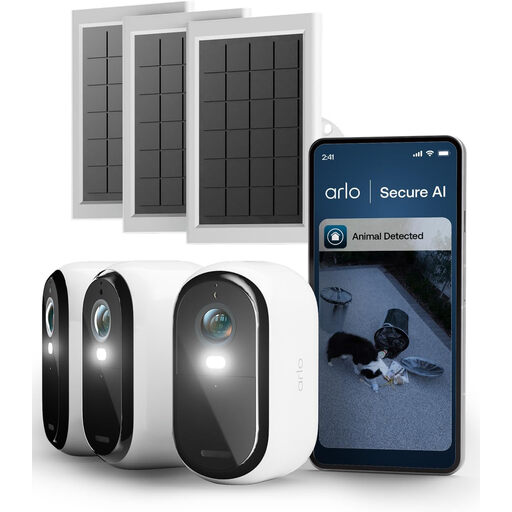
Why we chose it: This outdoor solar security camera kit is a turnkey solution for securing multiple areas (entrance, garden, garage). The Arlo ecosystem is proven and reliable, with an app that is both powerful and user-friendly.
Each camera has its own solar panel, ensuring efficient recharging and avoiding the trap of overestimated battery life. The colour night vision (via spotlight) ensures perfectly clear images, even in the middle of the night.
2K resolution, 130° angle, and smart detection (people, vehicles, animals) via the Arlo Secure subscription (trial included) to ensure you only receive relevant alerts.
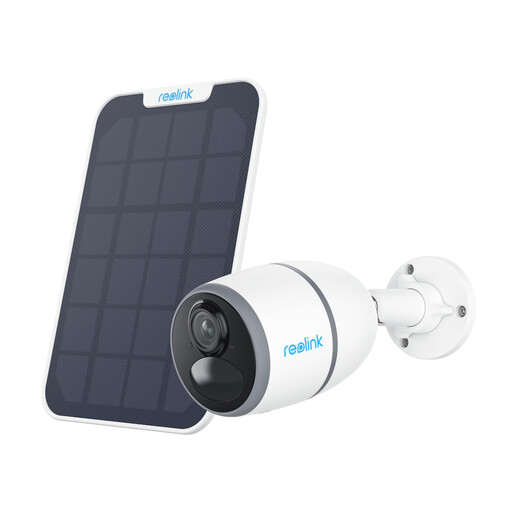
Why we chose it: This is the perfect solution for monitoring a location without internet access. This 4G solar camera is completely autonomous and only needs sunlight and a mobile signal to operate.
It avoids the mandatory subscription trap by offering local storage on a microSD card (not included). This gives you control over your recordings without hidden monthly fees.
3G/4G connectivity for complete independence from Wi-Fi. Smart detection of people and vehicles is built-in, with no extra subscription cost.
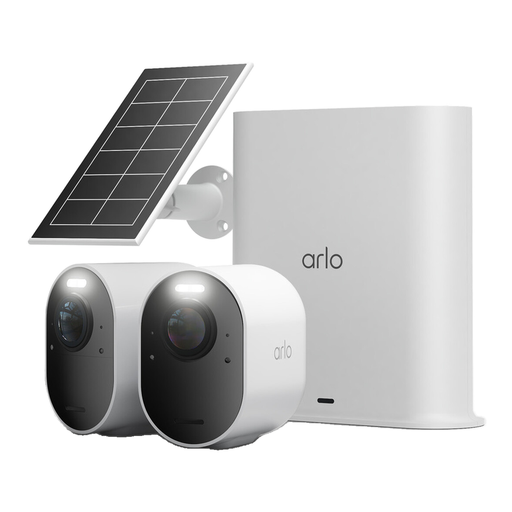
Why we chose it: For those who demand the absolute best in image quality. This 4K solar camera delivers exceptional clarity and advanced features like automatic subject tracking.
The 4K HDR resolution and advanced colour night vision put an end to unusable nighttime footage. The 180° panoramic viewing angle covers a maximum field of view, leaving no blind spots.
4K video quality with 12x zoom and automatic subject tracking. The dual microphone with wind noise reduction ensures clear conversations via two-way audio.
Explore our full selection of products, rigorously chosen by our experts for their reliability and performance.
Absolutely. A good model is designed to work even in low-light conditions. The solar panel doesn't need direct sunlight to generate power, although its output is naturally lower. The built-in battery then takes over on sunless days and at night. A well-sized system (battery + panel) will get through the winter without issue in most regions.
The lifespan depends on the longevity of its two key components: the battery and the solar panel. The lithium-ion batteries used in these cameras typically last 3 to 5 years on average, or a certain number of charge cycles. The solar panel, on the other hand, is much more durable and can operate for over 10 years with very little loss of efficiency over time.
No, it's not mandatory. Most cameras provide the essentials without a subscription, such as live viewing and motion alerts. Some, like the Reolink model featured, allow for local storage on a microSD card. However, advanced features (AI detection, extended cloud storage, custom activity zones) are often reserved for paid plans. Our advice: always check what's included by default before you check out.