
Livraison le jour même ou le lendemain

Qualité garantie

Débloquez vos offres de bienvenue: Livraison GRATUITE | Jusqu'à -80 % | 30 jours d'essai gratuits à JoyPlus
Téléchargez l'application
The solar-powered outdoor security camera promises a hassle-free installation: no cables to run, a quick setup, and near-total autonomy. On paper, it's the ideal solution. But be warned—the market is flooded with models that have flattering spec sheets, which can hide serious limitations. As a product specialist at Joybuy, my role is to guide you through this jungle to make a truly informed choice that meets your needs.
Before you take the plunge, let's review the three most common pitfalls that too often turn a promising purchase into a real headache.
To avoid these pitfalls, here are the technical specifications that will make all the difference in your day-to-day use.
A pixelated image is useless: it's impossible to identify a face or read a license plate.
Autonomy isn't just about the battery's mAh capacity. It's all about the synergy with the solar panel.
Instead of an endless catalogue, here are three solutions that meet specific needs while adhering to the reliability criteria we've just outlined.
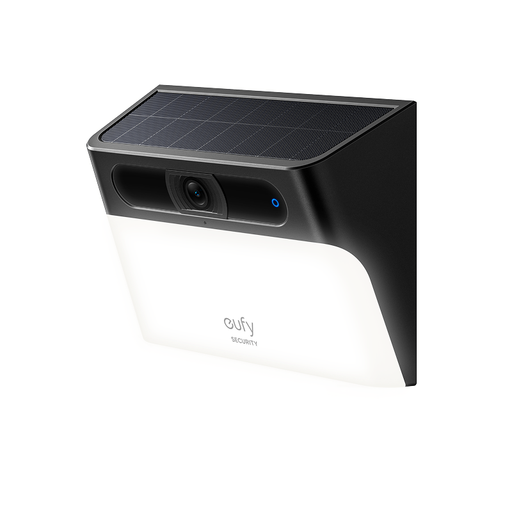
The profile: Perfect for securing an entryway, patio, or driveway. This model combines a 300-lumen wall light, which activates upon motion detection, with a 2K camera. It's an all-in-one solution that's ultra-simple to install and highly effective as a deterrent.
Its free internal storage records up to 60 days of events, freeing you from any subscription. The solar panel is well-sized for its dual function (light + camera), and the onboard AI effectively filters out false alerts.
Dual light and camera function; Ultra-simple installation; 2K colour night vision; Zero monthly fees.
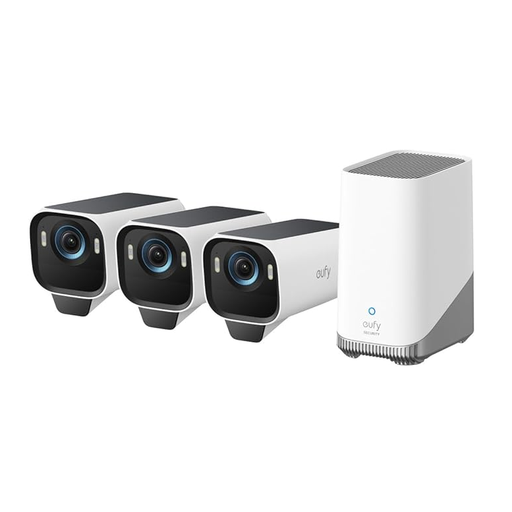
The profile: For discerning homeowners who want complete property coverage with the best possible image quality. This kit includes three 4K cameras and a HomeBase 3 station, the true brain of the system that centralises storage and artificial intelligence.
The HomeBase 3 includes 16 GB of storage, expandable up to 16 TB, ensuring a future-proof, subscription-free solution. Its BionicMind AI with facial recognition delivers alerts with surgical precision, while the solar technology ensures reliable power.
Stunning 4K image quality; Massive and expandable local storage; AI with facial recognition; MaxColor colour night vision.
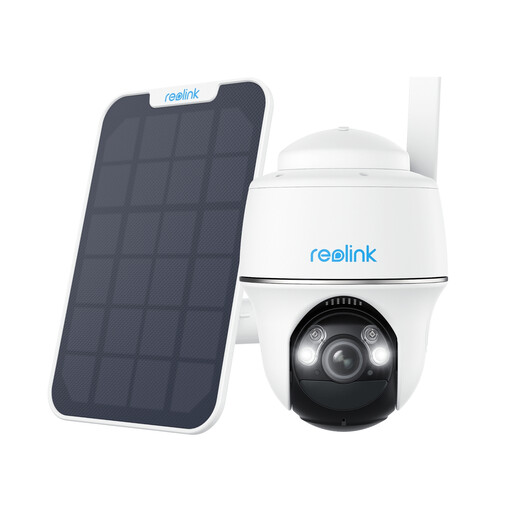
The profile: This is THE solution for locations without Wi-Fi or a power outlet: a remote holiday home, a construction site, a farm shed, or even a moored boat. It operates with complete autonomy thanks to a 4G SIM card and its dedicated solar panel.
By design, this model bypasses the need for Wi-Fi. It records everything locally to a microSD card, giving you full control over your videos without relying on a paid cloud service.
Standalone 4G LTE connectivity; 360° Pan & Tilt motorisation to cover all angles; Smart detection (people/vehicles); Solar panel included.
We have curated a complete selection of cameras that meet these reliability criteria and comply with current regulations.
Yes, a good model is designed to keep working even with low sunlight. Its internal battery stores energy during sunny hours to take over at night and on overcast days. The actual autonomy will depend on the battery/panel combination. For peace of mind, choose a model with a high-capacity battery and a solar panel of at least 3 to 5 watts.
A wireless outdoor security camera with Wi-Fi simply connects to your home's internet router. It's perfect for monitoring the perimeter of your house. A 4G solar camera, on the other hand, is 100% self-sufficient. It uses the mobile network via a SIM card (like a smartphone) to transmit images and alerts. It's the essential solution for any location without electricity or an internet router.
Absolutely not, provided you choose the right equipment. Most quality models offer local recording on a microSD card that you insert directly into the camera. More comprehensive systems, like kits with a HomeBase, centralise recordings on internal storage. In both cases, these local storage solutions completely free you from a paid monthly subscription.