
Livraison le jour même ou le lendemain

Qualité garantie

Débloquez vos offres de bienvenue: Livraison GRATUITE | Jusqu'à -80 % | 30 jours d'essai gratuits à JoyPlus
Téléchargez l'application
By our product expert, Joybuy – Published July 20, 2026
Securing a second home, construction site, or farm is often a major challenge without access to power and Wi-Fi. Are you looking for a reliable, easy-to-install surveillance solution that you can access remotely, completely free from these constraints? The solar-powered 4G security camera emerges as the ideal solution.
This guide breaks down the essential criteria and reviews the best models on the market to help you make the right choice.
Before diving into our top picks, let's review the key points to check to ensure your future camera is a perfect fit for your needs and location.
Their main advantage is, of course, their complete independence from Wi-Fi. Thanks to a SIM card, a Wi-Fi-free security camera uses the mobile network to send you images and alerts in real time.
For a standalone outdoor 4G camera, a flawless power supply is non-negotiable. Its autonomy relies on a winning combination:
For surveillance to be truly effective, it relies on several technical features that should not be overlooked:
Now for our selection of models with a proven track record for monitoring remote sites, whether it's a second home or a construction site.
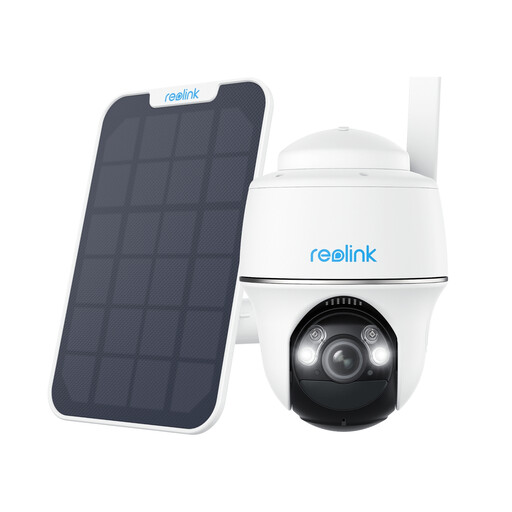
What sets it apart: The Reolink G430 is a true Swiss Army knife: 4G, solar panel, motorization... It checks all the boxes for complete and flexible surveillance, even in the most remote areas.
Highlights:
Best for? Perfect for monitoring large areas like a farm, a large property, or a construction site. Its motorization allows you to track activity or inspect different points of interest remotely with a simple swipe on the app.
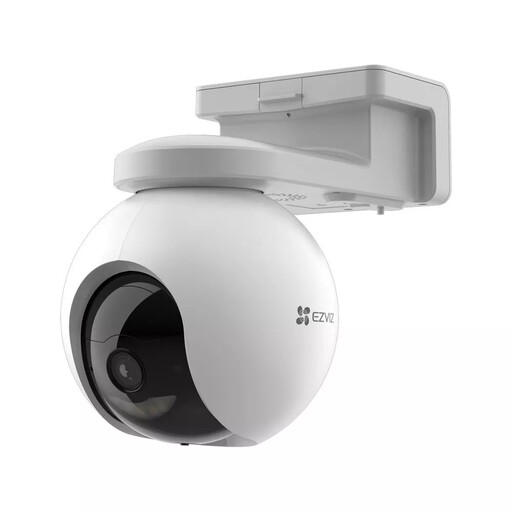
Its standout feature: The EZVIZ EB8 4G is all about endurance and deterrence. With its extra-large battery, built-in GPS, and active defense features, it's designed for those who want maximum peace of mind.
Highlights:
Best for? The ideal choice for those who demand maximum battery life and proactive surveillance. Its GPS is a real bonus for a 4G construction site camera, which is often moved around.
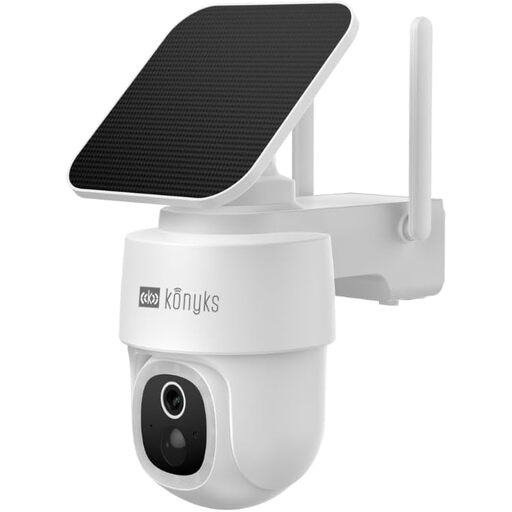
The Wi-Fi Alternative: This model addresses a different scenario: you have Wi-Fi, but no power outlet nearby. It combines the autonomy of solar power with a standard Wi-Fi connection.
Note: This model operates on Wi-Fi (2.4 GHz), not 4G.
Highlights:
Best for? Perfect for monitoring a corner of the yard, a shed, or an entryway that is covered by your Wi-Fi network but out of reach of a wired power source.
If your goal is less about security and more about observing wildlife in nature, another category of products might interest you: trail cameras. Specially designed to blend into the environment, these devices are triggered by the slightest movement and offer months of battery life to capture wildlife without disturbing it.
Discover our selection of the best trail cameras to capture nature discreetly.
You will need a SIM card (Nano or Micro format, depending on the model) with a mobile data plan. Carriers like AT&T, T-Mobile, or Verizon offer suitable, often no-contract plans. The most important thing is to choose a carrier with good 4G coverage at the camera's precise location. Be sure to check the carrier's coverage map before committing.
Yes, but expect reduced battery performance. In winter, sunlight is weaker and days are shorter, so the battery recharges more slowly. To optimize charging, point the panel directly south and make sure it is not covered by snow. In this context, a large-capacity battery is a definite advantage.
The camera itself operates without a subscription from the manufacturer for its essential features (live view, alerts, local recording). However, a mobile data plan from a carrier (AT&T, Verizon, etc.) is required. This is what allows the SIM card to connect to the 4G network to transmit images and notifications to you. Note that most manufacturers also offer an optional paid subscription to store recordings in the cloud.