
Livraison le jour même ou le lendemain

Qualité garantie

Débloquez vos offres de bienvenue: Livraison GRATUITE | Jusqu'à -80 % | 30 jours d'essai gratuits à JoyPlus
Téléchargez l'application
Solar garden lighting: the promise is appealing. Simple, cost-effective, eco-friendly. Yet, who hasn't been disappointed by a dim string of lights or a beacon that's rusted after just one summer? Weak brightness, ridiculous battery life on cloudy days, or premature wear and tear are common letdowns. To avoid buyer's remorse, you need to learn how to decipher labels and sidestep marketing traps. We'll break it all down for you.
As product experts at Joybuy, our mission is to test and select the very best for you. Here are the essential points to watch out for to ensure a successful purchase.
A price that seems too good to be true often hides design flaws that will render the light useless after a single season.
To be confident in your choice, focus on these three specifications. They are objective and foolproof.
This international standard classifies a device's resistance to dust (first digit) and water (second digit).
The colour temperature, measured in Kelvins (K), will define the entire mood of your outdoor space.
Rather than a random list, we've selected products that meet specific needs and our durability criteria.
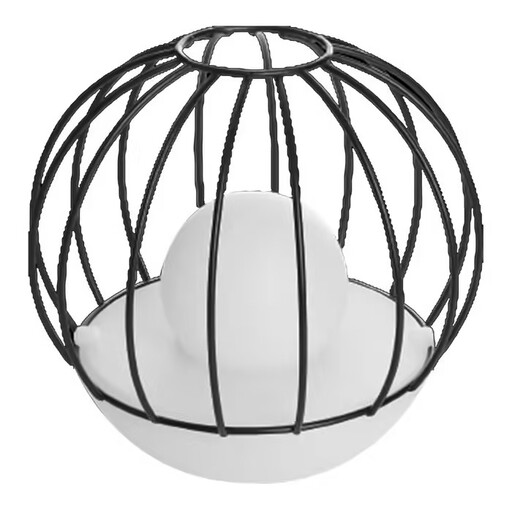
Its strong suit: It's the perfect item for those who want a decorative touch as much as an accent light. Its metal cage design adds a touch of elegance to a patio, flowerbed, or garden table, day or night.
Its purpose is clear: to create ambiance, not to light up the area like it's daytime. It thus avoids the trap of unfulfilled power promises. Its robust design is built to last outdoors.
Zero wires, zero installation. Just place it, and you're done. Its integrated solar panel makes it 100% self-sufficient.
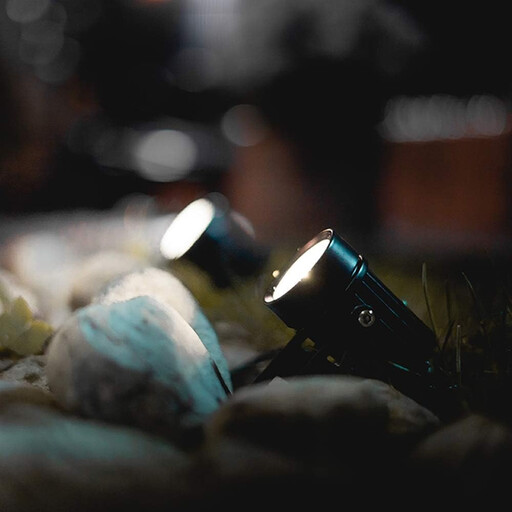
Its strong suit: Essential for highlighting a beautiful tree, a facade, or for safely marking a pathway. The multiple, adjustable heads offer great freedom for customisation.
Thanks to its remote panel, you can place it where the sun is strongest, ensuring an optimal charge and avoiding the low-battery-life trap. The light beam is focused for effective illumination.
Modularity. Each spot is independent, allowing you to sculpt a custom landscape lighting design.
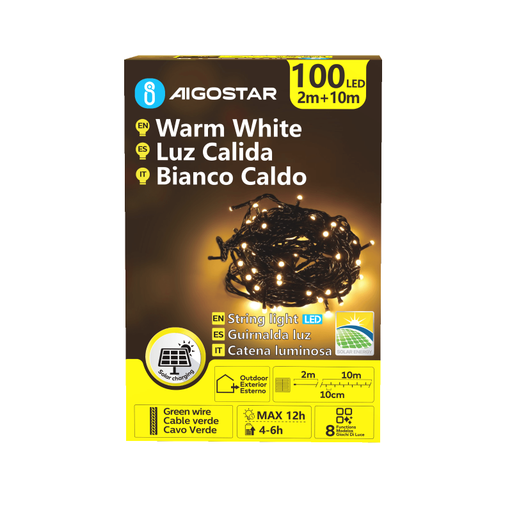
Its strong suit: Its 10 metres and 100 LEDs can instantly dress up a pergola, a large balcony, or transform the garden for an impromptu party. Its warm light is perfect for long summer evenings.
Certified IP65, it fears neither downpours nor dust. Goodbye to the false waterproofing trap. The battery capacity (800 mAh) is clearly stated, a sign of transparency.
Its 8 lighting modes let you switch from a soft glow to a festive twinkle in the blink of an eye.
Discover our full selection of products that meet our quality charter and safety standards.
Yes, but their battery life will be reduced. A solar panel needs light (photons), not heat, to charge. Naturally, with shorter days and often overcast skies, charging will be less effective. To optimise performance, point the panel due south and make sure it isn't covered by leaves or snow.
It depends on two components: the battery and the LEDs. The LEDs have a virtually unlimited lifespan (over 50,000 hours). It's the rechargeable battery that will wear out first. A quality battery will typically last 2 to 3 years before showing signs of weakening. On some models, it can be replaced.
It's very simple. The most important thing is to regularly clean the surface of the solar panel with a soft, damp cloth. Dust, pollen, or bird droppings can significantly reduce its efficiency. In winter, a quick sweep with a brush to remove snow is all it takes.
By the Joybuy editorial team, experts in high-tech and home productsUpdated August 26, 2026