
Livraison le jour même ou le lendemain

Qualité garantie

Débloquez vos offres de bienvenue: Livraison GRATUITE | Jusqu'à -80 % | 30 jours d'essai gratuits à JoyPlus
Téléchargez l'application
On paper, the solar garden light seems like the perfect solution: eco-friendly, cost-effective, and incredibly easy to install. In reality, however, many users are quickly disappointed by products that fail after a single season or struggle to stay lit for more than a few hours. To help you avoid a bad surprise and make the right choice, we're breaking down the pitfalls to avoid and the essential criteria to check before you buy.
The outdoor solar lamp market is full of promises that fall short. Here's a rundown of the most common disappointments.
To guarantee the performance and durability of your solar garden lighting, three technical parameters must be carefully examined.
A protection rating, like the IP65 standard, is an essential first benchmark. It certifies that the product is completely protected against dust and resistant to water jets. But be warned, this standard isn't the whole story. The quality of the materials is just as crucial. Therefore, prioritise models made from ABS (Acrylonitrile Butadiene Styrene) plastic, known for its robustness and resistance to shocks and weather, or stainless steel to prevent rust. Well-fitted silicone seals are also an excellent sign of longevity.
A solar lamp's battery life depends on an inseparable duo:
Design isn't just a matter of aesthetics. A solar lamp with a floral pattern, for example, is designed to create luminous garden decor and a soft ambiance, while a more directional spotlight will be perfect for securing a walkway or highlighting a tree. The shape of the lamp influences not only the light diffusion but also its ease of maintenance (think about cleaning the solar panel!).
Rather than a random list, we have selected models that meet specific needs, all while checking the boxes for our durability and performance criteria.
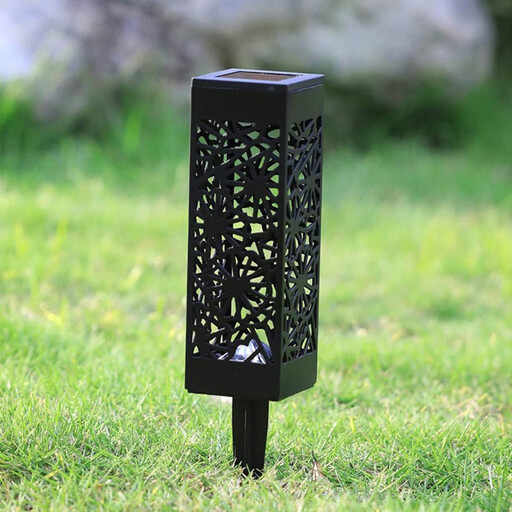
Why this model stands out: This pack of 6 solar lights is ideal for those who want to mark a pathway or decorate a flowerbed with a touch of originality, without breaking the bank.
Its IP65 certification and ABS plastic shell ensure good resistance to rain and wear, thus avoiding the false waterproofing pitfall.
Its hollow-carved design projects an elegant floral pattern onto the ground. The aesthetic result is far more refined than that of classic stakes, especially at this price point.
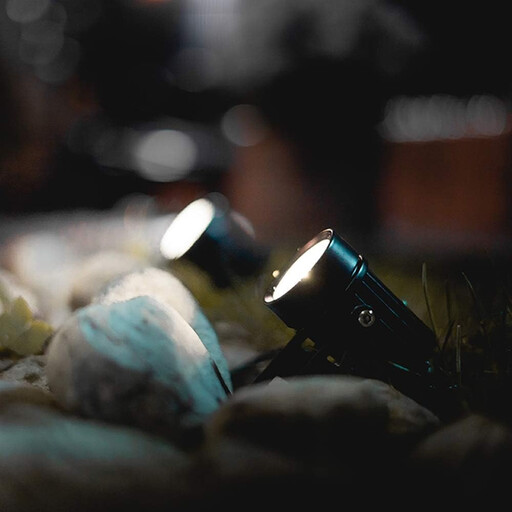
Why this model stands out: Perfect for highlighting specific garden features (trees, facades, flowerbeds) thanks to its powerful and adjustable spotlights.
Its remote solar panel is the key: you can place it in direct sunlight while the spotlights remain in the shade. This optimises charging, helping to avoid the disappointing battery life pitfall.
Its multiple adjustable spotlight heads offer impressive versatility to sculpt your garden's nightscape. A level of flexibility impossible to achieve with a classic stake light.
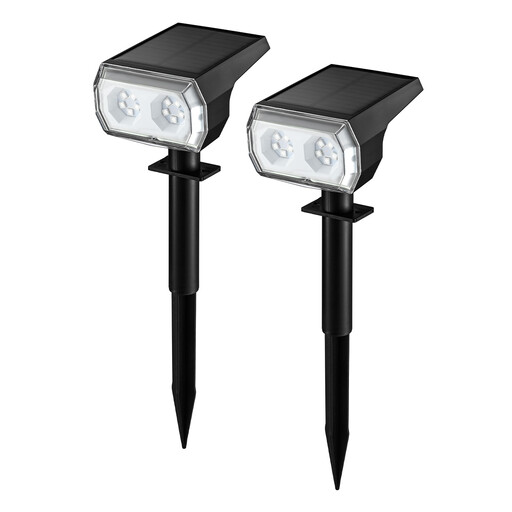
Why this model stands out: The perfect companion for those who love outdoor entertaining or creating themed decorations for parties. It brings a dynamic and festive touch of colour to the garden.
Made from robust ABS with a waterproof structure, it's built to withstand the elements and prevent premature failure. Its colour modes provide real added value, far beyond simple lighting.
The RGB function allows you to change the lighting colour to suit your mood or the event. The result: fully customisable luminous garden decor.
We have put together a complete selection of products that meet our demanding selection criteria and current safety standards.
It all depends on its components. While LEDs have a nearly unlimited lifespan (often over 50,000 hours), the weakest link is the battery. It loses capacity after 2 to 3 years on average. Fortunately, it is often replaceable on quality models.
Yes, but their performance is logically reduced. With shorter days and less generous sunlight, the solar panel struggles more to recharge the battery. The battery life will therefore be shorter than in summer. This is why it's important to choose a model with a high-performance panel and a high-capacity battery.
Maintenance is minimal but crucial. Remember to regularly clean the surface of the solar panel with a soft, damp cloth. Dust, pollen, or bird droppings can reduce its efficiency. In winter, in regions with very little sun, don't hesitate to bring them indoors to preserve the battery.