
Livraison le jour même ou le lendemain

Qualité garantie

Débloquez vos offres de bienvenue: Livraison GRATUITE | Jusqu'à -80 % | 30 jours d'essai gratuits à JoyPlus
Téléchargez l'application
Lighting up your garden or patio with an eco-friendly and cost-effective solution is a tempting idea. A well-chosen solar garden light can transform an outdoor space, mark a pathway, or even enhance security, all without increasing your electricity bill. The only problem is that the market is flooded with products making tempting promises, but their quality often leaves much to be desired. To help you make an informed decision, we've broken down the most common pitfalls and the essential criteria to check before you buy.
Too many buyers end up with lights that fail after just one season. Here's why, and more importantly, how to avoid falling into the same trap.
For a successful purchase, focus on a few key technical specifications. These are what truly determine the performance and longevity of your solar garden lighting.
This rating is crucial for a device that will stay outdoors all year. It consists of two digits:
For a wireless solar light meant to stay outside year-round, aim for a minimum rating of IP65. This guarantees total protection against dust and powerful water jets, ensuring it works properly even after heavy rain. An IP66 rating or higher offers even better resistance, ideal for the most exposed installations.
Your light's battery life depends entirely on this duo.
Never underestimate the quality of construction. A solar bollard light made of stainless steel or ABS plastic will withstand weather and impacts much better than a budget plastic model. For the diffuser, glass ensures lasting clarity and a touch of elegance, while quality plastics (like polycarbonate) will better absorb shocks.
Rather than looking for a one-size-fits-all model, it's better to choose a light tailored to a specific need. Here are a few suggestions for different scenarios.
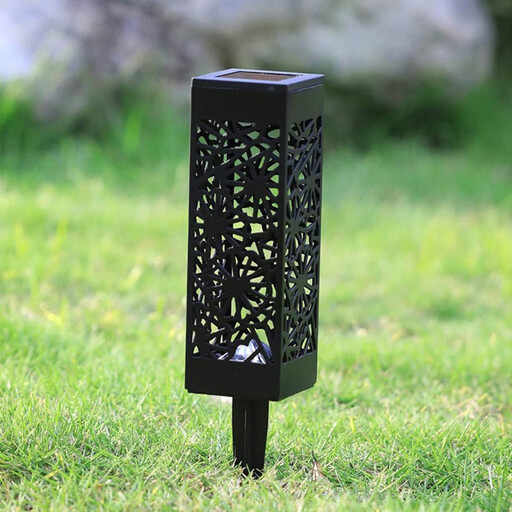
Why this model stands out: Perfect for those who prioritise aesthetics. This decorative solar light, sold in a pack of 6, allows you to create a luminous path or dress up a flowerbed affordably. Installation is a breeze.
With its IP65 rating, it's ready to face the elements. Its ABS plastic body, more robust than entry-level plastics, prevents premature breakage.
Its hollow-carved shade projects elegant floral patterns onto the ground, a unique aesthetic touch that sets it apart from basic models.

Why this model stands out: Ideal for marking a driveway or a busy path with an ultra-durable solution. Its flat, robust design is built to last.
It sidesteps the pitfalls of fragility and waterproofing thanks to its drive-over design (it can withstand the weight of a tyre) and its IP66 rating. Its Lithium battery ensures superior battery life.
Its exceptional durability and low profile allow for a discreet and safe in-ground installation, without the risk of tripping over it or damaging it.
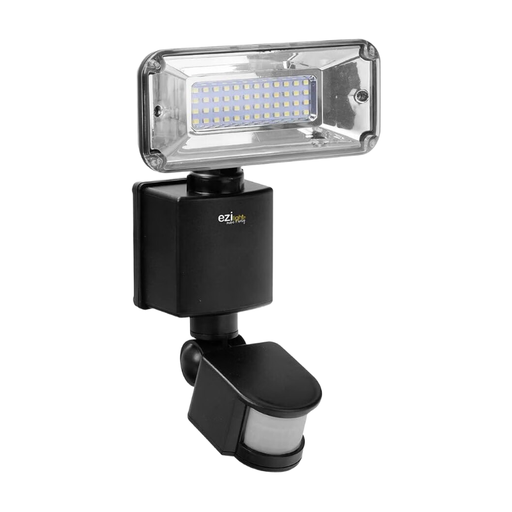
Why this model stands out: This outdoor solar spotlight is built for security. It's perfect for lighting up an entrance, a garage, or a dark area of the garden as soon as motion is detected.
It doesn't promise continuous light, but a powerful flash on demand, which preserves its battery. Its robust design is built for security, not just decoration.
Its integrated motion detector triggers a powerful, deterring light at just the right moment, optimising battery life while enhancing security.
Explore our complete, up-to-date selection of products that meet our strict selection criteria and current safety standards.
It mainly depends on two components. The rechargeable battery, the first part to show signs of wear, has a lifespan of 2 to 4 years depending on its quality and usage. The good news is that it's often replaceable. The LED, on the other hand, is extremely durable and frequently exceeds 10,000 hours of use.
Yes, but with logically reduced performance. A modern solar garden light will continue to charge on an overcast day, but much more slowly. The runtime in the evening will therefore be shorter than after a sunny summer day. To optimise charging in winter, make sure the solar panel is well-positioned, clean, and not covered by leaves or snow.
Maintenance is minimal, but crucial. It simply involves regularly cleaning the surface of the solar panel with a soft, damp cloth. Dust, pollen, or bird droppings can indeed reduce its charging efficiency. Apart from this simple step, these lights are designed to be completely autonomous.