
Livraison le jour même ou le lendemain

Qualité garantie

Débloquez vos offres de bienvenue: Livraison GRATUITE | Jusqu'à -80 % | 30 jours d'essai gratuits à JoyPlus
Téléchargez l'application
On paper, solar garden lighting has it all: no cables to run, no increase in your electricity bill, and it's a win for the planet. Yet, the market is flooded with products offering wildly inconsistent performance. It's all too easy to end up with lights that give up the ghost after a few downpours or that barely last through cocktail hour.
As the Head of Product Recommendations at Joybuy, I'm here to help you see things more clearly. Let's cut through the marketing jargon and get straight to the facts. Here are the three most common pitfalls to avoid and the criteria that truly matter for a successful purchase.
To avoid falling into these traps, you just need to check three technical specifications. They are the best indicators of the quality and durability of your future outdoor solar light.
The IP rating is an international standard that classifies a device's level of protection against solids (dust) and liquids (water). It's the most objective criterion for assessing the resilience of outdoor lighting.
solar garden post light or a powerful solar spotlight with an IP65 rating or higher is a true guarantee of longevity.The battery life of a solar light depends on the balance between its battery's capacity (expressed in milliampere-hours, mAh) and its solar panel's efficiency.
The lifespan of your patio lighting is directly linked to the quality of its materials.
There's a solution for every garden. Here is our selection, designed for different uses and validated against the quality criteria we've just reviewed.
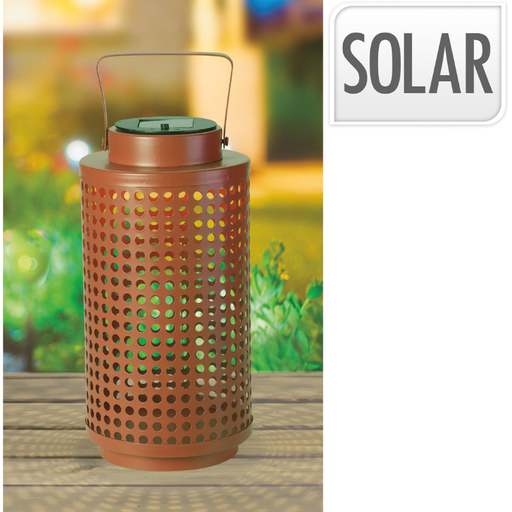
Why we chose it: Ideal for creating a soft, welcoming atmosphere. Placed on a patio table, a low wall, or hung up, this solar lantern is a decorative object in its own right. It casts a warm light, perfect for long summer evenings.
Its sturdy metal structure protects it from the rapid degradation that low-end plastic models suffer from. It's designed to last for more than just one season.
It combines modern aesthetics with wireless functionality. Its warm white light creates an intimate atmosphere, perfect for a relaxation corner.
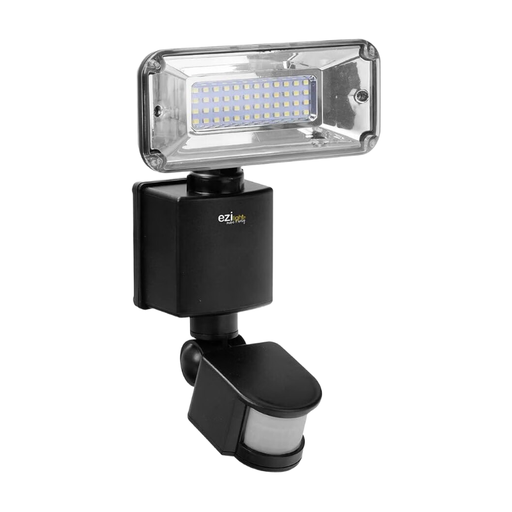
Why we chose it: Perfect for securing an entrance, a garage driveway, or a dark pathway. This powerful solar spotlight only turns on when it detects motion, making it both a deterrent and highly energy-efficient.
Its smart motion detector bypasses the false promise of battery life. By only activating when needed, it conserves its battery to function all night, even after a less sunny day.
Its adjustable head allows you to direct the light beam with precision, and its robust construction is designed to withstand the worst weather conditions.

Why we chose it: Ideal for marking a garden path or a driveway. Its flat, ultra-robust design allows it to be embedded in the ground and withstand heavy pressure, including being driven over by a car.
It sidesteps both the waterproofing and fragility pitfalls. Its IP66 rating makes it completely dust-tight and resistant to powerful water jets, while its structure is designed to withstand high mechanical stress.
Its exceptional durability and discreet, flush-to-the-ground installation. It provides safe and modern pathway marking without the risk of breakage associated with post lights.
Whether you're looking for a solar string light for a festive atmosphere or a solar torch light for a decorative effect, the right move is to always check these few technical points before finalising your choice.
Discover our complete selection of products that tick all the boxes on our checklist and comply with current safety standards.
How long do solar garden lights last? The lifespan depends on two main components: the LED and the battery. LEDs have a very long life (often over 20,000 hours). It's the rechargeable battery that will wear out first. On a quality model, it can last 2 to 4 years before its capacity noticeably decreases. The good news is that on many models, it can be replaced.
Will my solar lights work in winter or on cloudy days? Yes, but with reduced performance. Modern solar panels can charge even in low light, but the accumulated energy will be much less than on a sunny day. Therefore, expect shorter runtimes during the winter months or long periods of grey weather.
How do I maintain my solar lights to optimise their performance? Maintenance is simple but crucial. Remember to regularly clean the surface of the solar panel with a soft, damp cloth. Dust, pollen, or leaves can reduce its charging efficiency. Finally, ensure the lights are well-positioned in a spot that receives maximum direct sunlight during the day.