
Livraison le jour même ou le lendemain

Qualité garantie

Débloquez vos offres de bienvenue: Livraison GRATUITE | Jusqu'à -80 % | 30 jours d'essai gratuits à JoyPlus
Téléchargez l'application
An illuminated garden with no need to worry about cables or the electricity bill? The idea is appealing. However, buying a solar garden light can quickly lead to disappointment. Dim lighting, a battery that dies before dinner is over, a unit that stops working after the first downpour... these frustrations are all too common.
As the Head of Product Curation at Joybuy, my mission is to help you make a clear choice. Let's forget the marketing jargon and focus on the essential criteria for making a truly informed decision. Here are the 3 most common pitfalls and our tips for avoiding them.
To avoid falling into these traps, simply focus on a few key technical specifications. These are the true indicators of the performance and durability of your future wireless solar light.
A solar light's runtime depends on its ability to capture and store energy. Two components require close inspection:
The lumen (lm) is the unit of measurement for luminous flux. Simply put, it determines whether your light will produce a soft ambient glow or illumination worthy of the name.
The Ingress Protection (IP) rating is an international standard that assesses a device's resistance to solid objects (like dust) and liquids (like water). For outdoor use, this is a non-negotiable criterion.
To put theory into practice, here are a few models that perfectly illustrate these criteria, each designed for a specific need.
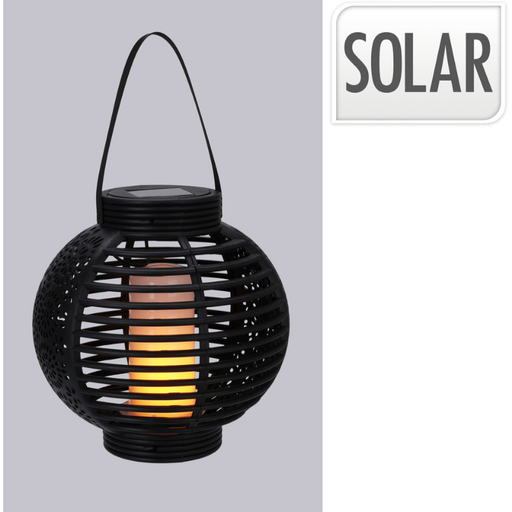
Why we chose it: Perfect for those who prioritise style and want to create a warm atmosphere on a patio, balcony, or in a corner of the garden. Its purpose is to provide an aesthetic touch rather than functional lighting.
It doesn't promise ultra-powerful illumination. Its 12 LEDs are designed for a "warm ambience," thus avoiding any disappointment with low brightness, as that is precisely its purpose.
Its modern cube design with engraved patterns makes it a true decorative object, day or night. Installation is instant: just set it down, and it works.
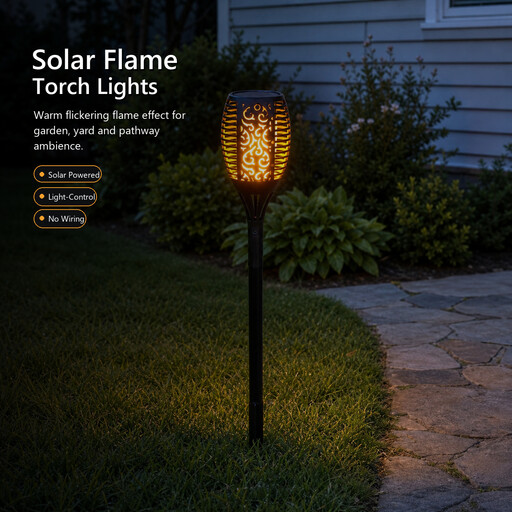
Why we chose it: Perfect for those who want to mark a pathway, a flowerbed, or the edge of a pool with a touch of originality. The dancing flame effect creates a light path that is both spectacular and welcoming.
It avoids the durability trap thanks to its IP65 protection rating, which guarantees its resistance to the heaviest downpours. The flame effect is an aesthetic choice that doesn't try to compete with a floodlight.
The flickering flame effect, generated by 96 LEDs, is remarkably realistic and creates a unique atmosphere. Installation is a breeze—simply stake it into the ground.
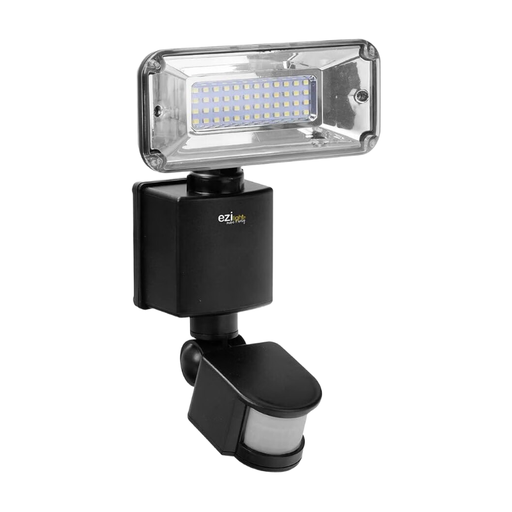
Why we chose it: Designed for those who need powerful, deterrent lighting. Ideal for securing an entrance, a garage, or a dark area of the garden. Here, function takes priority over form.
It tackles the pitfalls of battery life and low brightness head-on. Its motion sensor only activates full power when needed, thereby conserving the battery. This is a genuine powerful solar spotlight.
Its adjustable head allows you to aim the light beam with high precision. Its robust design and waterproofing ensure reliable operation throughout the year.
To discover other products that tick all the boxes for performance and durability, explore our complete selection.
The lifespan depends on two key components. The LED itself has an exceptional longevity, often exceeding 25,000 hours. The weak link is usually the rechargeable battery, which loses capacity over charge cycles. Generally, you can expect to replace it every 2 to 3 years to restore optimal performance. The quality of the panel and construction materials is also crucial for overall durability.
Yes, outdoor solar lighting is designed to work year-round. Naturally, performance will be reduced during the short, less sunny days of winter. The solar panel continues to capture ambient light, but since charging is slower, the nightly runtime will inevitably be shorter. To optimise charging, ensure the panel is always clean and well-positioned (ideally facing south), without being obstructed by shade.
Maintenance is virtually non-existent, which is one of the major advantages of this technology. The only important task is to regularly clean the surface of the solar panel with a soft, damp cloth. Dust, pollen, or dead leaves can reduce its efficiency. A quick wipe once per season is usually enough to ensure maximum performance.