
Livraison le jour même ou le lendemain

Qualité garantie

Débloquez vos offres de bienvenue: Livraison GRATUITE | Jusqu'à -80 % | 30 jours d'essai gratuits à JoyPlus
Téléchargez l'application
Soju has quietly established itself as a must-try beverage for fans of Korean culture and those curious about new flavours. With a growing number of options available, it can be difficult to navigate the market and make an informed choice, beyond the marketing hype. As a Product Recommendation Officer at Joybuy, my role is to provide you with clear, practical guidance to help you select the product that truly meets your expectations, whether you're looking to buy soju for the first time or explore new varieties.
Before you pick a bottle, a few simple concepts can help you better understand what you're buying. Here are three objective criteria to guide you.
An authentic Korean soju is produced in South Korea. This is a primary guarantee that traditional production methods have been followed. Next, the alcohol content is a key indicator. Original soju typically ranges from 16% to 21% ABV, offering a cleaner taste and an ideal base for cocktails. Flavoured soju versions often have a lower alcohol content, around 12%, making them lighter and more approachable.
The choice between a classic soju and a fruit-flavoured one depends entirely on the occasion and your personal preferences.
The price of soju generally remains affordable, which contributes to its popularity. A standard 350-360 ml bottle is often available within a reasonable price range. Variations depend on the brand, flavour, and import costs. A well-known brand like Chum Churum soju may have a different price point than a lesser-known brand.
To help you navigate the available options, here is a selection of products that stand out for their unique characteristics.
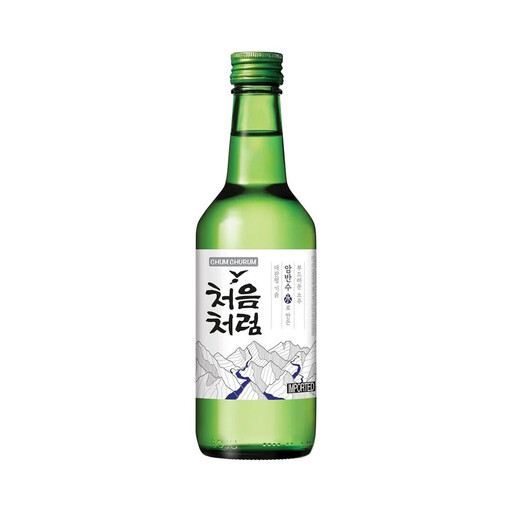
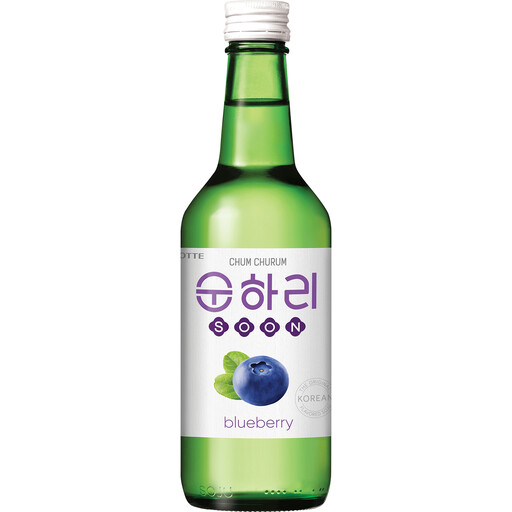
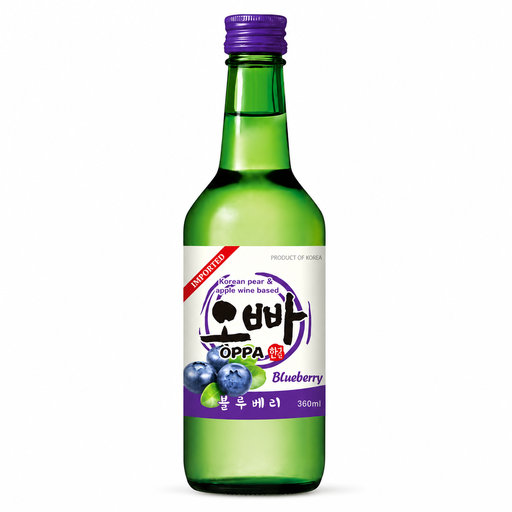
Soju is just one facet of the rich world of Korean beverages. Other soju flavours, as well as other spirits like makgeolli (sparkling rice wine) or cheongju (clarified rice wine), are also worth discovering. Each drink offers a different experience, tied to a specific history and culinary tradition.
To discover a wider range and continue your exploration, feel free to browse our Korean wine category.
Traditionally, soju is served chilled in small shot glasses and consumed neat, often alongside food. However, modern consumption methods are very diverse. It is common to mix it with beer (a cocktail called Somaek), soda, fruit juice, or use it as the main ingredient in soju cocktail recipes.
Although often confused by newcomers, soju and sake are two very different drinks. Soju is a distilled Korean spirit, typically made from rice, barley, or sweet potato. It is clear, with a rather neutral or flavoured taste. Sake, on the other hand, is a Japanese rice wine made by brewing (fermentation). Its production process is more similar to that of beer, and its flavour profile is generally more complex and less neutral than soju's.
The price of soju is one of its key advantages. In France, a 350 ml or 360 ml bottle typically costs between €3 and €7. This price can vary depending on the brand, the rarity of the flavour, and the retailer. This makes it a very accessible option for discovering a new world of flavours.
Alcohol abuse is dangerous for your health; please consume in moderation. The consumption of alcoholic beverages during pregnancy, even in small amounts, can have serious consequences for the child's health.