
Same-day & Next-day Delivery

Quality Guaranteed

Unlock Your Welcome Offers: FREE Delivery | Up to 80% OFF | Free 30-day JoyPlus trial
Download the APP
Soju, with its iconic little green bottles, has become a staple far beyond the world of K-dramas. Once a curiosity, this Korean spirit is now a fixture at social gatherings. But with the market exploding with options, it can be tough to navigate. Between the dozens of flavours and multiplying brands, how do you make the right choice and avoid falling for a bottle that's all marketing?
As the Head of Product Recommendations at Joybuy, I'm here to help you see things more clearly. To ensure you don't regret your purchase, here are the most common traps to avoid.
soju price can hide a rushed distillation process, resulting in a harsh and aggressive spirit on the palate, even in flavoured versions.To help you sort through the options, here are the key criteria to watch for before buying your soju online.
To make a good choice, you can't rely on the label alone. A few technical details can make all the difference between a great find and a disappointment.
Traditional soju is a clear spirit distilled from rice, barley, or sweet potatoes, typically with an ABV (Alcohol By Volume) between 20% and 45%. However, the majority of popular sojus today, especially the flavoured versions, are diluted spirits.
Chum Churum soju or other brands offer flavours like strawberry soju, grape soju, or yogurt soju. Their low alcohol content makes them smoother and more approachable, perfect for drinking neat or in a soju cocktail.Checking the alcohol content is therefore an excellent indicator of the style of soju you are about to enjoy.
The difference between a good and a bad fruit-flavoured soju often comes down to its ingredients. Be sure to check the ingredients list. The presence of "fruit juice" or "natural flavour" is generally a sign of higher quality compared to vague terms like "flavourings." A good product seeks to balance the fruit flavour with the alcohol base, not drown it in sugar.
To put theory into practice, here are a few bottles that suit different profiles, and why they stand out as great choices.
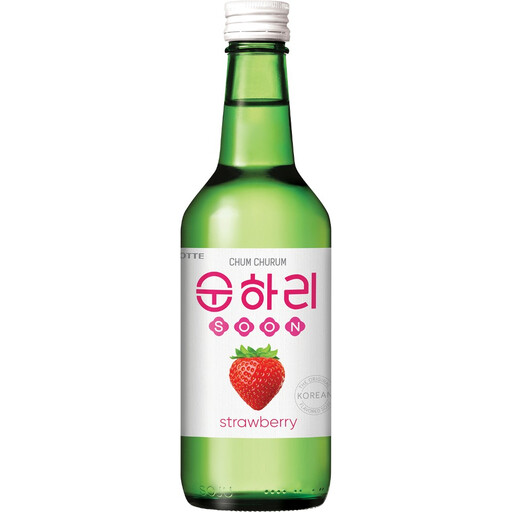
Why we chose it: Ideal for a first tasting. Strawberry is a crowd-pleasing flavour, and Chum Churum is a benchmark brand, guaranteeing consistent quality. It's the perfect gateway to understanding what a modern flavoured soju is all about.
This soju sidesteps the artificial flavour trap by offering a distinct strawberry taste and controlled sweetness, without the chemical aftertaste found in some low-end competitors.
A successful balance between fruit and alcohol, making it very pleasant to drink well-chilled, either on its own or in a simple cocktail with lemonade.
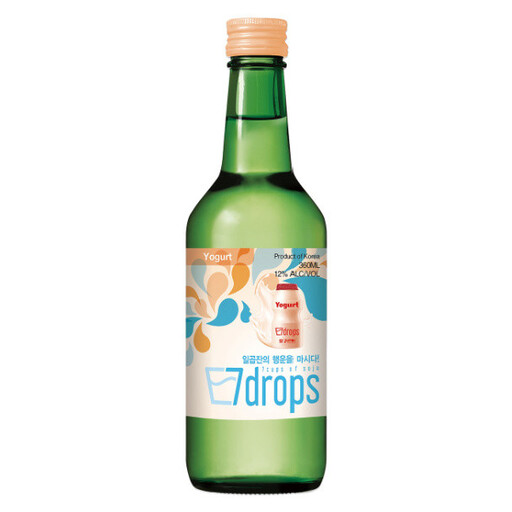
Why we chose it: For those who have already tried the classic fruit flavours and are looking to step off the beaten path. The creamy and tangy profile of yogurt soju is a unique experience, reminiscent of the popular yogurt drinks in Asia.
This product isn't just "sweet." It offers real complexity with its creamy and slightly tangy flavour, making it an interesting sipping drink, far more than a simple fruity alcohol.
A unique flavour profile that pairs surprisingly well with spicy dishes, as its creamy sweetness helps to cool the heat of the chilli.
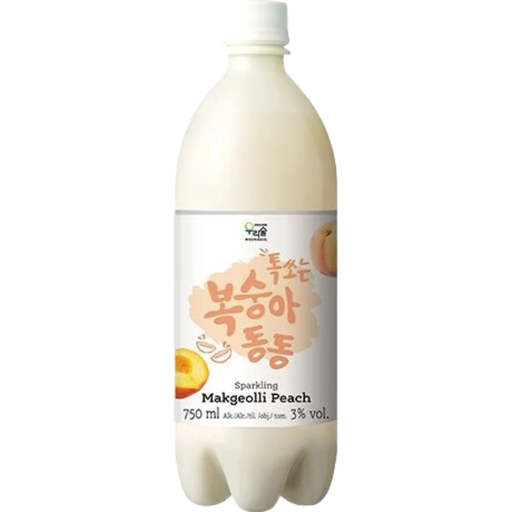
Why we chose it: For those who find even flavoured soju a bit too strong. Makgeolli is an excellent alternative. It's an unfiltered, slightly sparkling rice wine with a very low alcohol content (3% in this case). An ultra-refreshing and very smooth drink.
It clears up any confusion between soju and other Korean alcohols by fully embracing its identity as a makgeolli. Its fermented nature, milky texture, and low alcohol content are its strengths, not flaws.
Extremely refreshing and approachable. The peach flavour is perfectly integrated into the creamy, tangy base of the makgeolli. Ideal for a brunch or a light aperitif.
We have selected a full range of products for you that meet our quality standards.
The most traditional way is to serve it very cold in small shot glasses and drink it in one go with friends. Flavoured sojus are excellent served over ice or mixed with lemonade or sparkling water for a simple, thirst-quenching cocktail.
Soju is a clear, distilled spirit with a clean taste, ranging from 12% to over 20% ABV. Makgeolli is an unfiltered rice wine with a milky, cloudy appearance. It is fermented (not distilled), which gives it a lower alcohol content (typically 3-8%), a creamy texture, and a slightly sweet, tangy, and sometimes sparkling taste.
Thanks to its alcohol content, soju keeps very well. However, once the bottle is opened, the flavours (especially in the fruit versions) can fade. To enjoy it at its best, it's recommended to seal it tightly, keep it in the refrigerator, and consume it within a few weeks.