
Livraison le jour même ou le lendemain

Qualité garantie

Débloquez vos offres de bienvenue: Livraison GRATUITE | Jusqu'à -80 % | 30 jours d'essai gratuits à JoyPlus
Téléchargez l'application
Buying soft drinks online lets you compare sodas, fizzy drinks, iced teas, fruit juices and specialities from around the world in just a few clicks. But a well-presented product page isn’t always enough to make the right choice. Between the ‘sugar-free’ claims, family-sized formats and energy drinks, some essential details can easily slip under the radar.
Before you fill your basket, check three things: the actual sugar content, the size that suits your needs, and the storage instructions. These criteria help you avoid oversized purchases, cans forgotten at the back of a cupboard, and products that don’t fit your household’s habits.
A fruit juice or fruit drink may contain no added sugar yet still have a significant amount of naturally occurring fruit sugars. The nutritional information per 100ml is therefore the most reliable indicator.
Conversely, a ‘zero sugar’ drink usually contains sweeteners. It can be suitable for people watching their sugar intake, but the ingredients list and any warnings are worth a look. Some recipes, for example, contain aspartame and indicate the presence of a source of phenylalanine.
A pack of 24 cans of 330ml is nearly 8 litres. This format works well for a family, a café or an event, but you’ll need enough storage space. For occasional consumption, a smaller pack or an individual bottle is often more practical.
Also remember to compare the price per litre, rather than just the displayed price. That’s the best way to put a can, a 75cl bottle and a family-sized format on an equal footing.
Fruit drinks and juices often need to be kept in the fridge after opening and consumed within the time stated on the packaging. A can, a pouch and a resealable carton don’t have the same requirements. For a picnic, a trip or catering, individual portions are best if you plan to drink them quickly.
Read the information in this order:
An energy drink containing caffeine isn’t something you choose like a regular soda. A 250ml can of CIAO ENERGY, for example, states it contains caffeine from coffee beans and guarana extract. A 250ml can of Red Bull contains around 80mg of caffeine. You should consider these figures in relation to your age, your sensitivity and the time of day you plan to drink it.
Drinks in cans of 250 to 330ml are easy to serve at a meal or reception. 2-litre bottles reduce the amount of packaging, but you’ll need to have glasses ready and space in the fridge after opening.
For a business, caterer or event organiser, check:
Fans of classic flavours will go for lemon, mixed fruit or iced tea. Asian drinks and exotic drinks offer more adventurous profiles: lychee, soursop, nata de coco, watermelon or pineapple.
To accompany a meal, a fruity fizzy drink is best served chilled. For a drink on the go, a resealable pouch or small can is easier to carry. For a party, packs of the same product make serving and calculating quantities much simpler.
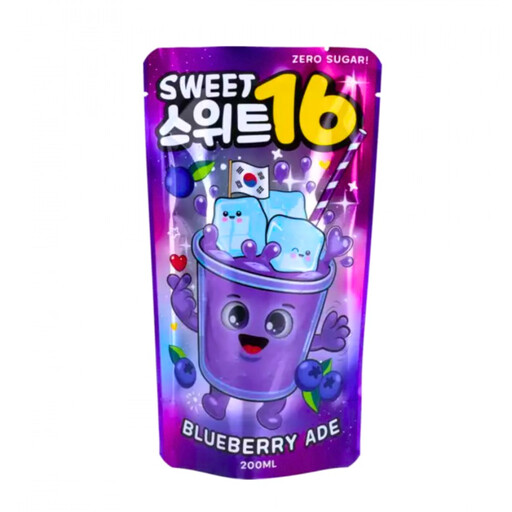
Why this suits this profile: At 200ml, this fruity Korean drink lets you give it a try without committing to a large volume.
The product page states 0g of sugar and around 1kcal per serving, while detailing the sweeteners and colourings used.
An individual format, a blueberry flavour and a simple preparation with ice cubes.
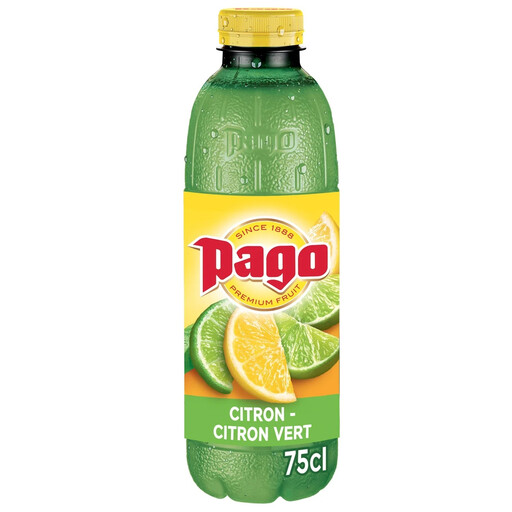
Why this suits this profile: Its 75cl bottle and lemon-lime blend fit perfectly at the dinner table or for serving by the glass.
The product page confirms it contains no colourings, artificial flavours, preservatives or sweeteners.
The recipe contains 8.5% lemon juice and 5% lime juice. Keep refrigerated after opening.
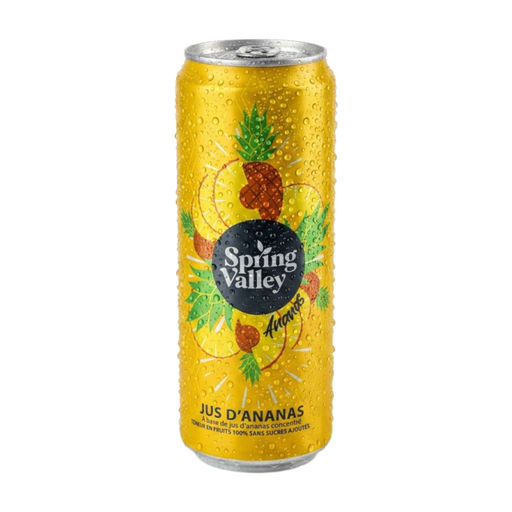
Why this suits this profile: With 24 cans, this pack is designed for restaurants, caterers, offices and family events.
The total volume is clearly stated: 24 × 330ml, which is 7.92 litres. That makes it easy to work out how much you need.
A pineapple flavour, slim cans and around 139kcal per can according to the nutritional information.
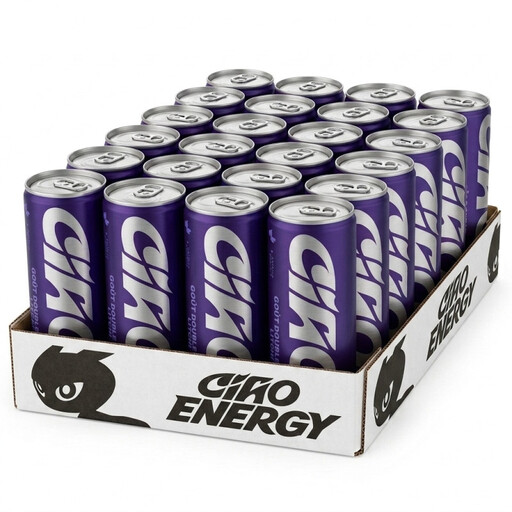
Why this suits this profile: Its small size and lychee flavour appeal to those looking for a change from classic energy drink recipes.
The product page clearly mentions caffeine, guarana, sugar and stevia — the ingredients aren’t hidden behind the simple ‘energy’ promise.
43kcal and 10g of sugar per 250ml can, with B vitamins listed on the product page.
We’ve put together a complete, real-time updated selection of products that meet these exacting criteria and comply with European safety regulations.
Consider the number of guests, how long the event will last, and whether other drinks will be available. Packs of 24 cans of 250 or 330ml make individual serving easy. For a buffet, 1 or 2-litre bottles can reduce packaging, provided you can keep them chilled after opening.
Not necessarily. Check the energy value per 100ml as well as for the full serving. Some products show 0kcal, while drinks that are simply reduced in sugar still have a few calories. It’s also worth checking the list of sweeteners depending on your preferences and dietary requirements.
Keep unopened products in a cool, dry place away from sunlight and heat sources. After opening, follow the instructions on the packaging: for juices, nectars and fruit drinks, refrigeration and quick consumption are generally recommended.