
Livraison le jour même ou le lendemain

Qualité garantie

Débloquez vos offres de bienvenue: Livraison GRATUITE | Jusqu'à -80 % | 30 jours d'essai gratuits à JoyPlus
Téléchargez l'application
Buying soft drinks online makes it easy to compare sodas, fruit drinks, colas and specialities from around the world. But a nice picture or a promise of exotic flavour isn't enough to make the right choice. The format, ingredients, total volume and storage conditions can all have a direct impact on your satisfaction — and your budget.
A sugar-free drink can still contain sweeteners, caffeine or certain allergens. Pepsi Max Zero Sugar, for example, has 0 g of sugar and 0.4 kcal per 100 ml, but its recipe includes aspartame and acesulfame-K. The label also notes that it contains a source of phenylalanine.
Before ordering sugar-free drinks, take the time to check the ingredients list and any warnings, rather than relying solely on the front of the can.
A pack of 6 x 33 cl cans gives you 1.98 litres, while a case of 24 cans comes to 7.92 litres. The price per unit might look attractive, but you also need to consider the cupboard space you have available, how quickly you'll drink them, and the best-before date on the packaging.
For a one-off meal, a few 33 cl cans may be enough. For a party, an event or stocking up at home, buying sodas in bulk makes more sense.
A fruit drink isn't necessarily made mostly from juice. Oasis Tropical, for instance, contains 12% fruit juice from concentrates, while some exotic drinks are mainly water, sugar and flavourings, sometimes with pieces or seeds added to create a particular texture.
Before comparing fruit drinks, tropical drinks or flavoured fizzy drinks, check the juice content, the amount of sugar and the container size.
The format affects both storage and serving. A 33 cl can is ideal for individual consumption and means you don't have to keep an opened bottle. 1.5 litre bottles are better for family meals, provided you can put them back in the fridge after opening.
For an event, compare the total pack volume, the number of servings and the weight you'll need to carry. A case of 24 cans makes distribution easy, but you'll need a stable, cool, dry storage space.
Start by comparing the nutritional values per 100 ml, then work out the amounts for the actual volume you'll drink. A soda with 10.6 g of sugar per 100 ml works out at about 35 g in a 33 cl can. By contrast, a sugar-free cola may have 0 g of sugar but still contain sweeteners.
Energy drinks need extra care. The Monster Energy Ultra Strawberry Dreams multipack states 30 mg of caffeine per 100 ml, which is 150 mg per 50 cl can. Its label indicates a high caffeine content and advises against consumption by children, pregnant or breastfeeding women, and anyone sensitive to caffeine. Always follow the recommendations on the packaging.
For imported drinks, check that the product page gives the ingredients, the details of the responsible operator established in the European Union, and the storage conditions. These products generally need to be kept away from heat and direct light. Once opened, many need to be refrigerated and consumed within the time stated on the packaging.
This check is especially important for exotic drinks, sodas imported from Asia or Latin America, and products containing nata de coco, basil seeds or pulp.
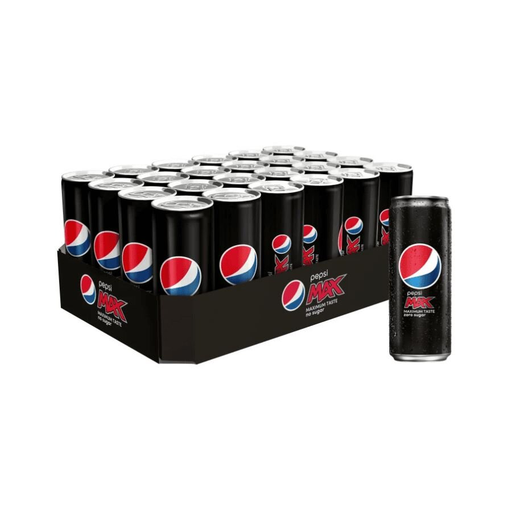
Why this suits this profile: The pack of 24 cans is ideal for anyone wanting to stock up on sugar-free cola for meals and shared occasions.
The 33 cl individual portions mean no leftovers after opening, and you can see the total volume at a glance.
24 cans, 7.92 litres in total and 0 g of sugar per 100 ml according to the information provided.
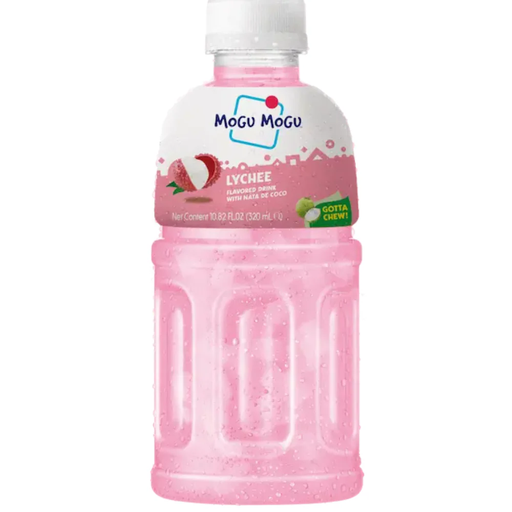
Why this suits this profile: With lychee and pieces of nata de coco, this drink offers a completely different experience from standard sodas.
The product page clearly states the presence of concentrated lychee juice and nata de coco, rather than just a vague "exotic" label.
A 320 ml format with a texture enhanced by coconut pieces, best served well chilled.
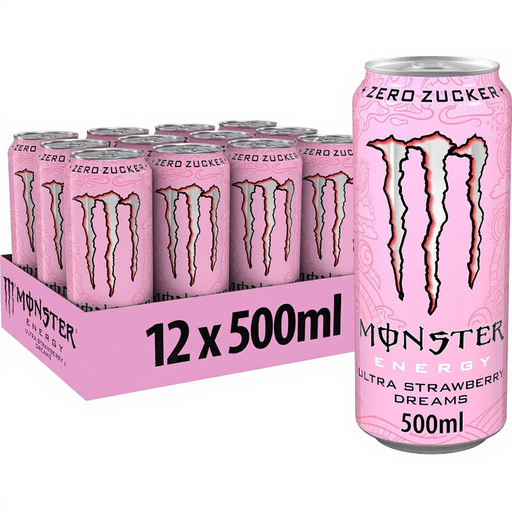
Why this suits this profile: The case of 12 x 50 cl cans is designed for consumers who want a regular supply of energy drink.
The caffeine content is clearly stated, along with age and consumption warnings.
0 g of sugar per 100 ml, 2 kcal per 100 ml and 6 litres of drink in the pack.
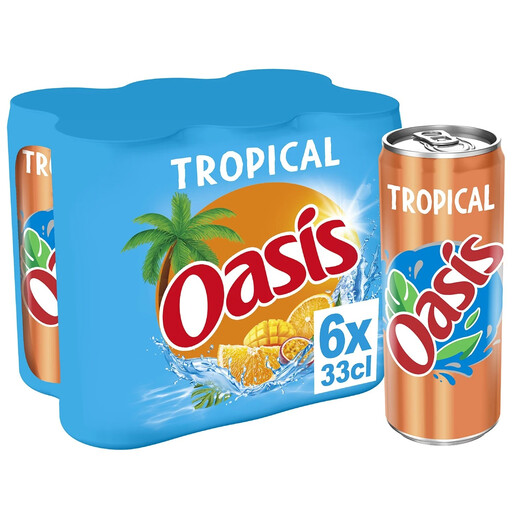
Why this suits this profile: The six individual cans are easy to slip into lunchboxes, picnics and family meals.
The product page clearly states 12% juice from concentrates and 6.1 g of sugar per 100 ml.
Six 33 cl cans, giving 1.98 litres in total, with a recipe combining orange, apple, mango and passion fruit.
We've put together a comprehensive, real-time updated list of products that fully meet these strict selection criteria and European safety regulations.
Packs of 24 x 33 cl cans are practical for handing out individual portions. For a sit-down meal, 1.5 litre bottles can reduce the amount of packaging, but they need to be refrigerated after opening and consumed quickly, following the manufacturer's instructions.
Before opening, keep them in a cool, dry place away from sunlight and extreme temperatures. After opening, put bottles in the fridge and check the label for how long they'll keep. Unopened individual cans are generally easier to store in a cupboard.
Not necessarily. It all depends on the recipe. Compare the sugar content in grams per 100 ml, the juice percentage and whether sweeteners are used. For drinks containing pieces, pulp or seeds, also check the allergens and any instructions on the product page.