
Same-day & Next-day Delivery

Quality Guaranteed

Unlock Your Welcome Offers: FREE Delivery | Up to 80% OFF | Free 30-day JoyPlus trial
Download the APP
White laundry that turns yellow or grey is a common frustration. While there's no shortage of solutions to fix it, they are far from being created equal. Between overblown marketing promises and opaque ingredient lists, it's hard to know what to choose. Our goal: to give you the keys to making an informed choice, especially if you're looking for a gentler alternative for your fabrics and the planet, like sodium percarbonate.
Before you buy, let's review the most common pitfalls:
To choose a product that is both effective and safe, it's better to rely on a few key indicators than on advertising slogans.
Sodium percarbonate, also known as sodium carbonate peroxyhydrate, is a very simple compound. Its chemical formula is 2Na?CO?·3H?O?. Once dissolved in water at a minimum of 40°C (104°F), it splits into two active components:
It's this powerful duo that makes it a remarkably effective natural laundry whitener and eco-friendly stain remover. A quality product should therefore list the highest possible concentration of percarbonate, without superfluous additives like synthetic fragrances or unnecessary anti-caking agents.
Faced with vague marketing claims, certifications provide a concrete guarantee. The "Detergent certified by ECOCERT" label is a benchmark in this field. It guarantees that:
Spotting this logo on a package of percarbonate is therefore an excellent habit to ensure the product's quality and its low environmental impact.
The effectiveness of percarbonate also depends (and especially) on how you use it. Here are a few tips for the optimal use of sodium percarbonate:
Because every household has its own habits, here is a selection of products suited to different profiles, always keeping our performance and composition criteria in mind.
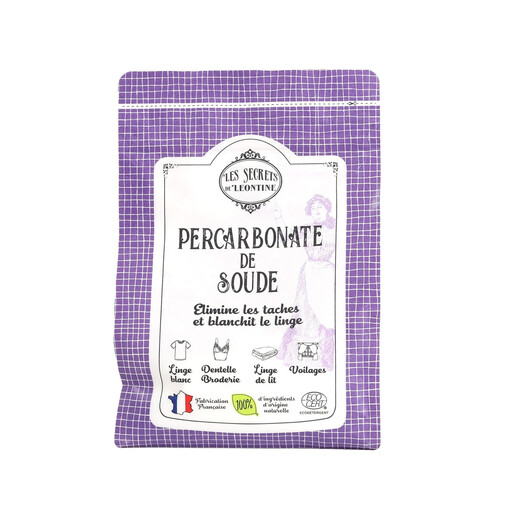
Why it's a match: Ideal for those who swear by raw, versatile ingredients. This pure product allows you to create your own cleaning recipes or use it as-is for targeted action on laundry. The perfect solution for "do-it-yourself" fans.
This product is 100% sodium percarbonate. Period. No additives, fragrances, or fillers. The ECOCERT certification guarantees its natural origin and a respectful manufacturing process, eliminating any suspicion of *greenwashing*.
Purity and effectiveness: formidable whitening and stain-removing action thanks to its minimalist composition. Versatility: perfect for laundry, but also for revitalising tile grout or brightening a wooden deck.
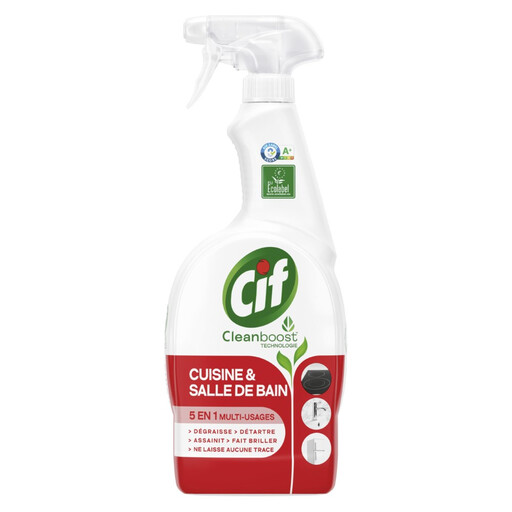
Why it's a match: For those who want a ready-to-use solution for daily kitchen and bathroom cleaning, without neglecting environmental impact. The spray format is a real bonus for convenience.
Rather than a vague "green" promise, this product features the EU Ecolabel. This official label guarantees strict specifications for both performance and reduced impact on aquatic environments.
Convenience and certification: the effectiveness of an all-purpose spray with the backing of a recognised environmental label. 5-in-1 action: it degreases, descales, and cleans without leaving streaks.
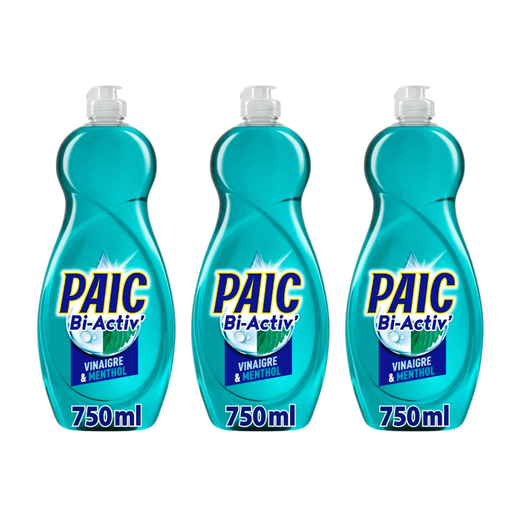
Why it's a match: For the daily chore of dishwashing, this user wants a formula that cuts through grease but has a more transparent, naturally derived composition, without sacrificing performance.
This product goes beyond slogans by displaying a clear figure: "96% ingredients of natural origin." This transparency allows you to make a choice based on a quantifiable criterion, not a vague marketing promise.
Transparent composition: the high percentage of naturally derived ingredients is a real plus. Effective in cold water: its formula, active from 18°C (64°F), helps save energy.
Discover our complete selection of cleaning products, from raw powders to certified ready-to-use sprays, to meet all your needs.
Percarbonate is a so-called "oxygen" bleach. It releases hydrogen peroxide, which oxidises stains to make them disappear. Bleach, on the other hand, is a "chlorine" agent (sodium hypochlorite), which is much more aggressive. Percarbonate is known to be less harmful to textile fibres and breaks down into gentler substances for the environment (water, oxygen, and sodium carbonate).
No. It is formidable on white and stable, light-coloured fabrics (cotton, synthetics, hemp). However, it is strongly discouraged for delicate textiles like wool and silk. Its oxidising action can also cause bright or dark colours to fade. When in doubt, always test on an inconspicuous area of the garment first.
Sodium percarbonate must be stored in an airtight container, away from moisture, heat, and light. Moisture can trigger its chemical reaction, causing it to lose all its effectiveness. Also, remember to keep it out of reach of children and pets.