
Same-day & Next-day Delivery

Quality Guaranteed

Unlock Your Welcome Offers: FREE Delivery | Up to 80% OFF | Free 30-day JoyPlus trial
Download the APP
The sparkling drink aisle is a universe in itself, stretching from timeless classics to the most unexpected flavours. But with such a vast selection, it's easy to get lost and fall into common traps: exotic sodas that don't live up to the hype, XXL packs that aren't as budget-friendly as they seem, or "at-home" soda makers that are more complex than they appear.
As a product expert at Joybuy, my mission is to bring you clarity. Moving beyond advertising slogans, this guide is based on concrete criteria to help you choose the sodas and sparkling drinks that truly match your tastes and your budget.
To make the right choice, you need to learn how to decode labels. Here are three essential criteria to scrutinise.
A soda's quality is first judged by its composition. Pay close attention to the source of its taste:
The format has a direct impact on price, convenience, and environmental footprint.
Some sodas are much more than just a drink: they offer a true experience. This is the case with the Japanese lemonadeRamune, famous for its marble-stoppered bottle, or the Mexican Jarritos sodas, renowned for their authentic flavours and use of real cane sugar. Choosing these products is also like treating yourself to a small cultural journey.
Rather than searching for the one perfect soda, it's better to find the one that meets a specific need. Here is our selection for three consumer profiles.
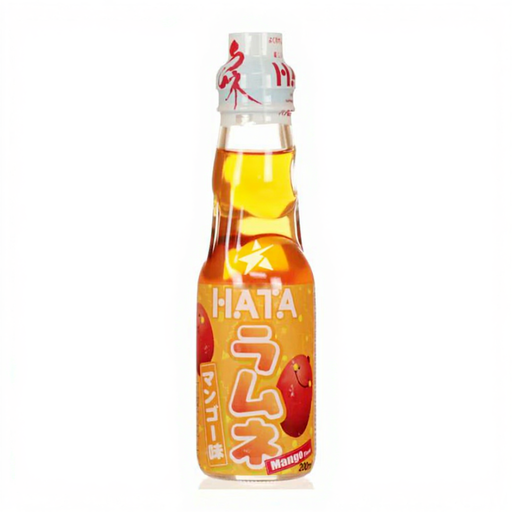
Why this choice? For those seeking more than just a drink: a true experience. Ramune is an iconic Japanese soda, not only for its flavours but also for its unique opening system involving a glass marble. It's a fun product and a classic of Japanese pop culture.
It avoids the "false exoticism" trap by offering an authentic and recognisable experience. Its appeal isn't based on a vague tropical promise, but on its strong Japanese identity and its opening ritual.
A fun opening experience and a very refreshing mango flavour. The ideal product to surprise guests or treat yourself to something original.
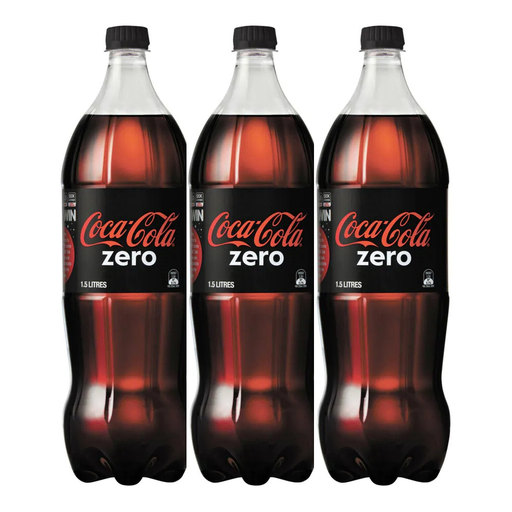
Why this choice? For those who love the taste of cola but not the sugar and calories that come with it. Coca-Cola Zero is the benchmark for sugar-free sodas, with a flavour very close to the original version. This pack of large bottles is perfect for regular consumption at home.
It directly addresses the sugar problem by eliminating it completely. The promise is clear and verifiable on the label: zero sugar, zero calories. No unpleasant surprises.
The authentic taste of Coca-Cola, without the calories. The pack format is economical for regular consumers.
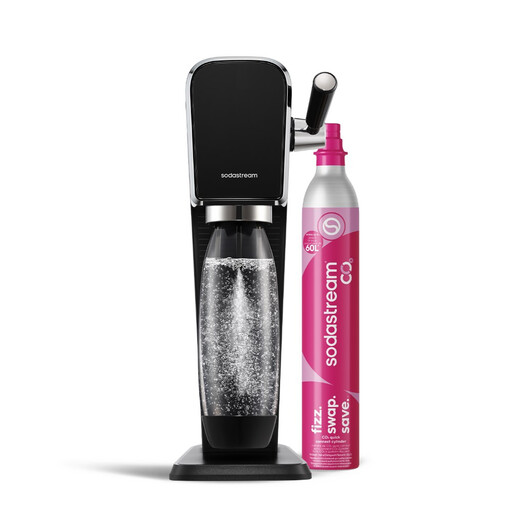
Why this choice? For those who want to control their bubble intake, reduce waste, and create their own custom drinks. The SodaStream ART machine turns tap water into sparkling water in seconds. Its manual carbonation lever offers precise control over the fizz level, all with a touch of retro design.
This model bypasses the hidden costs trap by focusing on quality and durability. More than a gadget, it's a well-designed kitchen appliance. The initial investment is justified by the total control over ingredients and the drastic reduction in plastic bottles.
Total customisation (fizz level, flavours) and a much more eco-friendly approach. The Quick Connect system also simplifies changing the gas cylinder.
Discover our complete and up-to-date selection of products that meet our selection criteria and local regulations.
The main difference lies in the overall experience. While a classic lemonade focuses on taste, Ramune (often called Japanese lemonade) is famous for its unique bottle, sealed with a glass marble that you must push down to open. It's this fun, interactive aspect, combined with often more original flavours (melon, lychee, mango), that makes it so special.
The cost-effectiveness of a soda maker like a SodaStream depends entirely on your consumption. For someone who drinks sparkling water or sodas daily, the initial investment is often paid off within a few months compared to buying bottles. However, you must remember to include the cost of CO2 refills and syrups in your calculation to get an accurate long-term picture.
Taste is subjective, but a few tips can guide you. Major brands like Coca-Cola Zero have worked extensively to make the flavour of their sugar-free version nearly identical to the original. It can also be helpful to look at the type of sweetener used (aspartame, sucralose, stevia, etc.), as each has a slightly different taste profile. The best advice is to try several brands in small formats to find the one that wins over your palate.