
Livraison le jour même ou le lendemain

Qualité garantie

Débloquez vos offres de bienvenue: Livraison GRATUITE | Jusqu'à -80 % | 30 jours d'essai gratuits à JoyPlus
Téléchargez l'application
Buying sodas and fizzy drinks in multipacks is a great way to stock up for home, the office or a party. But the price per can or bottle isn't enough to judge a deal. With varying pack sizes, sugary or sweetened recipes and claims about ingredients, certain details can quickly push up the cost.
A pack of 6 cans might look like a bargain, yet its price per litre can sometimes be higher than a case of 12 or 24. Before you order, always check:
That way, you can properly compare a pack of 330 ml cans, 500 ml bottles or a family-sized 750 ml bottle.
A fruity soda may contain juice, concentrate, flavourings or a combination of these ingredients. It's best to check the ingredients list before you buy. A fruit soda doesn't necessarily have the same profile as a flavoured sparkling water.
Pay particular attention to where sugar, fruit juice and sweeteners appear in the ingredients list. Drinks flavoured with peach, cherry, melon or watermelon can have very different levels.
A sugar-free soda can be made with stevia, sucralose, aspartame or other approved sweeteners. If you're after a specific recipe, check the ingredients rather than relying on the front of the pack. The presence of aspartame should also be noted by anyone concerned about the phenylalanine warning.
Individual 250 or 330 ml cans are ideal for breaks, lunches and serving at events. Packs of 24 cans give you a generous supply, but they take up more cupboard space. For a family, an office or a party, compare the total volume in litres before you decide.
Large glass or plastic bottles are better suited to serving at the table, while cans are easy to hand out and don't need a glass. Once opened, a fizzy drink gradually loses its bubbles: it's best to drink it quickly and follow the storage instructions on the packaging.
To compare two fizzy drinks, start by looking at the nutritional values per 100 ml, then scale them up to the actual volume you'll drink. A 330 ml can contains more than three times the amounts listed for 100 ml.
The main categories to distinguish are:
Nutritional information should always be read alongside the ingredients list. It allows you to compare products objectively, without automatically implying any health benefit.
Check for any juice, acidity regulators, preservatives, colourings and sweeteners. Allergens are usually clearly marked, but it's still a good idea to check the packaging when it arrives.
Store cans and bottles in a dry place, away from direct sunlight and heat. A drink served chilled is often more enjoyable, but refrigeration isn't always necessary before opening. The manufacturer's instructions should always be followed.
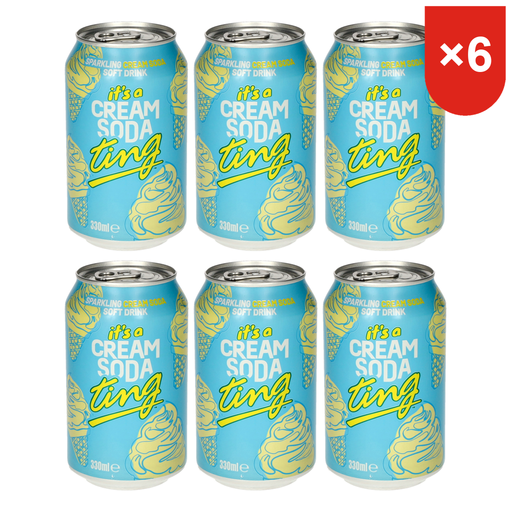
Why this choice suits this profile: With its 6 cans of 330 ml, this pack lets you try a cream-flavoured fizzy drink without committing to a large volume. The stated values show 18 kcal and 4.4 g of sugars per 100 ml.
The small pack size reduces the risk of overstocking and makes it easy to compare the price per can and per litre.
Pack of 6, 330 ml cans, original flavour and a handy format for serving chilled.
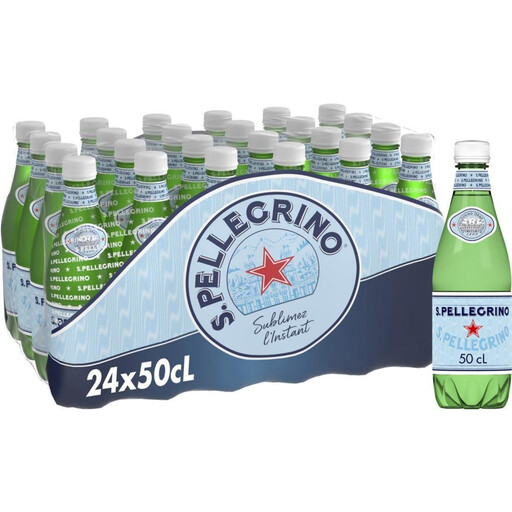
Why this choice suits this profile: This pack of 24 x 500 ml bottles is ideal for meals, parties and anyone looking for a natural sparkling mineral water with no added flavourings.
The clear "natural mineral water" label makes it easy to distinguish from a flavoured or sweetened soda.
24 x 500 ml bottles, 0 kcal per 100 ml and a simple composition of natural mineral water.
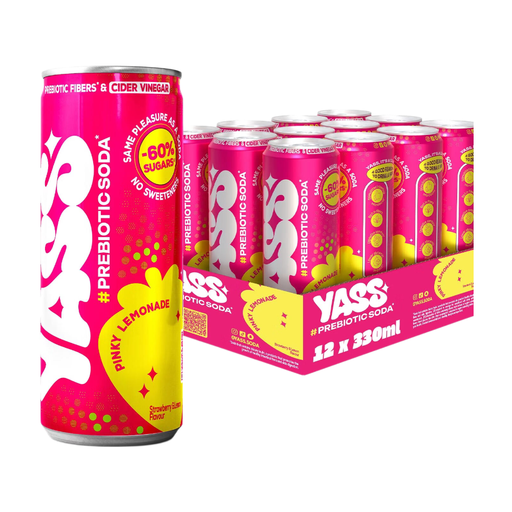
Why this choice suits this profile: The pack of 12 x 330 ml cans is ideal for an office, a family or a party. The recipe states 6.6 g of fibre per can and around 57 kcal per can.
The information given per can makes it easier to assess your consumption than comparing only the values per 100 ml.
12 cans, pink lemonade flavour, fibre stated on the label and no artificial sweeteners according to the product sheet provided.
For shared use, go for individual cans of 250 to 330 ml, which are easy to hand out. Estimate the number of people, then consider a few different flavours if tastes vary. The total volume and the space available in the fridge are also worth thinking about.
No. Compare the price per litre, the number of containers and any delivery charges. A large pack can bring the unit price down, but it's only good value if you have room to store it and can drink it before the date on the packaging.
Before opening, keep it in a cool, dry place away from direct light. After opening, reseal the bottle if possible and put it in the fridge. An opened can should generally be drunk quickly to keep its taste and fizz.