
Livraison le jour même ou le lendemain

Qualité garantie

Débloquez vos offres de bienvenue: Livraison GRATUITE | Jusqu'à -80 % | 30 jours d'essai gratuits à JoyPlus
Téléchargez l'application
Buying a soda cola might seem straightforward. Yet the size, recipe and packaging can make a noticeable difference to the price you actually pay. A pack of cans isn't intended for the same use as a 1.5 L bottle, while a sugar-free cola doesn't satisfy the same cravings as a classic Coca-Cola.
Before you fill your basket, keep three things in mind:
An original Coca-Cola contains sugar. The product sheets we've looked at typically show around 10.6 g of sugar per 100 ml, which is nearly 35 g in a 33 cl can. However, always check the label on the product you receive: the recipe can vary depending on the market or the packaging.
Versions like Coca-Cola Zero, Coca-Cola Light or Pepsi Max show 0 g of sugar per 100 ml according to the relevant product sheets. They do, however, contain sweeteners such as aspartame, acesulfame-K or steviol glycosides. Anyone affected should also take note of the statement "contains a source of phenylalanine".
Fancy a change from classic cola? A flavoured cola with vanilla, cherry or peach could be a great option. In that case, check the sugar content, the presence of caffeine, the type of flavourings and the country of origin.
The right container depends mainly on how you plan to use it:
An unopened can generally keeps its fizz better until you open it. For a bottle that's been opened, keeping it in the fridge and drinking it within a few days will help preserve its freshness and sparkle for longer.
Before you confirm your purchase, check the net quantity, the nutritional values per 100 ml, the ingredients list, the best-before date and the contact details of the responsible person in the European Union if the drink is imported.
A fizzy soda should be stored in a cool, dry place, away from sunlight and extreme temperatures. Serve it well chilled, but do not freeze it. For an imported product, the product sheet and packaging also let you check the labelling language, the actual volume and the storage instructions.
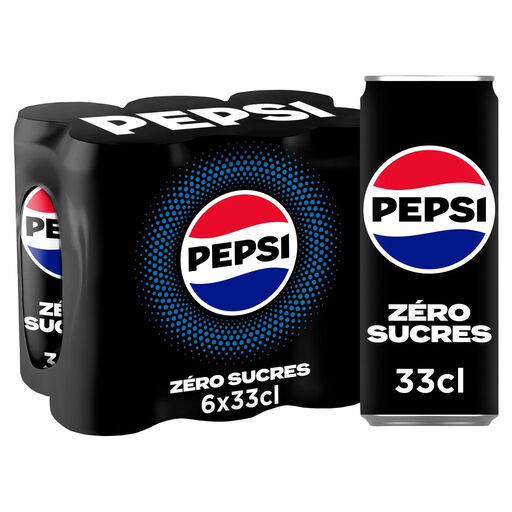
Why this choice suits this profile: With six 33 cl cans, this pack lets you try a sugar-free cola without cluttering your cupboards. The product sheet shows 0 g of sugar per 100 ml.
The number of cans and the total volume are clearly stated. Comparing it with a 24-can pack is therefore straightforward.
Six 33 cl cans, 0 g of sugar per 100 ml according to the product sheet and manufactured in France as stated.
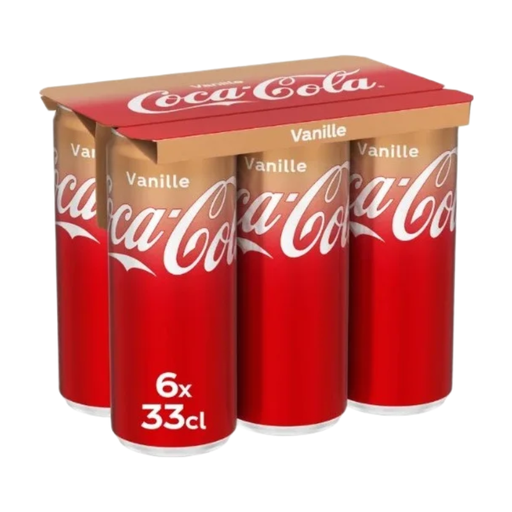
Why this choice suits this profile: This recipe blends the taste of cola with a hint of vanilla. It's aimed at those looking for a more original drink than classic cola.
The vanilla flavour is clearly stated. There's no risk of confusing it with the original recipe.
Natural vanilla flavouring stated, sweeteners detailed in the ingredients and a drink best served well chilled.
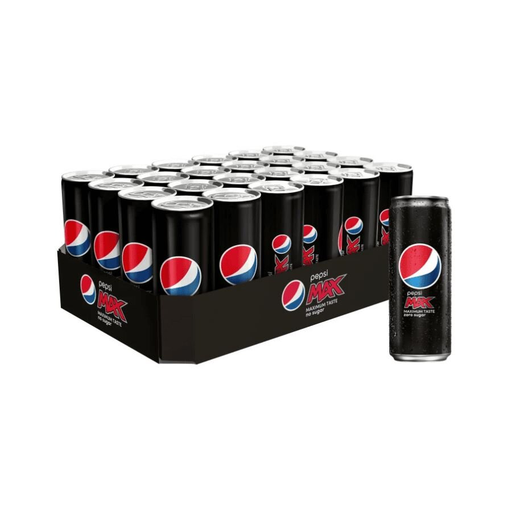
Why this choice suits this profile: This large pack is ideal for offices, associations, parties and households that regularly drink sugar-free cola.
The 24 cans are easy to store and prevent the fizz from going flat in a large bottle left open for several days.
24 cans of 33 cl, giving a total of 7.92 L, 0 g of sugar and 0.4 kcal per 100 ml according to the product sheet.
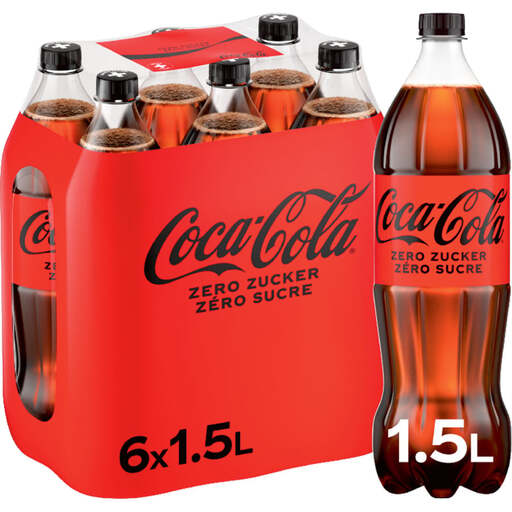
Why this choice suits this profile: The six 1.5 L bottles are designed for large gatherings and households that always want cola on hand, even after opening a bottle.
The total volume of 9 L is clearly stated. You can therefore work out the storage space needed and check it matches your drinking pace.
Six 1.5 L bottles, sugar-free recipe according to the product sheet and refrigeration recommended after opening.
We've put together a full selection, updated in real time, of products that meet these strict criteria as well as European safety regulations.
33 cl cans are easy to hand out and avoid passing around an already-opened bottle. For a sit-down meal, 1.5 L bottles can be more practical, provided you have enough fridge space. Before choosing a pack, compare the total volume with the number of people you're serving.
The product sheets for the Coca-Cola Zero, Pepsi Max and Coca-Cola Light featured here show 0 g of sugar per 100 ml. That doesn't mean these recipes are free from sweeteners. Always check the label, especially to see if aspartame is present and to note the phenylalanine warning.
Put it in the fridge, screw the cap back on tightly and drink it quickly to minimise the loss of fizz. An opened can, on the other hand, should be drunk straight away. In all cases, follow the instructions on the packaging.