
Livraison le jour même ou le lendemain

Qualité garantie

Débloquez vos offres de bienvenue: Livraison GRATUITE | Jusqu'à -80 % | 30 jours d'essai gratuits à JoyPlus
Téléchargez l'application
Choosing a soap is not a decision to take lightly. From liquid soap, solid soap and Marseille soap to shower gel and face cleanser, the shelves are packed with different formulas and promises. A product that feels pleasant from the first use may nevertheless dry out your skin, a refill may not be compatible with your dispenser, and the word “natural” does not always tell you everything about the ingredients.
Here are the criteria to consider when choosing a product suited to your skin, household and habits.
A natural soap or organic soap may contain fragrance, essential oils or fragrance allergens, all of which are clearly listed in the INCI ingredients list. The presence of plant-based ingredients therefore does not guarantee that the product will suit sensitive skin.
Before buying, look out in particular for the following:
A formula marketed as antibacterial soap is generally intended for handwashing. It does not replace a disinfectant and should not be chosen solely for everyday body washing. Washing with soap and water, followed by thorough rinsing, remains the essential way to remove dirt.
For your face or body, choose a formula suited to your skin instead: superfatted soap for greater comfort, a gentle face cleanser for reactive skin or practical liquid soap for the whole family.
A large bottle of shower gel or liquid soap may seem economical, but it can sometimes encourage overuse. Conversely, solid soap does not keep well if left in a damp soap dish. A refill can reduce packaging, but only if it is compatible with your dispenser and its volume matches your needs.
Compare the price per 100 ml or 100 g, the amount dispensed per use and the stated usage period. In practice, performance varies according to how often you wash and how much product you use.
For dry or sensitive skin, look for a formula containing humectants such as glycerine, or a creamy, superfatted texture. The term superfatted soap indicates the presence of replenishing agents or added oils, but it is still important to check the full ingredients list.
A soap-free product may also be suitable for the face or body. Some cleansers use surfactants and a pH designed to reduce feelings of tightness. As for the “neutral” pH promoted by a brand, this should be interpreted according to the brand’s own reference point: pay particular attention to the usage instructions and precautions.
For cosmetics sold in the European Union, check that the product has an INCI ingredients list, usage precautions, the name of the responsible person established in the European Union and a batch number. An organic certification should refer to an identifiable organisation; simply stating “of natural origin” does not constitute certification.
Never use household multi-purpose soap on the skin. Liquid black soaps intended for floors and surfaces may be concentrated and irritating to the eyes.
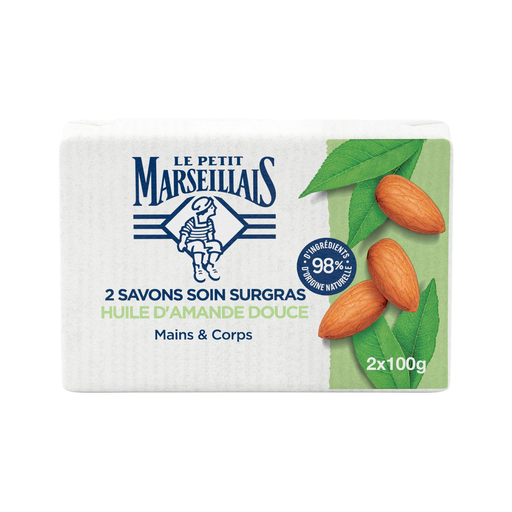
Why this choice suits this profile : This pack of two 100 g bars is suitable for everyday hand and body washing. Its format is easy to store in a family bathroom.
The solid format limits the risk of overuse and means you are not mainly paying for a large liquid container.
The formula contains glycerine and sweet almond oil; the paper packaging is presented as FSC-certified.
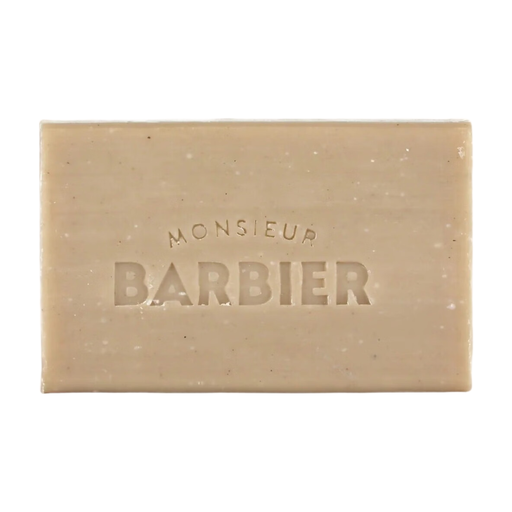
Why this choice suits this profile : This compact bar is designed for anyone looking for a versatile product for the face, body, beard and hair.
The product listing states that it contains 99.98 % naturally derived ingredients and has organic certification; nevertheless, check the label on the product you receive.
100 g solid soap, advertised vegan formula and 8 % superfatted content enriched with rhassoul clay.
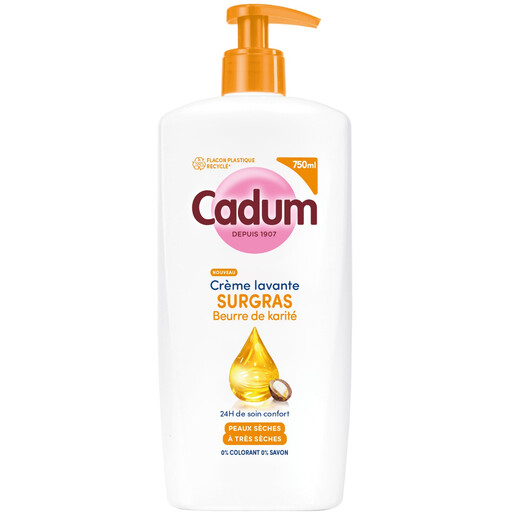
Why this choice suits this profile : Its 750 ml bottle is suitable for a family bathroom and frequent body washing.
The formula is advertised as soap-free and colourant-free, with a neutral pH and a superfatted cream texture; however, it should not be applied to irritated skin.
The product contains shea butter and organic sweet almond oil; the bottle is presented as being made from recycled plastic.
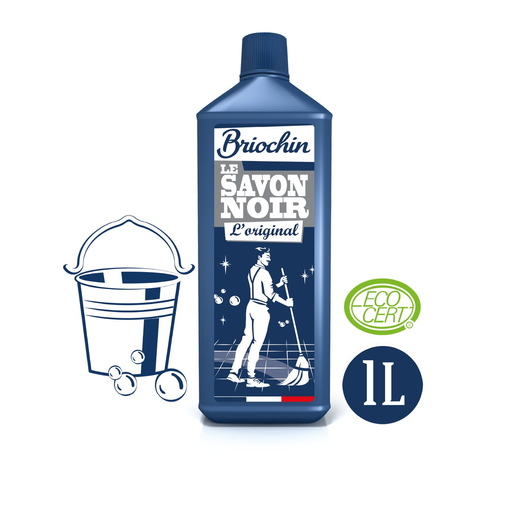
Why this choice suits this profile : This product is intended for household cleaning, particularly floors, small surfaces and certain stubborn stains.
Its use has nothing to do with personal hygiene: do not confuse it with hand soap or shower gel.
Formula advertised as 99 % naturally derived, ECOCERT-certified, with the option to use it neat or diluted depending on the surface.
We have brought together a complete, real-time-updated selection of products that meet these demanding criteria and European safety requirements.
Start by checking the INCI ingredients list and favour a short formula containing glycerine or superfatted agents. An unscented soap for sensitive skin may be easier to tolerate, but every skin type reacts differently. Test the product on a small area and stop using it at the first sign of redness or discomfort.
It depends on its weight, how often it is used and how it is stored. Allowing a solid bar to dry between washes helps to limit waste. Shower gel or liquid soap may be more practical for a family, provided you do not use too much.
Marseille soap can refer to a personal-care or household-cleaning product, depending on its formulation. Always check the intended use stated on the packaging. Black soap or multi-purpose soap intended for surfaces must not be applied to the face, body or hands.