
Livraison le jour même ou le lendemain

Qualité garantie

Débloquez vos offres de bienvenue: Livraison GRATUITE | Jusqu'à -80 % | 30 jours d'essai gratuits à JoyPlus
Téléchargez l'application
Buying snacks and food containers seems straightforward… until you realise the quantity is too large, the packaging isn’t practical, or a container becomes a nightmare to clean. From imported confectionery and Asian biscuits to transport solutions and storage containers, the differences often lie in the details.
Before you order, three pitfalls are particularly common: vague promises about freshness, sizes that don’t suit everyday life, and incomplete information about ingredients. Here are the criteria to consider for a more confident purchase in the UK.
A pretty box doesn’t necessarily protect its contents from moisture. A metal biscuit tin is fine for dry goods, but it won’t replace an airtight container for refrigerated food or saucy dishes.
Always check:
A compact snack box is fine for a single portion, but it may not have enough room for a full meal. On the other hand, a large bulk pack of snacks can quickly become cumbersome to carry around every day.
To get a clear idea, compare the external dimensions and the actual capacity. A compartment box measuring 21 × 15 × 4.5 cm won’t serve the same purpose as a set of four 1,600 ml containers.
Imported confectionery and snacks may contain allergens such as wheat, gluten, nuts, soya, milk, eggs, sesame or sulphites. The list on the product page and packaging should always be your reference before consuming.
Nutritional values also deserve a careful look. Some sweets are very high in carbohydrates, while konjac snacks can have a high salt content despite a moderate energy value. So it’s best not to choose a product based on a single criterion.
For the office, school or travel, measure the space available in your bag. The container should open easily without spilling its contents. Compartments are handy for separating fruit, biscuits and small sweets, but they aren’t all leak-proof between sections.
For storage at home, choose a capacity that matches your consumption. A box that’s too large leaves more air around the biscuits and can make organising your cupboard trickier.
The material must be food-safe and suitable for the manufacturer’s intended use. Stainless steel is valued for its resistance to odours and stains. The Maxcook model featured below is made from 316L stainless steel and comes with lids; it’s stated to be freezer and dishwasher safe.
Plastic can be lightweight and practical for a snack box, but each model has its own limitations. The Hello Kitty Snackbox, for example, should be cleaned with a damp cloth and must not be washed in the machine.
For imported foods, check the product name, net quantity, best-before date, ingredients, allergens and storage conditions. This information is especially important for products containing nuts or additives.
The Anabtawi baklava box should be stored in a cool, dry place away from sunlight, and consumed within ten days of opening, according to the product sheet. Bestore mochi are packed in individual 30 g portions – a practical format for sharing that reduces repeated handling.
The following products meet different needs: discovering new flavours, storing food for the whole family, carrying your lunch or sharing a snack.
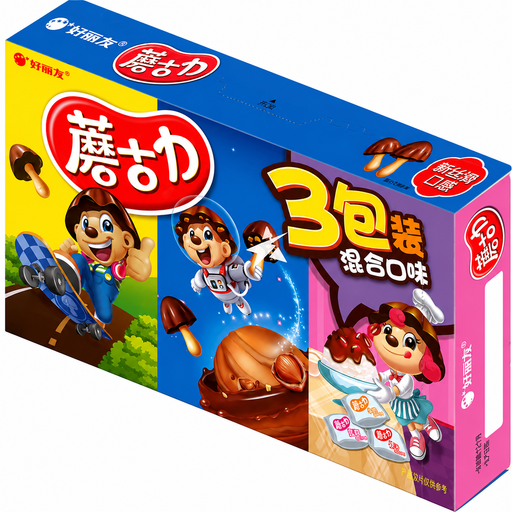
Why this suits this profile: The three 48 g packs let you try Asian biscuits without buying an XXL assortment. The size works well for a snack or for sharing with a few people.
The three-portion packaging means you don’t have to open a large bag on your first taste.
Three stated flavours: red bean paste, hazelnut chocolate and milk chocolate.
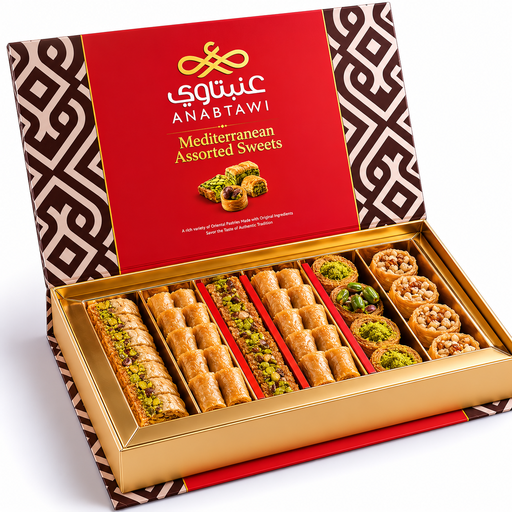
Why this suits this profile: This box of baklava works equally well as a dessert to share or as a gourmet gift. Its red presentation contains an assortment of nut-based pastries.
Storage conditions and the ten-day shelf life after opening are clearly stated, making it easier to plan when to enjoy it.
250 g box filled with pistachio, cashew and almond. The presence of wheat and sulphites should be noted.

Why this suits this profile: The four 1,600 ml containers let you store leftovers, meal-prep and keep food for the whole family.
The capacity is stated for each container, making it easier to assess your needs than with a box that lacks precise measurements.
316L stainless steel, lids included, stated as dishwasher and freezer safe.
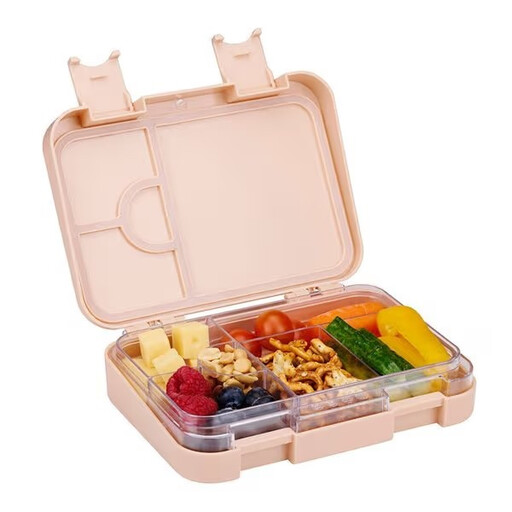
Why this suits this profile: Its six compartments separate foods for a snack, school, work or a day out. Its dimensions still fit inside a bag.
The product sheet states that the box is not microwave-safe and recommends avoiding very liquid foods – two limitations to know before buying.
Six removable sections, dimensions of 21 × 15 × 4.5 cm and stated as dishwasher safe.
We’ve put together a comprehensive, real-time selection of products that meet these exacting criteria and comply with European safety regulations.
For a sweet treat, Japanese mochi from Bestore combines matcha, black sesame and mango in twelve individual sachets. Ricola sugar-free sweets with raspberry and lemon balm come in a pocket-sized format; their product sheet mentions isomalt and steviol glycosides, without presenting these ingredients as any kind of medical guarantee.
For a party or event, Chupa Chups lollipops are sold in a box of 150 pieces, individually wrapped. Jelly Belly Harry Potter sweets make a fun gift set, but their recipe contains 65 g of sugar per 100 g. Some colourings also come with a regulatory note regarding activity and attention in children.
A metal biscuit tin can complement these purchases for storing dry goods. It must be perfectly dry before filling and is not suitable for liquid foods. For gifting, gourmet boxes such as baklava, mochi or biscuit assortments offer a variety of textures, provided you check the allergens carefully.
Choose a lightweight box that’s compact enough and has compartments if you want to separate foods. Check the closure, dimensions and dishwasher compatibility. For liquid foods, opt for a model explicitly designed to minimise leaks.
No. A metal tin is mainly suitable for biscuits, wrapped confectionery and other dry foods. It doesn’t replace an airtight container designed for the fridge or freezer. Before using one, consult the manufacturer’s instructions and keep it away from moisture.
Go for individual portions or quickly divide large packs into clean, dry containers. Note the opening date, respect the shelf life stated on the packaging and store products according to their storage conditions. Allergens should remain clearly identifiable, especially when sharing with family or colleagues.