
Livraison le jour même ou le lendemain

Qualité garantie

Débloquez vos offres de bienvenue: Livraison GRATUITE | Jusqu'à -80 % | 30 jours d'essai gratuits à JoyPlus
Téléchargez l'application
With the overwhelming number of models available, choosing a smartwatch can quickly become a headache. Between endless spec sheets, brand promises, and a wide range of prices, it's easy to get lost. Our mission: to give you clear benchmarks and practical advice to find the smartwatch that truly fits your activities, style, and budget.
Whether you're an athlete seeking peak performance, a user focused on your well-being, or simply looking for a companion to manage your notifications, this guide is here to help.
Before diving into our selection, let's review the key points that will guide your decision.
The battery life of a smartwatch is a crucial criterion. Some models require an almost daily charge, while others can last more than a week on a single cycle.
Consider your routine: Are you prepared to add charging your watch to your nightly habits, or do you prefer the peace of mind that comes with a long-lasting battery?
For athletes, a sports smartwatch must go far beyond simple step counting. The accuracy of the smartwatch's GPS is essential for reliably tracking your running or cycling routes. The most advanced models feature dual-frequency GPS, which guarantees better reliability in complex environments like dense city centres or forests.
Also, look into the available performance metrics: running power, training load, recovery time... This data can be invaluable for structuring your workouts.
Health smartwatch features have continuously evolved. They can now include an electrocardiogram (ECG), blood oxygen (SpO2) measurement, detailed sleep analysis, and even body temperature monitoring.
However, it's crucial to remember one thing: these watches are not medical devices. The data they collect is for informational purposes only and should never replace a diagnosis or consultation with a healthcare professional.
Our editorial team has scrutinised several models to present you with options suited for different profiles and budgets.
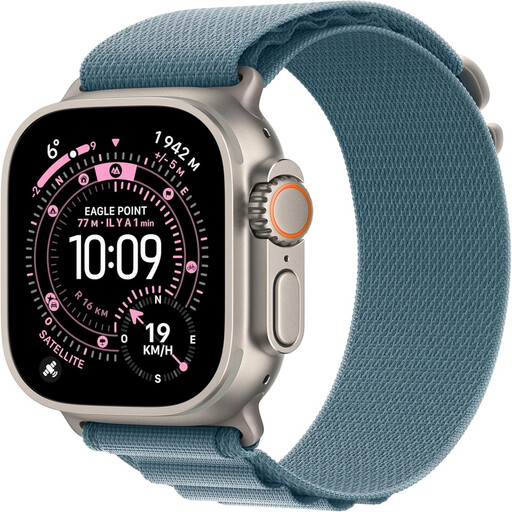
Why it stands out: Built for extreme conditions, the Apple Watch Ultra 3 combines rock-solid durability with cutting-edge features for sports and adventure. Its titanium case and flat sapphire crystal display ensure exceptional resistance.
Pros:
Who is it for? For athletes, adventurers, and Apple ecosystem enthusiasts looking for a men's or women's smartwatch with no compromises on durability, battery life, and features.

Why it stands out: The Series 11 embodies the perfect balance for everyday use. It integrates next-generation health sensors into an elegant and versatile design, all with seamless integration into the Apple ecosystem.
Pros:
Who is it for? For iPhone owners looking for a versatile women's or men's smartwatch focused on wellness and health that integrates seamlessly into their digital life.
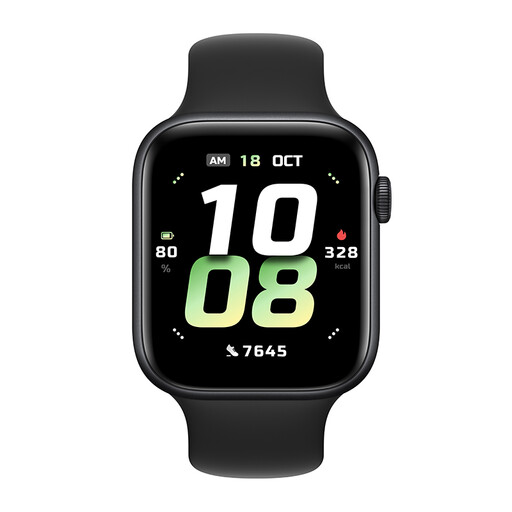
Why it stands out: The HONOR Watch 5 stands out as a very compelling alternative for those who prioritise battery life and an excellent feature-to-price ratio. Its compatibility with both Android and iOS makes it a particularly versatile choice.
Pros:
Who is it for? For users looking for the essential features of a smartwatch, plus a smartwatch with exceptional battery life and reliable sports tracking, without being locked into one ecosystem and on a controlled budget.
Design is obviously a major deciding factor. If the models featured don't match your taste and you prefer a more understated finish, explore our selection of black metal watches to discover other styles.
This is a crucial point. Apple Watch models only work with an iPhone. Other brands, like HONOR, offer watches compatible with both Android smartphones and iPhones. Always remember to check the minimum operating system version (iOS or Android) required by the manufacturer before you buy.
No, and this is an essential point. Smartwatches are not certified medical devices. Features like ECG, blood oxygen measurement, or heart rate alerts are there to give you indicators about your general well-being. They should never be used for self-diagnosis or to replace the advice of a healthcare professional.
The battery life advertised by manufacturers is usually calculated based on a "typical" usage scenario. Features like the Always-On Display, intensive GPS use for sports, making calls from the watch, or receiving continuous notifications will significantly reduce the actual battery life. Adjusting these settings is the best way to optimise battery life based on your priorities.