
Livraison le jour même ou le lendemain

Qualité garantie

Débloquez vos offres de bienvenue: Livraison GRATUITE | Jusqu'à -80 % | 30 jours d'essai gratuits à JoyPlus
Téléchargez l'application
The smartwatch market has become a jungle. Between tempting marketing promises and the reality of daily use, it's easy to feel lost... and regret your purchase. As a product expert for our editorial team, my role is to help you sort through the noise. Let's break down the common pitfalls to avoid and the criteria that truly matter, so you can make a choice you won't regret.
Before you fall for a sleek design or an endless spec sheet, let's review the most common disappointments. Knowing them upfront can save you from throwing your money away.
To avoid these unpleasant surprises, focus on the features that don't lie. These are what will determine if a men's or women's smartwatch is truly right for you.
Instead of marketing figures, look at the battery capacity, expressed in milliampere-hours (mAh). A value above 300?mAh is a good starting point for several days of heavy use. Always look for the "daily" or "typical" usage battery life, which is far more realistic. Genuine long battery life means the freedom of not having to charge it every night.
The word "waterproof" is often misused. The only true benchmark is the Ingress Protection (IP) rating:
Bluetooth calling, which lets you answer calls directly from your wrist, is becoming more common. Be sure to check compatibility with your version of Android or iOS and, most importantly, read reviews of the companion app. Smooth notifications and a stable connection aren't optional extras; they're essential for avoiding daily frustration.
To help you find the right fit, here are a few options that cater to different user profiles, based on the selection criteria we've just discussed.
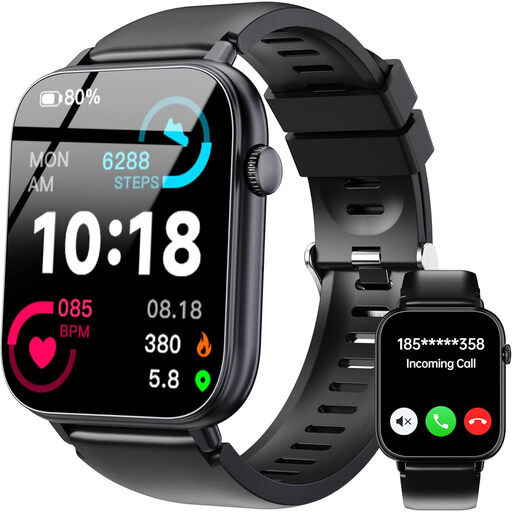
Why we chose it: Perfect for getting started in the world of smartwatches with a maximum of features, without breaking the bank. Its large screen offers excellent readability for notifications and sports data.
Its advertised 7-day battery life in typical use is realistic, a far cry from fantasy claims. It relies on the GloryFit app, a reliable choice that ensures good software stability.
The Bluetooth calling feature, over 100 sports modes, and a large 1.83-inch touchscreen. Also available in several colours.
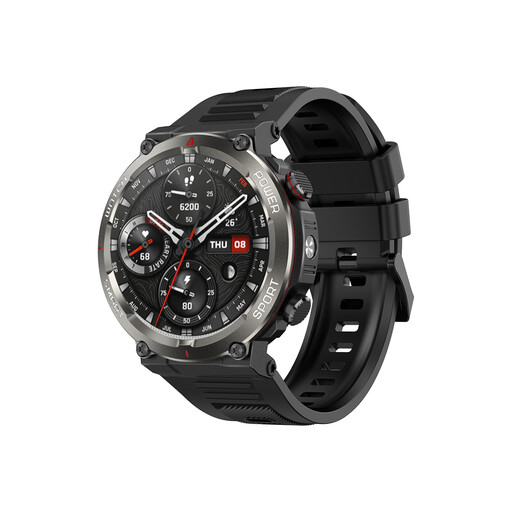
Why we chose it: Built for endurance, it's designed for those who refuse to compromise on battery life. Ideal for long hikes, travel, or simply forgetting your charger for weeks on end.
It shatters the main obstacle: battery life. Its massive 960 mAh battery provides truly long battery life, lasting up to 30 days with normal use. That's a game-changer.
Its record-breaking battery life, compass, built-in LED flashlight, and rugged construction with a zinc alloy bezel.
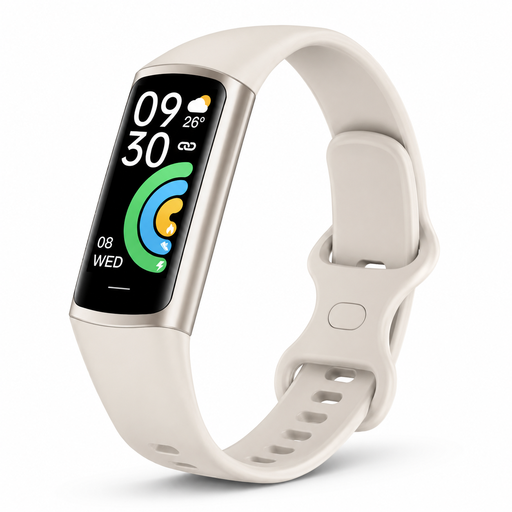
Why we chose it: For those who prefer the lightness and discretion of a fitness tracker over a bulkier watch, without sacrificing essential health tracking features.
It's refreshingly honest: it's a wellness coach (it even measures body temperature), not a medical substitute. Its IP67 water resistance is clearly stated for daily use, with no false promises.
Its slim and lightweight design, its stunning AMOLED screen, and body temperature tracking in addition to the classic sensors (heart rate, SpO2).
Explore our full selection of products that meet our standards for quality and reliability.
To put it simply, an IP67 certified watch can easily survive splashes, sweat, rain, and even an accidental drop in the sink. The IP68 standard offers better protection, making it suitable for swimming in shallow water, provided the manufacturer confirms it. For diving or high-speed water sports, you must look for specific models with resistance rated in atmospheres (ATM).
Sensors have made huge progress and provide good indicators for tracking general trends in your fitness or sleep. But let's be clear: a smartwatch is not a medical device. Its measurements are for informational purposes only and are no substitute for a doctor's diagnosis or certified medical equipment.
The most basic functions (time, stopwatch, step counter) work without a phone. However, to enjoy everything that makes a smartwatch useful (receiving notifications, making calls, analysing health data, performing updates...), a connection to a smartphone via the dedicated app is essential. This is also how the entire initial setup is handled.