
Livraison le jour même ou le lendemain

Qualité garantie

Débloquez vos offres de bienvenue: Livraison GRATUITE | Jusqu'à -80 % | 30 jours d'essai gratuits à JoyPlus
Téléchargez l'application
The smartwatch market is a crowded and constantly evolving space. Between models built for sports, those that act as health coaches, and others that are simple extensions of our smartphones, it's easy to get lost. But don't worry: this guide is here to help you see things more clearly, define the features that are essential for your needs, and make the right choice.
Before you start comparing models, take a moment to define your priorities. These three pillars should guide your decision.
This is often the sticking point. Battery life can vary tenfold, from just 24 hours to several weeks, depending on the model and your usage. Keep in mind that heavy use of GPS, an always-on display, or continuous heart rate monitoring will drain the battery in no time. If the idea of charging your watch every night is a deal-breaker, look for a long-battery-life smartwatch—some manufacturers have made this their main selling point.
A modern sports smartwatch is a true training and wellness partner, a far cry from the simple pedometers of the past.
This is a crucial point: the watch must be compatible with your smartphone's operating system (iOS or Android). The experience is often most seamless when the watch and smartphone are from the same ecosystem (an Apple Watch with an iPhone, for example). This makes syncing notifications, contacts, and apps much smoother.
Here are a few models that stand out from the crowd, each catering to a different type of user.
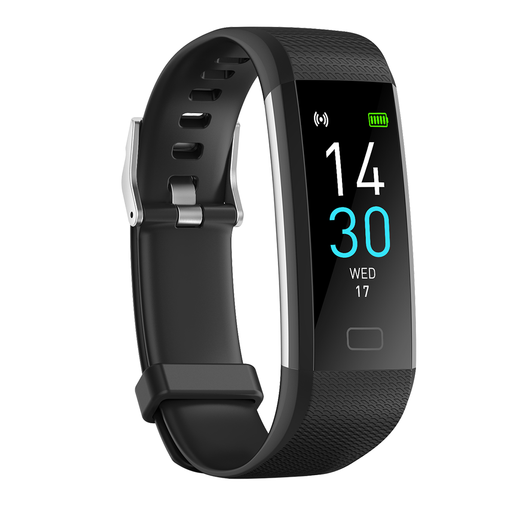
Why it stands out: The FITTEK S5 focuses on the essentials and excels at them. Its main advantage is its record-breaking battery life, with the manufacturer claiming up to 50 days on standby. It includes the essential health sensors for reliable daily tracking, without you having to constantly worry about recharging.
Key features:
Who is it for? This is the ideal model for those looking for a simple yet effective activity tracker, prioritising a long-battery-life smartwatch for daily health and sports tracking, all without breaking the bank.
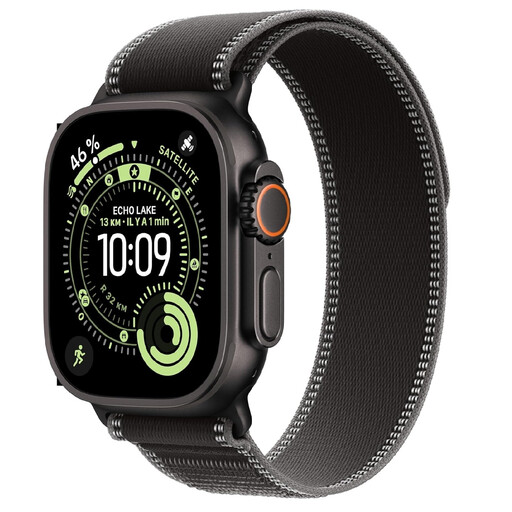
Why it stands out: Built for adventure and extreme conditions, the Apple Watch Ultra 3 is a technological powerhouse. Its titanium case and sapphire crystal give it rock-solid durability, while its dual-frequency GPS ensures incredibly accurate location tracking, even in urban canyons or deep in the wilderness.
Key features:
Who is it for? It's aimed at demanding athletes, adventurers, and iPhone users who want an ultra-reliable and rugged GPS watch with advanced safety features for their expeditions and most intense workouts.
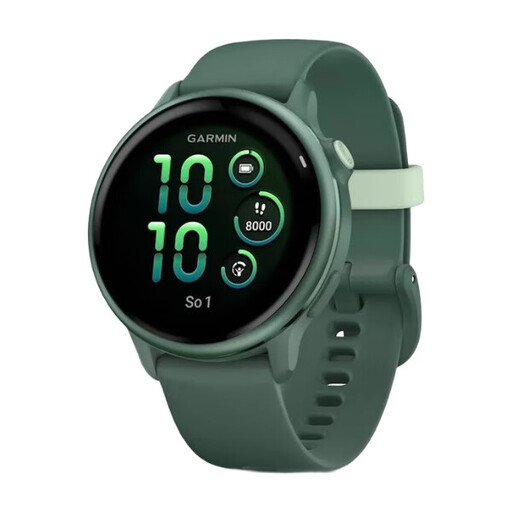
Why it stands out: The Garmin vivoactive 6 strikes the perfect balance between a feature-packed sports smartwatch and an elegant everyday smartwatch. Its stunning AMOLED display, over 80 sports profiles, and advanced health metrics like Body Battery make it an outstanding companion.
Key features:
Who is it for? Perfect for all-round athletes who juggle various activities. They'll find a watch that can support them during a HIIT session as well as in their daily life, with practical smart features and in-depth health tracking.
Choosing a smartwatch is a very personal decision: it depends on your activities, your goals, and, of course, your budget. If our selection doesn't check all your boxes, know that many other options are available.
Discover our full collection of electronic watches to find the model that's right for you.
An activity tracker usually just monitors a few basic metrics: steps, distance, calories burned, and simple sleep analysis. A smartwatch goes much further, offering extended features like notification management, app installation, contactless payments, a built-in GPS, and more advanced health sensors (ECG, SpO?).
Not necessarily, and this is a common pitfall! Water resistance is indicated by an ATM rating. A watch rated 5 ATM, like the Garmin vivoactive 6, is perfect for surface swimming but not for diving. For activities like recreational diving, it's essential to choose models with a higher rating, such as the Apple Watch Ultra 3 (water-resistant to 100 metres and compliant with the EN13319 standard for dive accessories).
A built-in GPS is an undeniable advantage for anyone who engages in outdoor activities (running, hiking, cycling...). It allows you to record your route, distance, and pace with high precision, without needing to carry your smartphone. For more sedentary use or indoor activities, a model without built-in GPS (or with "connected GPS" that uses your phone's GPS) may be more than enough.