
Livraison le jour même ou le lendemain

Qualité garantie

Débloquez vos offres de bienvenue: Livraison GRATUITE | Jusqu'à -80 % | 30 jours d'essai gratuits à JoyPlus
Téléchargez l'application
The smartwatch market is a crowded field that can be overwhelming to navigate. Between models built for athletes, those that prioritise health, and others that are true extensions of your smartphone, making the right choice is a challenge. This guide is designed to help you make sense of it all.
As a product expert for Joybuy, my mission is to cut through the noise and offer you practical, honest advice. Forget the marketing jargon: together, we'll break down the criteria that really matter to find THE watch that's right for you—without breaking your budget.
Before you even browse our selection, one step is crucial: defining your priorities. Here are three fundamental points to consider to guide your decision.
Battery life varies dramatically from one model to the next. A feature-packed smartwatch with a large colour screen and always-on GPS will rarely last more than one or two days. In contrast, a more minimalist fitness tracker focused on activity tracking can go for several weeks without a charge.
Ask yourself the right question: are you willing to charge your watch every night like your phone, or do you prefer a device you can wear for days on end without a second thought? Your answer will naturally guide you toward either a feature-packed sports smartwatch or a simpler, more enduring model.
Tracking your activity and health is often the core purpose of a health smartwatch. While most models offer heart rate, sleep, and step tracking, the most advanced devices go much further, measuring blood oxygen levels (SpO2), taking an electrocardiogram (ECG), tracking body temperature, or providing advanced running metrics.
For athletes, a built-in GPS is a must-have for accurately tracking your outdoor routes without carrying your smartphone. Make a list of the metrics that truly matter to you day-to-day so you don't pay for a suite of sensors you'll never use. Reminder: health data provided by a smartwatch are wellness indicators and are not a substitute for professional medical advice.
This is a non-negotiable point. The Apple Watch is designed to work exclusively with an iPhone. Trying to pair it with an Android smartphone is a waste of time—it won't work. Other brands like Samsung, Garmin, or more affordable models offer much broader compatibility, working with both iOS and Android. Always double-check that the watch you've got your eye on is compatible with your phone's operating system to unlock its full potential.
Now that we've covered the basics, here is a selection of models that have caught our attention, catering to different profiles, from the tech enthusiast to the casual user.
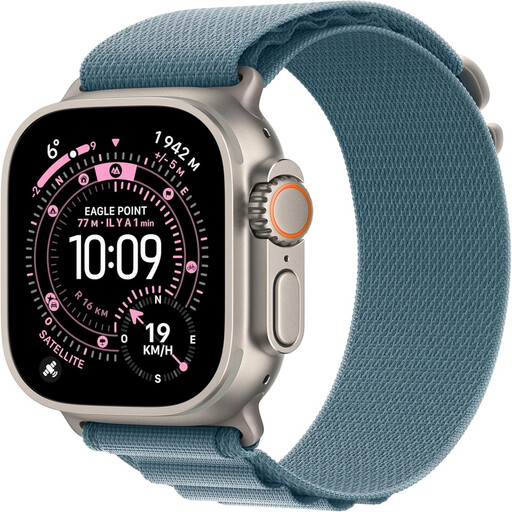
Why it stands out: Built for adventure and extreme conditions, the Apple Watch Ultra 3 is a technological powerhouse. Its rugged titanium case and sapphire crystal display ensure unmatched durability, while its cutting-edge features are aimed at the most demanding athletes and outdoor enthusiasts.
Key features:
Who is it for? For athletes, adventurers, and iPhone owners who want the best of the best: a no-compromise men's or women's smartwatch for both performance and durability.
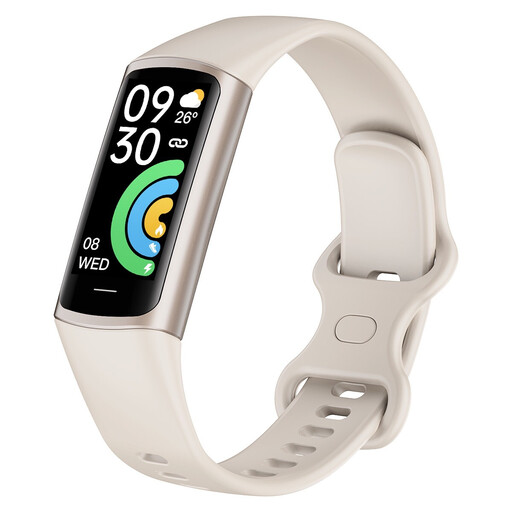
Why it stands out: The VoxorAI C68 proves you can track your activity without breaking the bank. It covers the essentials and does them well, making it an excellent entry point for those who want an overview of their health and notifications without the complexity (and price) of a full-fledged smartwatch.
Key features:
Who is it for? For beginners, those on a tight budget, or anyone looking for a simple and effective fitness tracker that gets straight to the point: tracking daily activity, sleep, and essential notifications.
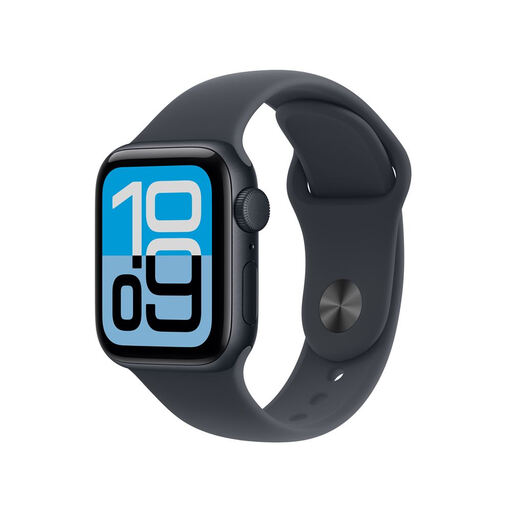
Why it stands out: The Apple Watch SE 3 strikes the perfect balance in Apple's lineup. It packs the core features that define the Apple Watch experience—health and safety tracking, seamless ecosystem integration—into an elegant design at a much more accessible price point than the premium models.
Key features:
Who is it for? For iPhone owners who want a reliable, high-performance, and stylish smartwatch for daily life, fitness, and notifications, but don't necessarily need (or have the budget for) the advanced sensors of the more expensive models.
Our selection is just a glimpse of what the market has to offer. If you want to explore other styles, specific features, or compare different brands, feel free to dive into our full catalogue.
? Explore our full collection of smartwatches and fitness trackers to find the perfect model for you.
1. What is the difference between a smartwatch and a fitness tracker? A smartwatch is a mini-computer for your wrist. It has a more complex operating system, allows you to install apps, make calls, and interact with advanced notifications. A fitness tracker, on the other hand, is simpler and focuses primarily on tracking physical activity (steps, calories) and health (sleep, heart rate), often with much longer battery life.
2. Is a GPS smartwatch necessary for sports? If you engage in outdoor activities like running, cycling, or hiking and want to accurately track your distance, pace, and route without carrying your phone, then yes, a GPS smartwatch is practically essential. For indoor sports, it is not a critical feature.
3. Is the health data from a smartwatch reliable? Modern sensors provide increasingly accurate estimates for tracking general trends (sleep quality, changes in resting heart rate, etc.). However, it is essential to keep in mind that a smartwatch is not a medical device. For any questions regarding your health, always consult a doctor. The data from the watch should be considered wellness indicators, not diagnoses.