
Livraison le jour même ou le lendemain

Qualité garantie

Débloquez vos offres de bienvenue: Livraison GRATUITE | Jusqu'à -80 % | 30 jours d'essai gratuits à JoyPlus
Téléchargez l'application
The shot is shaky, the angle is off, and your smartphone ends up on the floor in the middle of a story. It's an all-too-familiar nightmare scenario for anyone who has ever bought a cheap smartphone tripod. The market is flooded with models making tempting promises, but most turn out to be useless and disappointing gadgets. An unstable or fragile stand doesn't just ruin your videos: it puts your phone at risk.
As a product selection expert at Joybuy, my mission is to help you navigate this jungle. Together, we'll break down the three most common pitfalls and identify the features that truly make a difference. The goal: to ensure your next purchase is a success.
Before you even start comparing models, it's essential to know how to spot the deal-breakers that turn a good deal into a bad investment.
To avoid these traps, focus on objective features. Here are the three non-negotiable points to inspect before you pull out your credit card.
The material is the first indicator of a tripod's longevity. While ABS plastic might suffice for very occasional indoor use, aluminum alloy is significantly better for regular use. It offers a much better strength-to-weight ratio, has better corrosion resistance, and ensures a longer lifespan for key components like ball heads and locking systems. An aluminum tripod costs a bit more upfront, but its durability makes it far more cost-effective in the long run.
Stability isn't just about the tripod's weight; it's primarily a matter of design. Two points to check:
The choice of mounting system depends on your equipment and how you'll use it.
Rather than a random list, we've selected products that meet specific needs, applying the quality and durability criteria we've just discussed.
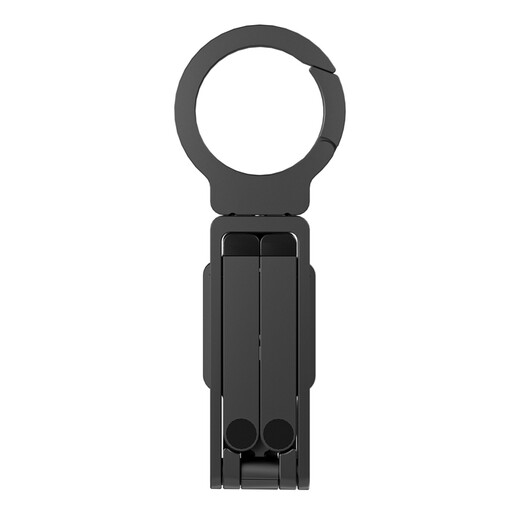
Why this model? Ideal for vloggers and creators on TikTok or Instagram looking for an ultra-fast, quick-draw solution. Its MagSafe compatibility saves precious time (no more adjusting a clamp!), and its integrated carabiner lets you clip it to a bag to always have it on hand. It's the ultimate portable mini tripod.
Its foldable aluminum design eliminates the risk of breakage associated with cheap plastic. The powerful magnetic mount solves the problem of clamps losing their grip strength.
It combines the functions of a selfie stick tripod and a desktop stand. Its MagLock quick-release system is a real plus for capturing the moment.
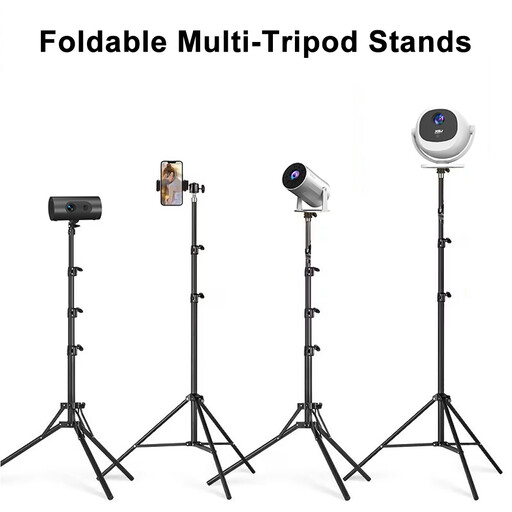
Why this model? Perfect for filming tutorials, live streams, or static shots that require height and stability. Its adjustable height up to 1.60 m and 360° ball head offer maximum framing flexibility, whether used as a phone stand for vlogging or for setting up an accent light.
Its aluminum alloy structure and non-slip feet ensure rock-solid stability, a far cry from the wobbly bases of entry-level models. Its all-metal design prevents parts from breaking.
Its wide height range (60-160 cm) and versatility thanks to the 1/4" screw. When folded, it measures only 40 cm, making it easy to transport and store.
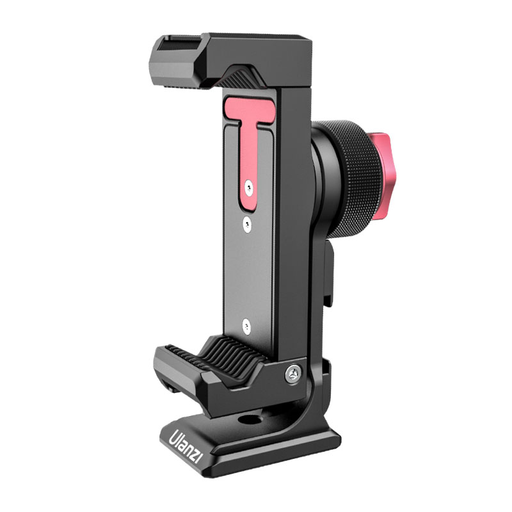
Why this model? For those who already own a camera tripod or simply want to replace the plastic clamp on their current stand. This adapter does only one thing, but it does it perfectly: hold your phone securely. It's the durable solution for turning any stand into an ultra-reliable tabletop tripod or field tripod.
It tackles the #1 problem head-on: the low-quality clamp. Made entirely of aluminum, it guarantees a powerful and durable clamping force that won't weaken over time.
Its 360° rotation allows for easy switching between portrait and landscape modes. Its Arca-Swiss compatibility and multiple 1/4" screw threads offer maximum flexibility.
We have put together a complete selection of tripods that meet our strict criteria for quality and durability.
It all depends on the materials. An entry-level plastic model will show its limitations in less than a year of regular use. Conversely, a tripod with an aluminum alloy body and joints can last for years, making it a much more cost-effective investment in the long run.
Yes, provided you choose a quality model. The magnetic attraction force, measured in Newtons (N), is an excellent indicator. A tripod with a force of 14 N or more provides a perfectly secure hold for everyday use. For more dynamic activities (mountain biking, running), a traditional mechanical clamp is still a safer bet. Also, remember to use a MagSafe-compatible case to ensure maximum adhesion.
The ideal height depends on your primary use: