
Livraison le jour même ou le lendemain

Qualité garantie

Débloquez vos offres de bienvenue: Livraison GRATUITE | Jusqu'à -80 % | 30 jours d'essai gratuits à JoyPlus
Téléchargez l'application
Today's smartphones shoot stunningly high-quality video, but one telltale sign almost always gives away an amateur recording: shaky footage. Tremors, jitters... they can ruin even the best shot. This is precisely where a smartphone stabilizer comes in. The problem is, the market is flooded with models making marketing claims that are often misleading. It's tough to know where to start.
Before you dive in, let's review the most common pitfalls to help you avoid a purchase you might regret:
Recognizing these pitfalls is the first step toward making a smart choice: a piece of gear that will truly elevate your videos without costing you a fortune in disappointment.
To make the right choice, you need to examine a few technical specifications closely. They are the true measure of a stabilizer's performance and usability.
The primary mission of a smartphone gimbal is to neutralize unwanted movements using its motors. The main difference between models comes down to the number of stabilization axes:
For a vlogging accessory worthy of the name, 3-axis stabilization isn't an option—it's a must-have for stable shots in any situation.
A stabilizer is only effective if it's suited to your smartphone. Before you buy, check two crucial points:
This information is always available on the product's spec sheet.
A good stabilizer must be a reliable partner in the field. Battery life is therefore a key factor. Opt for a model that can last for several hours of continuous use so you don't run out of power mid-shoot.
More and more models are turning into real Swiss Army knives. A built-in smartphone tripod is perfect for setting the device down for static shots or timelapses. An extendable Bluetooth selfie stick offers greater freedom in framing your shots. Some even double as a power bank to recharge your phone in a pinch.
Rather than an endless list, we've selected a few models that stand out and meet specific needs, based on the performance and usability criteria we've discussed.
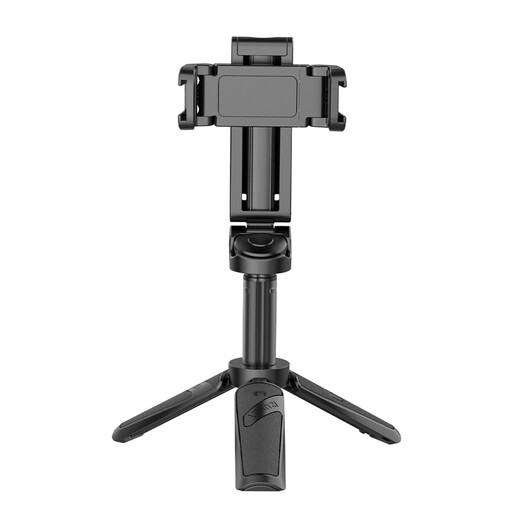
Why this model? Ideal for those who want a lightweight, easy-to-carry, all-in-one solution. It serves as a grip, selfie stick, and tripod, covering all the essentials for travel vlogging or group photos without being weighed down by heavy gear.
It sidesteps the complexity trap. No mandatory app or tedious calibration. Just clip on your phone, connect via Bluetooth for the remote, and you're good to go. Its simplicity is its greatest strength.
3-in-1 versatility: grip, selfie stick, and tripod. Feather-light: only 118g. Detachable remote with a 10m range.
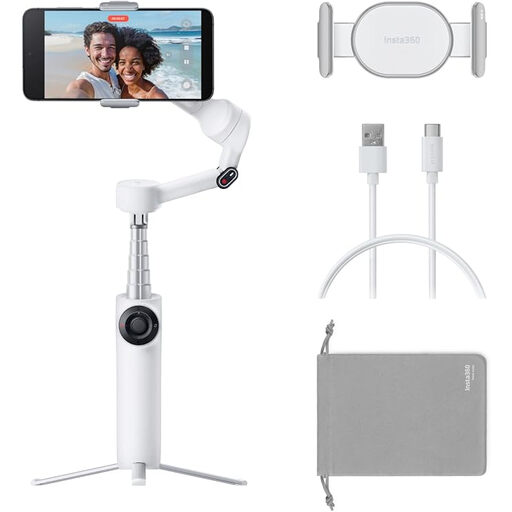
Why this model? Designed for creators who demand cinematic results. Its 3-axis stabilization and advanced smart tracking let you focus on your content, not the tech. It's a true pocket-sized studio for vlogging, sports videos, or family memories.
It avoids the "fake AI" trap. According to Insta360, its tracking remains precise even when zoomed in and can follow multiple people at once. Gesture control and animal tracking are concrete features that go beyond mere gimmicks.
3-axis stabilization for perfect smoothness. All-in-one features: built-in tripod, selfie stick, and power bank. Smart tracking (multi-person) and gesture control.
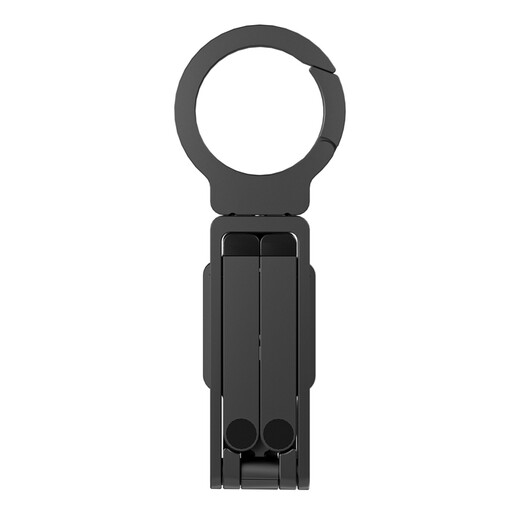
Why this model? Perfect for iPhone users (12 and later) who prioritize speed and convenience. This **MagSafe mount** offers instant magnetic attachment with no clamps. It unfolds into a mini-tripod or folds into a grip, making it an excellent **smartphone video stand** for video calls, live streams, or on-the-fly shots.
It shatters the pitfall of a cumbersome setup: the magnetic attachment is instantaneous. It also avoids the pitfall of fragility thanks to its aluminum construction, which is far more robust than entry-level plastics.
Ultra-fast MagSafe attachment. Robust and lightweight aluminum construction. Foldable and portable design, with a carabiner to clip it anywhere.
We've curated a complete, up-to-date selection of products that meet our strict selection criteria and current safety standards.
A 2-axis stabilizer compensates for vertical tilt and roll. A 3-axis model adds compensation for panning movements. For truly smooth videos, especially while walking, 3-axis stabilization is practically essential. It erases most jitters and delivers that coveted professional look.
Absolutely. It's a huge plus. A built-in smartphone tripod allows you to place your setup on any flat surface to shoot static shots, interviews, timelapses, or simply to film yourself hands-free. There's no need to carry a separate tripod, which is a major advantage for on-the-go content creators.
That's an excellent question. Most stabilizers are built to last. The key is to check two things: the maximum payload and the clamp width. As long as your future phone (with its case) doesn't exceed these limits, it will remain compatible. Models with wide clamps and a generous payload (around 250-300g) are a good long-term investment, capable of adapting as smartphone sizes evolve.