
Livraison le jour même ou le lendemain

Qualité garantie

Débloquez vos offres de bienvenue: Livraison GRATUITE | Jusqu'à -80 % | 30 jours d'essai gratuits à JoyPlus
Téléchargez l'application
For any pet owner, their animal's well-being is the number one priority. But between long days at the office and weekend getaways, managing mealtimes can quickly become a headache. The smart pet feeder has emerged as the perfect solution for serving perfectly portioned meals right on schedule. A word of caution, however: the market is flooded with models making tempting promises, and it's easy to be won over by a device that proves to be more trouble than it's worth.
To avoid disappointment, here are the 3 most common pitfalls to watch out for before you buy:
To help you see more clearly, focus on a few fundamental points. These criteria will allow you to separate the wheat from the chaff and find the smart feeder for cats and dogs that will genuinely make your life easier.
The hopper's capacity is a good starting point. A 4L kibble feeder, for example, offers several weeks of autonomy for a cat, which is perfect for when you go on holiday. But don't be swayed by capacity alone! The most important feature is the dispensing mechanism. Prioritise models designed to prevent jams, for instance, with a rotating, flexible silicone wheel or a system that stirs the kibble to prevent clumping. A good indicator of reliability? Compatibility with a wide range of kibble sizes (typically between 2 and 15 mm).
Flexible scheduling is the heart of a great programmable food dispenser. A good model should allow you to:
The ability to feed your pet remotely via a stable and intuitive mobile app is obviously a major plus. Check that the app sends reliable notifications (meal served, low food level, low battery, etc.) for complete peace of mind.
Often overlooked, hygiene is a critical factor. Insist on a device where the parts that come into contact with food are removable and made from safe, easy-to-wash materials.
We've scoured the market with these criteria in mind. Here are a few models that stand out from the crowd and meet specific needs.
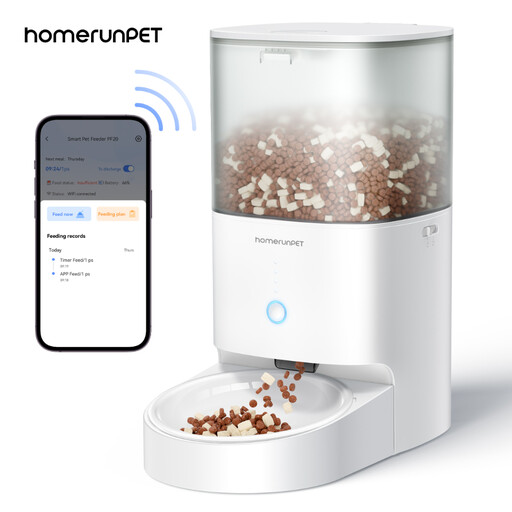
Why it's a great choice: Perfect for professionals on the go or travellers who demand a reliable solution with impeccable hygiene. Remote control via the app lets you manage your companion's meals from anywhere, ensuring total peace of mind.
Fully disassemblable, it solves the cleaning headache. Its food-grade ceramic bowl eliminates health risks. The dispensing mechanism is designed to minimise jams, and its dedicated app ensures stable, hassle-free control.
Dual power supply (mains + long-life battery up to 6 months) for foolproof reliability, even during a power outage. Includes a ceramic bowl—a premium, hygienic material recommended for sensitive pets.
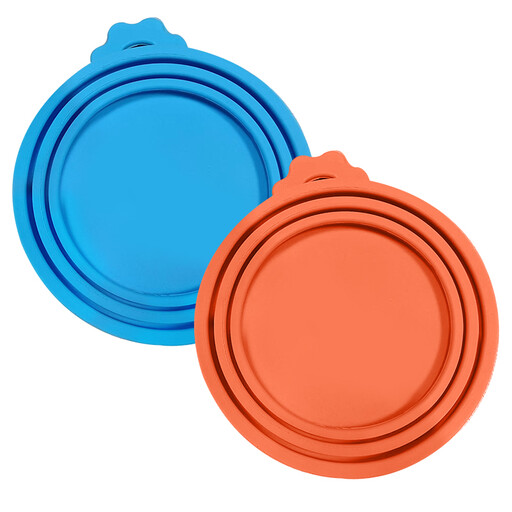
Why it's a great choice: For those who supplement kibble with wet food, managing opened cans is a constant headache. This simple yet clever accessory solves the problem of preservation and hygiene in one fell swoop.
It puts an end to waste and loss of freshness in wet food. No more plastic wrap that's never truly airtight! These silicone lids fit most standard cans for perfect storage in the fridge.
An ultra-practical 2-in-1 accessory with its paw-shaped can opener and airtight lids. It keeps wet food fresh for longer and stops odours from spreading in your refrigerator.
Discover our complete selection of products that meet our standards for reliability and hygiene.
Yes, the risk is very real, especially with entry-level models. To avoid this, choose a robust dispensing mechanism (silicone wheel, wide auger screw) and check its compatibility with your kibble's size and shape. Regular cleaning is also crucial to prevent blockages caused by crumbs and kibble dust.
No, not necessarily. Most good models save the feeding schedule to their internal memory. This means that even if the Wi-Fi goes down, your pet will still receive its meals on time. However, a connection is essential for changing the schedule remotely, triggering a manual feeding, or receiving alerts on your smartphone.
Its longevity directly depends on the quality of its materials and motor. A well-designed model with sturdy ABS plastics and stainless steel or ceramic parts can easily last for several years. Regular maintenance (a full clean every 2 to 4 weeks) is, of course, essential to preserve the mechanism and ensure its durability.