
Same-day & Next-day Delivery

Quality Guaranteed

Unlock Your Welcome Offers: FREE Delivery | Up to 80% OFF | Free 30-day JoyPlus trial
Download the APP
By Joybuy, your product recommendation expertPublished August 26, 2026
Bringing a touch of green into our apartments or onto our desks is a dream for many of us. But between hectic schedules and a serious lack of a green thumb, keeping a plant alive can sometimes feel like an uphill battle. This is where the smart flower pot comes in?: the promise of nearly automatic care, with a touch of modernity as a bonus.
However, the market is flooded with gadgets that, behind a high-tech facade, often hide deal-breaking flaws. Before you make a purchase, it's crucial to know how to navigate the most common traps to avoid any unpleasant surprises.
To make the right choice, design isn't enough. It's the technical specifications that separate a simple gadget from a true gardening assistant for your plants.
To ensure effective automatic plant care and a successful experience, three technical points should be examined closely.
The intelligence of a connected flower pot relies entirely on the quality and variety of its sensors. A good model does more than just measure the water level. It must include, at a minimum?:
Beyond simple monitoring, the user experience is essential. A good interactive plant robot must communicate the plant's needs in a clear and engaging way.
As with any electronic device, safety is not optional. Make sure the product has the mandatory European certifications?:
To help you see how these criteria apply in practice, here are a few models that suit different user profiles.
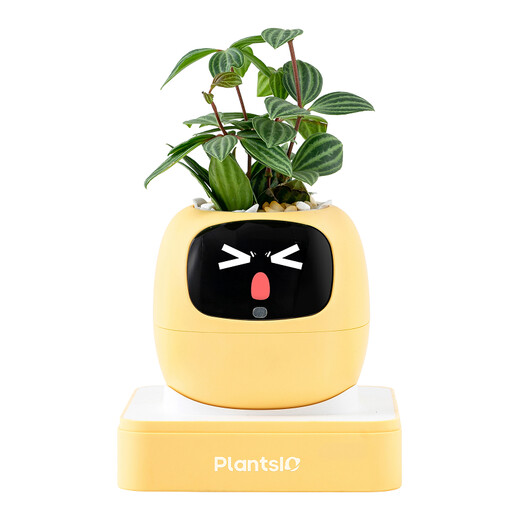
Why we chose it : Ideal for adding a touch of nature and serenity to a desk without increasing mental load. Its facial expressions offer a welcome micro-break and make it an excellent anti-stress desk gadget.
This is no mere gadget. Its multiple sensors (moisture, water, light) provide true automatic plant care, perfectly suiting the time-strapped professional.
It combines autonomous care with emotional feedback through over 80 expressions, turning the plant into a genuine interactive plant companion.
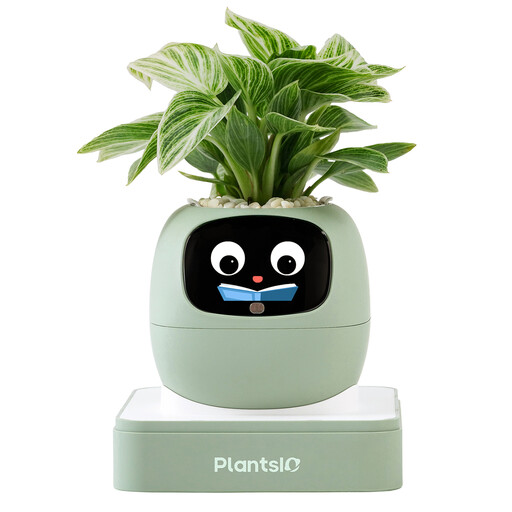
Why we chose it : This is the epitome of a **unique high-tech gift**. It playfully merges nature and robotics, making it a perfect conversation starter for new technology lovers.
Its 2000 mAh battery provides very respectable autonomy for desk use, avoiding the frustration of a device that needs to be constantly plugged in.
The interactive experience is truly rich : the pot reacts to touching the leaves or gentle taps, strengthening the emotional connection and the "pet plant" feel.
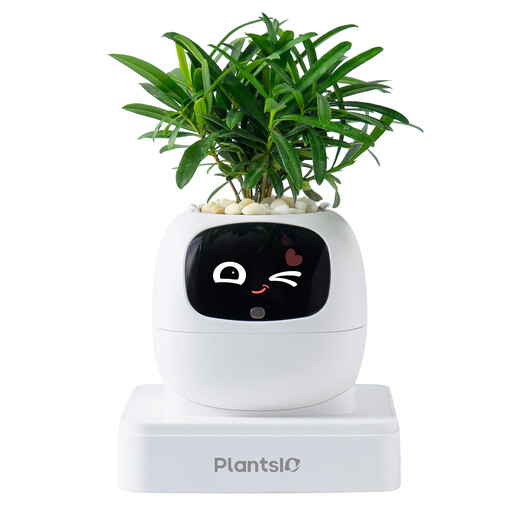
Why we chose it : It eliminates the fear of failure for those without a green thumb. The pot clearly communicates the plant's needs, turning maintenance into a simple and fun learning experience.
Unlike basic models, its precise and varied sensors (light, moisture, water) provide a complete diagnosis, ensuring the plant's true needs are met.
It makes gardening accessible and takes the drama out of care. Its facial expressions (thirsty, happy, needs sun) are a perfect guide for learning how to care for a plant.
We've compiled a complete, up-to-date list of products that meet these strict selection criteria and current safety standards.
Battery life varies greatly depending on the model and its battery capacity. For a model like the Ivy AI robot, its 2000?mAh battery gives it about 8 hours of autonomy under normal use. It's designed to be placed on a desk or near an outlet and recharges easily with a standard USB cable, just like a smartphone.
No, most of these pots are designed to accommodate small, common indoor plants. The crucial point is to choose a plant whose root ball is compatible with the size of the inner pot (usually around 5 to 6?cm in diameter). Succulents, small begonias, fittonias, or even herbs are excellent choices to start with.
Generally, setup is very simple. Just place your plant in the provided inner pot, fill the water reservoir, and turn on the device. The interactions are designed to be intuitive, and a user manual is always included to guide you step-by-step.