
Livraison le jour même ou le lendemain

Qualité garantie

Débloquez vos offres de bienvenue: Livraison GRATUITE | Jusqu'à -80 % | 30 jours d'essai gratuits à JoyPlus
Téléchargez l'application
Oral hygiene has entered a new era: the age of smart brushing. The smart electric toothbrush is no longer a gimmick, but a true personal coach for optimising your routine. But with an overwhelming number of options and dense technical jargon (app-based tracking, artificial intelligence, position sensors…), it can be hard to know where to start.
This guide breaks down the essential criteria and presents our selection of the best models to help you make the right choice—one that truly fits your needs.
Before diving into our top picks, let's review the criteria that separate a great smart toothbrush from a mere gadget. Here are the key points to consider.
The market is dominated by two competing technologies?:
A toothbrush with an app offers precise tracking of your habits. The most useful features include?:
Whether at home or travelling, battery life is a key convenience factor. A good rechargeable electric toothbrush should last at least two weeks on a single charge. For those on the go, accessories make all the difference?: a travel case that doubles as a charger is a real bonus.
We have selected three models that stand out for their technology, innovations, and vision for connected brushing.
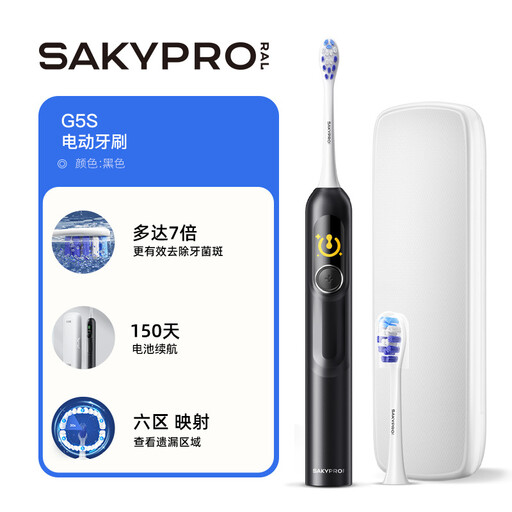
Why it stands out: This model features a colour screen directly on the handle, providing real-time feedback without you having to pull out your smartphone. Add to that integrated mapping and record-breaking battery life, and you have an ultra-practical model for daily use.
Pros:
Who is it for? For tech enthusiasts who want instant feedback without using the app, and for anyone tired of constantly recharging their toothbrush. Ideal for hassle-free daily use and long trips.
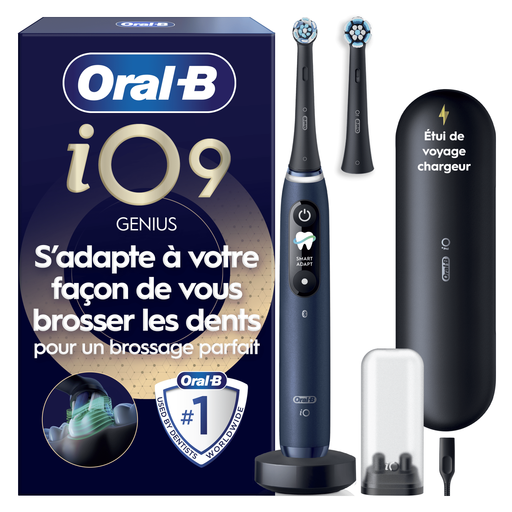
Why it stands out: The Oral-B iO 9 is the flagship of oscillating-rotating technology. Its secret? The addition of gentle micro-vibrations that transform brushing into an experience that is both powerful and surprisingly gentle.
Pros:
Who is it for? For fans of oscillating-rotating technology who want a "professional-level" clean at home and ultra-precise coaching to perfect their technique.
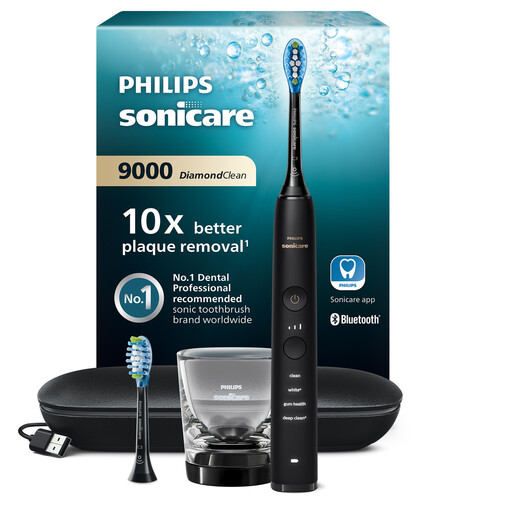
Why it stands out: A benchmark in sonic technology, the Philips Sonicare DiamondClean 9000 focuses on personalisation and elegance. With 4 modes and 3 intensities, it offers 12 brushing combinations for a tailor-made experience, all delivered with a premium design and accessories.
Pros:
Who is it for? For those seeking a premium, customisable experience with a focus on smile aesthetics (whitening, gum care) and product design.
Is portability your number one criterion? If you're looking for a model that's easy to travel with, many toothbrushes, from the most basic to the most sophisticated, come with a travel case.
Discover our selection of toothbrushes with cases
1. What is the difference between a sonic and an oscillating-rotating toothbrush?Sonic technology relies on very high-frequency vibrations that create a hydrodynamic cleaning action, which is particularly effective between teeth. Oscillating-rotating technology uses a round brush head that rotates and oscillates to clean each tooth mechanically. The choice depends on your preference?: a gentle, fluid action (sonic) or an intense polishing sensation (oscillating-rotating).
2. Is a pressure sensor on an electric toothbrush really useful? Absolutely. In fact, it's one of the most useful features. Brushing too hard is a major cause of gum recession and enamel wear. The pressure sensor provides real-time feedback to teach you how to apply the right amount of force, protecting your smile in the long run.