
Livraison le jour même ou le lendemain

Qualité garantie

Débloquez vos offres de bienvenue: Livraison GRATUITE | Jusqu'à -80 % | 30 jours d'essai gratuits à JoyPlus
Téléchargez l'application
Is your cat snubbing its water bowl? It's an ancestral instinct. In the wild, felines are instinctively wary of stagnant water, which they associate with being a breeding ground for bacteria. A modern cat waterer, like a fountain, stimulates this instinct by offering a constant, much more appealing flow of fresh, oxygenated water.
However, the market is flooded with models making tempting promises. As experts in the Home & Automation section, our mission is to help you cut through the noise. Here are the 3 most common pitfalls to be aware of to avoid buyer's remorse.
To choose the cat water dispenser that will delight your pet (and your ears) for years to come, focus on these three key points.
silent cat water fountainNoise is the number one complaint. A truly silent fountain should operate below 30 decibels (dB). To give you some perspective, that's as quiet as a whisper. Look for this information on the product's technical sheet: the noise level in decibels. Models with magnetic drive or wireless pumps are generally the quietest and most reliable.
water fountain with a filterNot all filters are created equal—far from it. A multi-layer filtration system is essential to ensure healthy water. Look for models that offer multi-stage filtration, which typically combines:
mobile app really useful?A smart cat water fountain—just a gimmick? Not necessarily. A well-designed mobile app brings real-world benefits:
To help you make the right choice, we've selected models that brilliantly avoid these pitfalls.
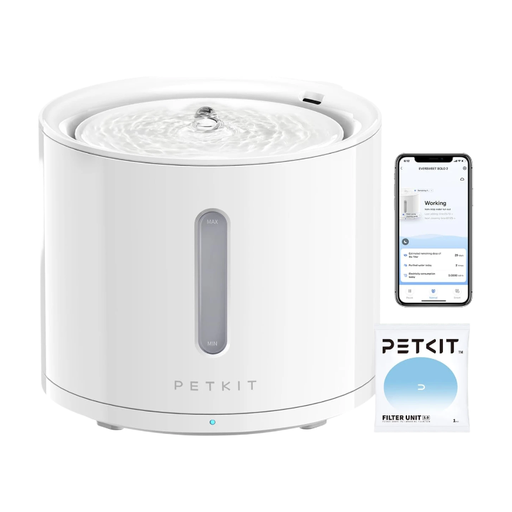
Editor's Take: Perfect for discerning owners who want near-monastic silence and simplified management via a comprehensive app. The PETKIT ecosystem is a real bonus for holistic pet health tracking.
The wireless magnetic drive pump operates at just 25 dB, making it virtually inaudible. The PETKIT app sends filter change reminders, preventing oversights and unpleasant surprises.
Ultra-quiet operation, an effective triple filtration system, and full control via the app (modes, reminders).
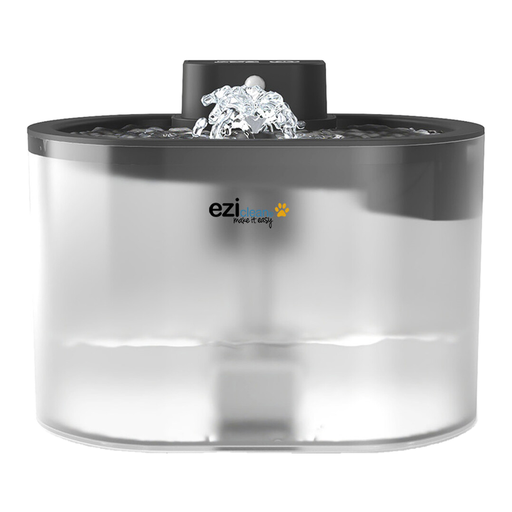
Editor's Take: Ideal for those who value flexibility above all. Its rechargeable battery allows you to place it anywhere without worrying about outlets, and its smart sensor optimises battery life.
The infrared sensor only activates the pump when the cat approaches, which limits wear and noise. The Li-ion battery provides ample runtime, which is very handy during a power outage or for placement far from an outlet.
Runs on a rechargeable battery, features a smart mode with a presence detector, and offers Bluetooth/Wi-Fi connectivity for monitoring.
Editor's Take: For owners whose top priority is safety. Its ingenious design completely separates water from electricity, eliminating all risks and radically simplifying cleaning.
The wireless magnetic induction water pump ends the cleaning headache and electrical hazards. The tank and pump can be completely removed and submerged for a deep clean, with no electrical contacts involved.
Maximum safety with water/electricity separation, ultra-simple cleaning thanks to removable parts, and a 304 stainless steel tray for perfect hygiene.
We've curated a complete selection of products that meet our strict selection criteria and current safety standards.
To ensure impeccable hygiene and prevent biofilm buildup (a thin layer of bacteria), it's recommended to deep-clean the fountain once a week. Disassemble all removable parts (tank, tray, pump) and wash them in warm, soapy water. Rinse thoroughly before reassembling.
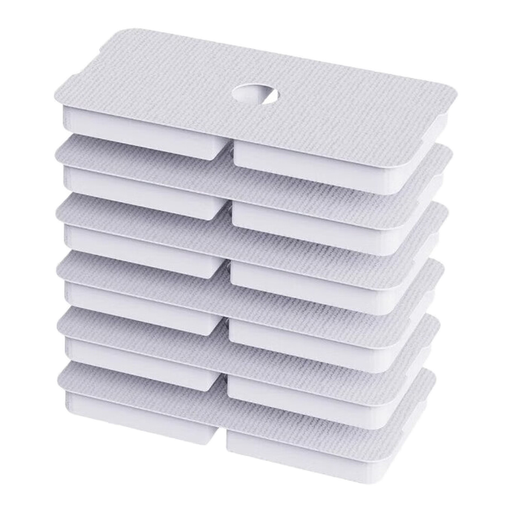
A filter's lifespan varies depending on the model and your water quality, but it's generally 2 to 4 weeks. The apps for smart fountains will send you a notification to remind you to change it. You can find compatible replacement filters directly on the product pages or in our dedicated category.
Unusual noise usually has two causes: