For a very narrow utility room
Stacking two appliances takes up less width. However, you’ll need a suitable floor, a kit compatible with both model numbers, and a tumble dryer that remains accessible when positioned above the washing machine.


If you’re short on floor space but have enough height and access, consider stacking your appliances only if you have a kit confirmed as compatible with both models. A washer-dryer is a good option when you have room for just one appliance, provided its drying capacity is enough for your loads. Two appliances side by side are another option if the room is wide enough and you want to wash one load while another dries. In every case, measure the available space and check the connections, clearance and access needed for maintenance.
The number of spaces available will help guide your choice, but your setup also needs to suit the room and be practical to use.
Stacking two appliances takes up less width. However, you’ll need a suitable floor, a kit compatible with both model numbers, and a tumble dryer that remains accessible when positioned above the washing machine.
A washer-dryer combines both functions, so there’s no need to move laundry between appliances. Compare its drying capacity with the amount you usually dry, rather than looking only at its washing capacity.
If you have enough width, two appliances side by side let you start a wash while another load is drying. Also check that there’s enough room to open the doors and maintain each appliance.
Worth considering: when floor space is limited, there’s enough height and the kit is confirmed as compatible with both appliance model numbers.
Trade-off: the controls and maintenance access for a tumble dryer positioned up high may be less convenient.
Worth considering: when you have room for just one appliance and its drying capacity suits the loads you plan to do.
Trade-off: the capacity for a wash-and-dry cycle may be lower than for washing alone, as shown by the Bosch WDU8H500FF, which is listed as 10 kg for washing and 6 kg for a wash-and-dry cycle.
Worth considering: when there’s enough width for two appliances and you want to wash and dry separate loads at the same time.
Trade-off: this arrangement takes up more floor space than stacking the appliances.
| Consideration | What to check | What I need |
|---|---|---|
| Stack stability | Check that the kit is compatible with the model numbers of both the washing machine and tumble dryer, not just their dimensions. For a stacked setup, UFC-Que Choisir recommends front-loading appliances of similar dimensions, with the washing machine placed on a flat, rigid and solid floor. | I want to save width without choosing a setup that the kit manufacturer hasn’t approved. |
| Space and access | Measure the width, depth and height, then check that there’s room to open the doors and access the controls, filters and connections. | The setup needs to remain practical once the appliances are installed, even with the doors open. |
| Drying capacity | For a washer-dryer, compare the washing and wash-and-dry capacities separately with your loads. Bosch’s product information for the WDU8H500FF lists capacities of 10 kg and 6 kg respectively. | If I want to wash and dry without removing any laundry, my load needs to fit within the capacity for the full cycle. |
| Tumble dryer installation | Check the type of tumble dryer before planning the connections. According to UFC-Que Choisir, a vented model needs an opening to the outside or access to a ventilation duct, unlike a condenser model. | If there’s no suitable external vent in the room, I need to choose an appliance that can be installed in the space available. |
Similar dimensions don’t confirm that a kit is suitable for both models. For example, Bosch states that its WTZ280X kit is intended for a washing machine with a depth of over 55 cm and that it must be suitable for the tumble dryer too.
Note down the full model numbers of both appliances and check them with the kit manufacturer before ordering.
A washer-dryer may take less laundry for a complete wash-and-dry cycle than for washing alone. Bosch’s product information for the WDU8H500FF lists 10 kg for washing and 6 kg for a wash-and-dry cycle.
Compare the capacity for a complete cycle with the amount of laundry you plan to dry without removing part of the load.
An appliance may fit in the room but leave too little space to open its door or reach the controls and filters.
Plan the layout with the doors open, and make sure you can access the connections and parts that need maintenance.
According to UFC-Que Choisir, this type of tumble dryer needs an opening to the outside or access to a ventilation duct.
Check what’s possible in the room and refer to the installation instructions. If there’s no suitable outlet, consider a condenser model instead.
These range and accessory examples highlight useful checks to make. Compatibility for a stacked setup depends on the specific models you choose.
Bosch offers stacking kits and washer-dryers, including the WDU8H500FF.
Electrolux offers the E1WYHSK2 kit, which includes a sliding shelf for stacking the brand’s front-loading appliances.
Whirlpool offers washer-dryers that combine washing and drying in a single appliance.
These appliances combine washing and drying in a single space. Pay particular attention to how their drying capacity compares with your loads, then check the dimensions and clearance needed in your room.
 Image unavailable
Designed for a single space, this model has a 10 kg washing capacity and a 6 kg drying capacity. Compare the 6 kg drying capacity with your usual loads, and check the dimensions and connections needed for installation.
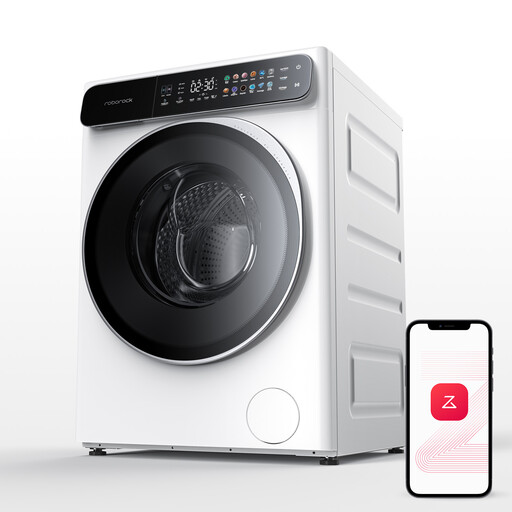 Image unavailable
This model combines both functions in one appliance, with a 10 kg washing capacity and a 6 kg drying capacity. Check that the drying capacity and installation space suit your needs.
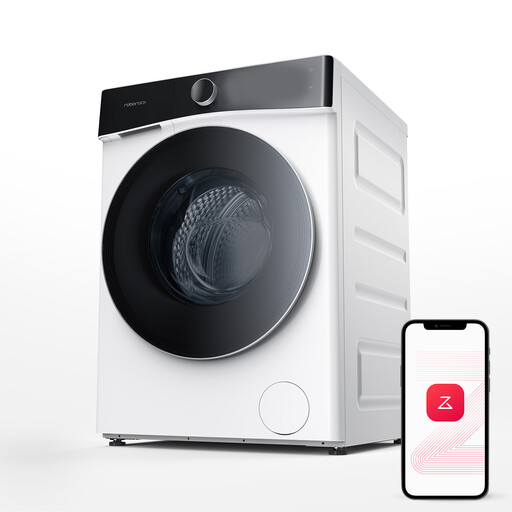 Image unavailable
For a one-appliance setup, this model has a 10 kg washing capacity and a 6 kg drying capacity. Compare the drying capacity with your loads and check the space needed around the machine.
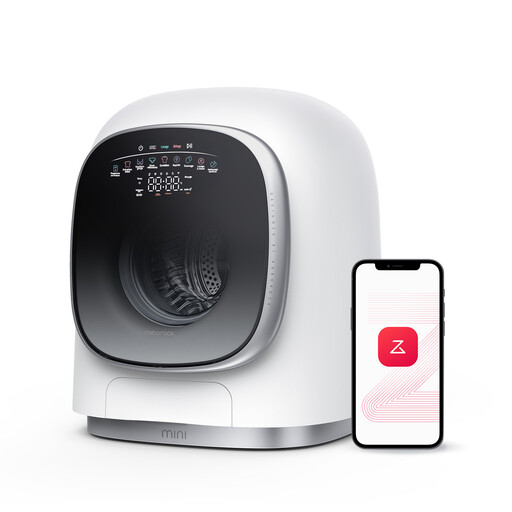 Image unavailable
This washer-dryer is designed for small loads, with a 1 kg washing capacity and a 0.5 kg drying capacity. Check that these capacities suit the intended use, and make sure there’s enough space and clearance for installation.
 Image unavailable
This freestanding model has an 11 kg washing capacity and a 6 kg drying capacity, all in one appliance. If you plan to run a complete cycle, use the 6 kg drying capacity as your guide and check the required clearance and connections.
No. For a stacked setup, UFC-Que Choisir recommends front-loading appliances of similar dimensions, fitted with a suitable kit. Check both appliance model numbers with the kit manufacturer: matching widths alone don’t confirm compatibility.
Measure the available width, depth and height, then check the space needed to open the doors and access the controls, filters and connections. Also make sure the washing machine can sit level on a flat, rigid and solid floor, as recommended by UFC-Que Choisir.
Not necessarily. Compare the capacity for a wash-and-dry cycle with the capacity for washing alone. For example, Bosch lists the WDU8H500FF as 10 kg for washing and 6 kg for a complete cycle. Any load you plan to wash and dry in one go must fit within the lower limit.
Yes, but only if the installation has the required outlet. According to UFC-Que Choisir, this type of appliance needs an opening to the outside or access to a ventilation duct, unlike a condenser tumble dryer. Check the model’s instructions and what’s possible in the room.