Frequent reheating and defrosting
If you mainly reheat leftovers or defrost portions, a compact microwave is well suited to the job without requiring oven-style cooking. Just check that your plates and containers fit on its turntable.


Choose based on what you prepare most often: a microwave for reheating or defrosting, a hob for cooking in a frying pan or saucepan, and a mini oven or air fryer for small dishes that need cooking or browning. Keeping your existing oven makes sense if you also use large dishes or cook several portions at once. Before adding an appliance, check how much space it will take up, the actual size of your portions and, if electricity use matters to you, look for tests using comparable dishes and quantities.
If you mainly reheat leftovers or defrost portions, a compact microwave is well suited to the job without requiring oven-style cooking. Just check that your plates and containers fit on its turntable.
For vegetables, side dishes or other small preparations that need dry heat, compare a mini oven and an air fryer based on the shape of your dishes, the usable space inside the oven or basket, and how easy each is to clean after use.
If you alternate between frying, saucepan cooking, reheating and oven cooking, start with the appliances you already own. Then measure the space available for any extra appliance and check the clearance requirements in its instructions.
For everyday small portions, first decide which cooking method you need; the stated capacity alone isn’t enough to compare appliances.
Choose it if: you mainly reheat or defrost portions.
Bear in mind: a solo model doesn’t offer the dry-heat cooking modes of an oven.
Choose it if: your small dishes need an oven-style cavity and temperature settings.
Bear in mind: even a compact cavity takes up worktop space, so measure carefully.
Choose it if: you often cook quantities that fit in its basket.
Bear in mind: the capacity in litres doesn’t tell you by itself whether your dish or portion will fit.
Choose it if: you mainly cook meals in a frying pan or saucepan.
Bear in mind: it can’t replace an oven cavity for dishes that need baking or browning under the grill.
Keep it if: you also use large tins or cook several portions at once.
Consider: for a single small portion, any preheating and the cooking time are relevant to the comparison.
| Criteria | What to check | Who is it for? |
|---|---|---|
| Cooking method | Identify how you’ll use it most: reheating, defrosting, cooking on a hob or baking in an oven cavity. Check the functions of the model you’re considering. | If I often reheat leftovers but sometimes want to brown a dish, I need to know which use comes first before choosing. Around 36% of consumers would prioritise having the right cooking method. |
| Space and usable capacity | Measure your worktop and containers; check the usable dimensions and clearances specified in the instructions. | In a small kitchen, I want the appliance to fit without needing several batches for my usual portion. Space and usable capacity would be priorities for around 28% of consumers. |
| Electricity per dish | Compare tests using recipes and quantities similar to yours, taking preheating and cooking time into account. | When I often prepare just one small dish, I want to compare the electricity used for that dish rather than annual figures based on different usage. Around 22% of consumers would put this comparison at the top of their list. |
| Cleaning and after-sales service | Check which parts need cleaning, whether replacement parts are available and the terms of any applicable warranties. | If I use the appliance almost every day, ease of cleaning and the ability to resolve a problem matter from the moment I buy it. For around 14% of consumers, this would be the main priority. |
The figures published by ADEME for hobs, ovens and microwaves are based on different frequencies and durations of use. They don’t tell you how much electricity your portion will need.
To compare two appliances, look for a test using a recipe, quantity and cooking conditions close to the way you’ll use yours.
In a test published by UFC-Que Choisir in 2024, the air fryers tested used an average of 36% less electricity than a mini oven to cook a small quiche lorraine, using the same quantity. The result depends on the recipe and the appliances being compared.
Check the dish and test method before applying the result to your own cooking. A percentage quoted for one model won’t apply to every type of cooking.
The stated capacity doesn’t tell you the size of the turntable, basket or surface that holds a baking tin, or how much room the appliance will take up in your kitchen.
Measure your usual dishes and your worktop, then check the usable dimensions and installation instructions for the exact model.
In France, the Ministry of the Economy explains that the statutory conformity guarantee applies to new, second-hand and refurbished goods sold by a business to a private individual. It is the seller’s responsibility and is separate from a commercial warranty.
Keep the product description and proof of purchase, and check who the seller is before placing your order. If you’re replacing an old appliance, also find out about any take-back options available.
A useful option to compare if you’re looking for a compact air fryer with a basket and cleaning requirements suited to your usual portions.
Worth considering if you’re looking for an air fryer with several stated modes rather than an appliance mainly for reheating.
An option to look into if you’re after a small cooking cavity with adjustable temperature.
Consider this if your main use for a microwave is reheating or defrosting.
These appliances suit three of the uses covered here: air frying, microwave reheating and cooking on an induction hob. Start by choosing the use that comes up most often when you prepare meals.
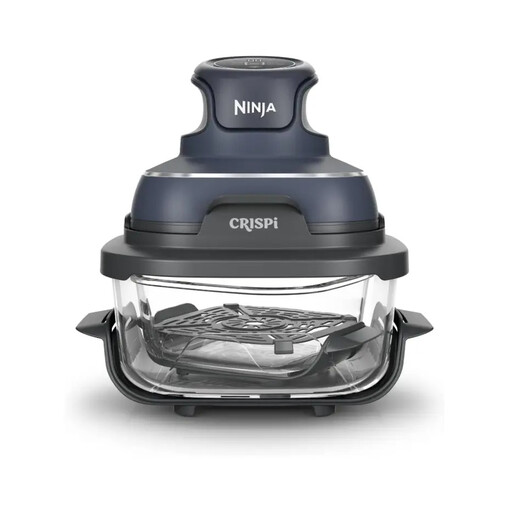 Image unavailable
Worth considering for small dishes cooked with hot air, rather than for reheating alone. Before making room for it, check the product details and instructions for the usable dimensions of containers and the required installation clearances.
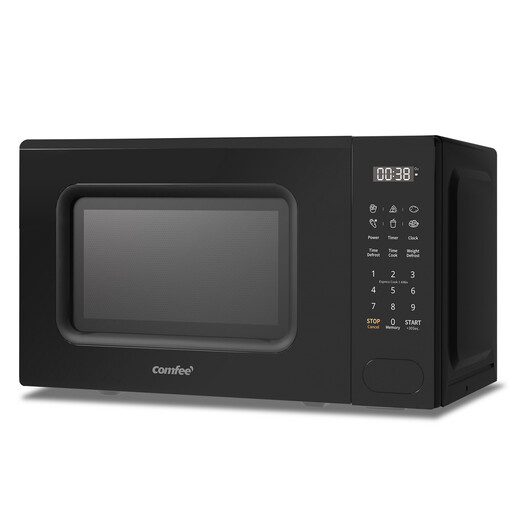 Image unavailable
Worth considering if you often reheat or defrost small portions. The product name lists 11 power levels and a defrost function. Check the turntable diameter, whether your plates will fit and the installation instructions.
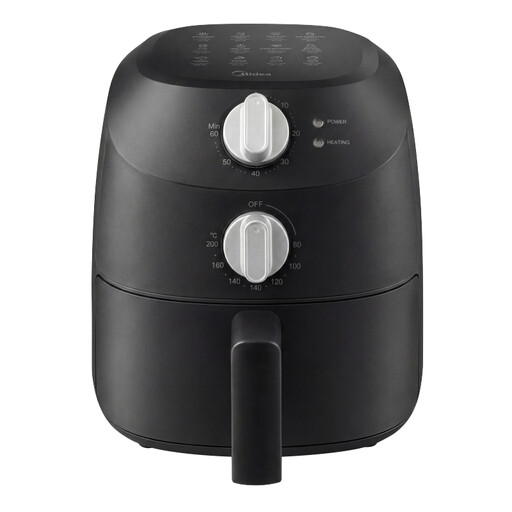 Image unavailable
Consider this if your usual dish will fit in a 2 L basket. The product name lists a non-stick basket and dishwasher-safe parts; also check the basket’s usable surface area and the appliance’s overall size.
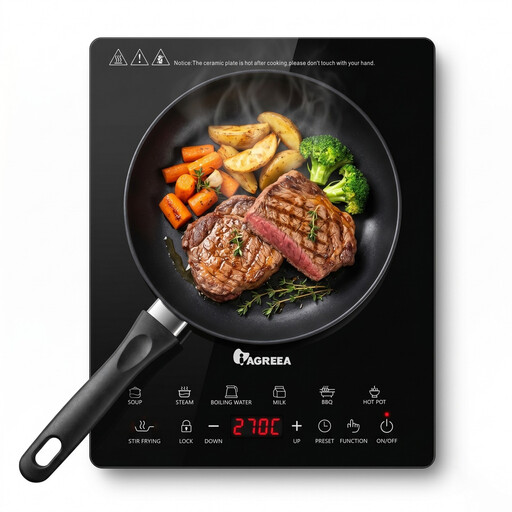 Image unavailable
Worth considering if you cook small portions in a frying pan or saucepan. The product name lists compatible cookware measuring 12 to 26 cm and eight power levels. Check the base of your cookware and the electrical rating and instructions for this version before use.
No. The result depends on factors including the recipe and the model. In a 2024 test of a small quiche lorraine cooked in the same quantity, UFC-Que Choisir found that the air fryers tested used an average of 36% less electricity than a mini oven. Look for a test using food similar to what you cook before drawing conclusions for your own kitchen.
No. ADEME’s annual figures cover appliances used at different frequencies and for different lengths of time; they don’t measure the electricity needed to cook a specific dish. For a small portion, compare tests using the same recipe and an equivalent quantity instead.
In France, the statutory conformity guarantee applies to new, second-hand and refurbished goods sold by a business to a private individual, according to the Ministry of the Economy. Contact the seller and keep the product description and proof of purchase. This guarantee is separate from a commercial warranty.