What should you look for?
Start with a recipe your child might accept and any ingredient restrictions you need to consider. Then compare the net weight and nutritional information of specific products, rather than relying on the sauce name alone.
| Criteria | What to check | Who is this for? |
|---|
| Flavour and texture |
Read the ingredients, especially the vegetables, onion, garlic and cheese, and check whether the texture is one your child is happy to try. |
When my child is unsure about an unfamiliar flavour or pieces of food, I prefer to offer a small amount without forcing them. Around 33% of consumers would make this first introduction their priority. |
| Allergens and school |
Check the allergens on the packaging of the exact product. If it is for a school meal, also ask about the school’s guidance and check any individualised support plan (PAI) that may apply. |
If an ingredient needs to be avoided or the meal is going to school, I need to know exactly which recipe meets the relevant guidance. Around 25% of consumers would put this check ahead of other criteria. |
| Pack size and leftovers |
Compare the net weight with the amount of sauce you actually use, and read the storage instructions after opening. “Small pack” does not mean “single portion”. |
For a meal where only a little sauce will be served, I look for a container that will not leave too much over. Around 25% of consumers would prioritise this first. |
| Ingredients and salt |
Compare the ingredients lists and nutritional values on the same basis, particularly the salt per 100 g. |
When choosing between several recipes, I want to compare their ingredients rather than assume what they contain from the word “vegetables”. This would be the main criterion for around 17% of consumers. |
Pasta sauces available on Joybuy
These two small packs are pestos to serve with pasta, rather than the cooked tomato sauces mentioned above. Their net weights may suit households that serve only a little sauce, but the pack size alone cannot tell you whether your child will like the flavour or whether it is a single portion.
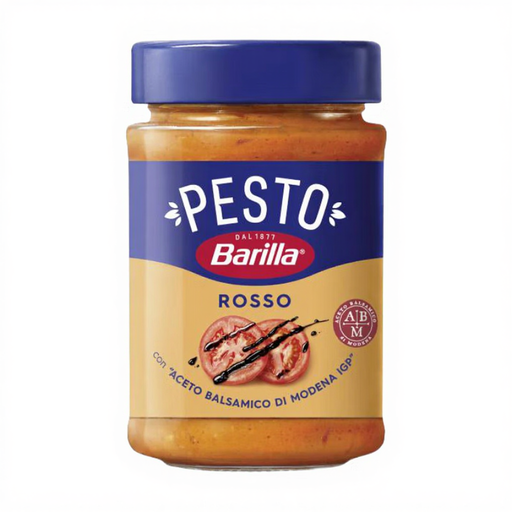 Image unavailable
Barilla Pesto Rosso 200 g
Worth considering if you are looking for a small pack of pesto to serve with pasta and the recipe is suitable for your child.
Stated net weight: 200 g. Check the label on the exact product for milk and almonds, and follow any relevant guidance if the meal is for school. This weight does not guarantee a single portion.
View on Joybuy
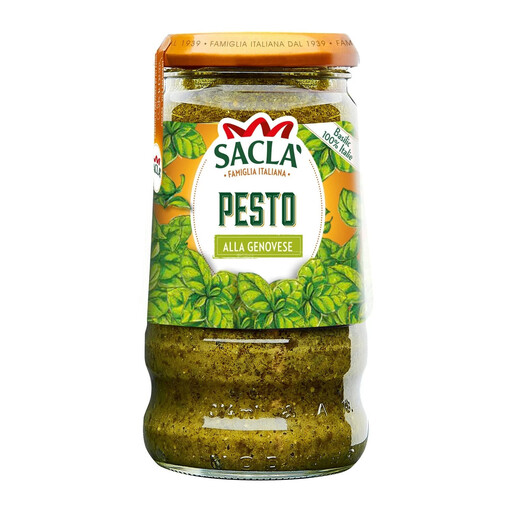 Image unavailable
SACLA Basil Pesto Genovese 190 g
Worth considering if you want a small amount of basil pesto to serve with pasta, provided the recipe is suitable for your child.
Stated net weight: 190 g. Check the label for milk, egg, cashew nuts and any possible traces of other nuts or sesame. This weight does not define a single portion.
View on Joybuy
Frequently asked questions
Does pasta tomato sauce always contain gluten?
No, it depends on the product. Barilla describes its 400 g Tomato Cooking Sauce as gluten-free, while Carrefour lists wheat flour in the 180 g Panzani tube with small vegetables. Check the packaging of the sauce you plan to use.
Is a 180 g container enough for one meal?
Not necessarily: 180 g is the net weight, not a guide to the number of portions. Compare it with the amount of sauce you serve your child and, if you will open the container more than once, read the storage instructions.
How can I offer sauce to a child who often refuses to try it?
You can offer a very small amount without forcing them to eat more. This is the approach recommended by France’s Manger Bouger public health programme when a child resists a meal; choosing a particular container cannot guarantee they will accept the recipe.
Is the label enough to take this sauce to school?
No: the label helps you identify the ingredients and allergens, but you also need to follow the school’s guidance. For a pupil with specific health needs, France’s Ministry of National Education says a PAI can set out the dietary adjustments that apply.
What should you compare on two prepacked sauces?
Start by comparing the ingredients, allergens and net weight, then compare the nutritional values on the same basis, such as salt per 100 g. France’s consumer protection agency, the DGCCRF, says allergens must be highlighted in the ingredients list of prepacked foods.


