If several colleagues have coffee at the same time, a filter coffee machine lets you brew a pot. For staggered breaks and individual drinks, consider a capsule machine instead. A bean-to-cup espresso machine suits a group that wants to use whole beans and can organise its maintenance, while a kettle completes the set-up if tea and infusions are also on the menu. Before choosing, compare each option with the space available, noise levels, consumables and the manufacturer’s guidance on intended use.
Who is each option suited to?
Teams with breaks at the same time
If several people want coffee within a short period, the amount you can brew and access to the water tank matter more than choosing each drink individually. A filter coffee machine is worth considering, provided the amount it makes suits the group’s habits.
People taking breaks at different times
When everyone makes a drink at a different time, a capsule machine lets you prepare one cup at a time. You’ll still need to agree on a capsule system and organise how the capsules are stored and collected.
Teams short on space
In a small office or workshop, the machine needs to be positioned so you can still reach the water and any parts that need emptying or rinsing. If keeping things quiet is important, check the noise level of the model you’re considering, particularly if it has a grinder.
What sets the options apart?
Filter coffee machine
Best for: when several people want coffee at around the same time.
Bear in mind: brewing a pot may be less suitable if breaks are spread out over a long period.
Capsule machine
Best for: making one cup to order, with minimal adjustments.
Bear in mind: your choice of drinks depends on using a compatible capsule system and managing the capsules day to day.
Bean-to-cup espresso machine
Best for: groups that want to use whole beans and are happy to maintain the machine regularly.
Bear in mind: grinding, disposing of coffee grounds and cleaning parts add extra tasks in a shared space.
Kettle
Best for: adding tea or infusions to your coffee options, or for groups that don’t want a dedicated coffee machine.
Bear in mind: it heats water, but won’t brew coffee for you.
| Consideration |
What to check before you buy |
Who is this for? |
| Break times |
Compare how much the machine makes at a time with how often it needs refilling during a busy break. |
If several colleagues are waiting for coffee at the same time, I look for a machine that can handle that short window. Around 36% of consumers would prioritise serving a group this way. |
| Shared maintenance |
Check which parts need emptying or rinsing and how to descale the model. |
When maintenance has to be shared between colleagues, I want tasks that are easy to assign. This would be the priority for around 29% of consumers. |
| Noise and space |
Measure the space, allowing room to open any lids; check the noise level of the exact model if a quiet environment matters. |
In a small room, I don’t want to disturb others while making a drink or take up too much worktop space. Around 21% of consumers would prioritise these considerations. |
| Drinks and consumables |
Decide which drinks you want, then check which consumables are compatible and how to store or collect them. |
If people’s preferences range from coffee to infusions, I look for a solution the group can stock without difficulty. This flexibility would come first for around 14% of consumers. |
What not to overlook
-
Assuming a domestic machine is suitable for every shared use
A small appliance may suit the group’s habits, but that doesn’t mean it’s designed for every level of use. Nespresso, for example, distinguishes its small business range from its consumer machines. This distinction applies to the brand alone and doesn’t set a threshold for other manufacturers.
Estimate how many drinks you’ll need to make during your busiest periods, then check the manual, warranty terms and manufacturer’s guidance for the model you choose.
-
Leaving no one in charge of cleaning
Drip trays need emptying, parts need rinsing and the machine still needs descaling after installation. The French National Consumer Institute advises that appropriate maintenance can help prevent premature breakdowns.
Agree who will take care of everyday tasks and who will follow the descaling instructions in the manual.
You’ll also need to allow time for these tasks and get cleaning products suited to the model.
-
Choosing a grinder without considering where it will go
Grinding and disposing of coffee grounds add noise and extra handling respectively. A noise-reduction feature advertised for a particular model doesn’t mean it will operate silently in your room.
If people work nearby, check the information or reviews for the exact model and find out how to empty its grounds container.
-
Forgetting what happens to used capsules
Making drinks individually doesn’t remove the need to store and dispose of capsules. Nespresso describes capsule collection schemes, but how useful they are in practice depends on whether they’re accessible where you are.
Before choosing a system, agree who will order, store and collect the capsules, then check what options are available locally.
Brands to know when comparing appliances
Melitta
Melitta’s filter coffee machine range includes different configurations, including models with an integrated grinder. It’s a useful point of comparison if your group is considering brewing a pot.
- For the AromaFresh Pro X, Melitta states that it makes 2 to 10 cups and has a removable water tank. These features are worth comparing with the size of your group’s breaks.
- These features apply to the AromaFresh Pro X, not every Melitta coffee machine or the Melitta Easy Top II featured below.
Nespresso
Nespresso offers consumer capsule machines as well as a separate range for small businesses. For a shared space, choosing a capsule system goes hand in hand with arranging supplies and collection.
- Nespresso describes capsule collection services and descaling instructions for its machines.
- The brand lists the Zenius in its range for businesses that use around twenty coffees a day. This is a commercial guide, not a limit that applies to all machines.
Philips
Philips lets you compare automatic bean-to-cup espresso machines and their cleaning features across different models.
- For the 2300 Series EP2339/40, Philips lists features including hot water and a two-part milk carafe.
- The features and noise claims for the EP2339/40 don’t necessarily apply to the EP2230/10 featured below; check the manual for each variant.
Appliances for different needs
These appliances offer four ways to equip a small shared space: whole-bean coffee, capsules, filter coffee or hot water as an extra. First, compare them with your break schedule and the tasks your group can take on.
 Image unavailable
Philips EP2230/10 2200 Series LatteGo, bean-to-cup espresso machine, black
Worth considering if your group wants to use whole beans and can share the upkeep of a machine with a grinder.
The variant shown is the EP2230/10 2200 Series LatteGo. If a quiet environment or a high level of shared use is important, check the noise level and intended use for this model in its documentation.
View on Joybuy
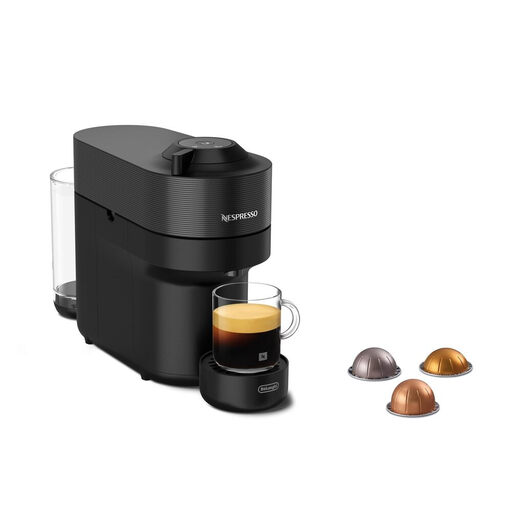 Image unavailable
Nespresso Vertuo ENV90.B Vertuo Pop, 0.6 L, black
For staggered breaks and individual drinks, first check whether Vertuo capsules suit your group’s preferences.
The title specifies a 0.6 L water tank. Plan how you’ll stock and collect the capsules, then check the manual for descaling instructions and intended use.
View on Joybuy
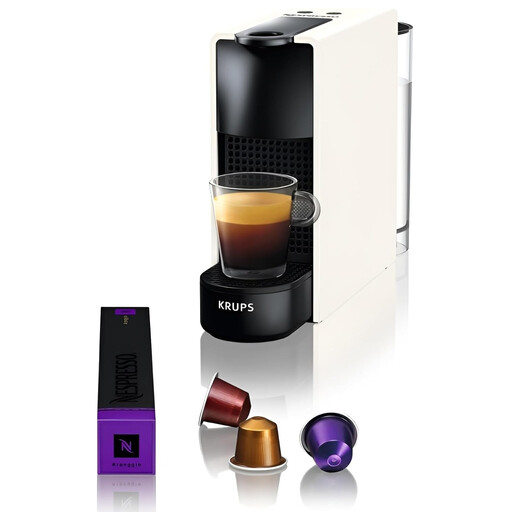 Image unavailable
KRUPS Nespresso Essenza Mini, 0.6 L, 1200 W, white
Worth considering for making one cup at a time in a shared space, after checking that the capsule system suits everyone’s preferences.
The title specifies 0.6 L and a rated power of 1200 W. Check that it’s compatible with your preferred capsules, and read the descaling instructions and usage guidance for this variant.
View on Joybuy
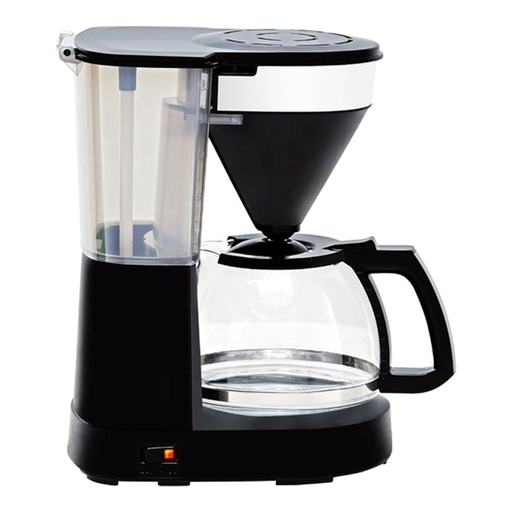 Image unavailable
Melitta Easy Top II, black coffee machine
A filter coffee machine is worth considering when colleagues take breaks at similar times and want to share a pot.
Before choosing this Easy Top II, check the capacity of its jug and the space it needs to fit. Both will determine whether it suits your break schedule and worktop.
View on Joybuy
 Image unavailable
ochama borosilicate glass kettle, 1.7 L, 2200 W
For a group that also wants to make tea or infusions, this kettle heats water; it won’t replace a machine that brews coffee.
The title specifies a 1.7 L capacity, a rated power of 2200 W and automatic shut-off. Check that it fits on your worktop and read the cleaning instructions before setting it up.
View on Joybuy
Frequently asked questions
Do you need a professional machine as soon as several colleagues drink coffee?
The number of colleagues alone isn’t enough to decide: check how often the machine will actually be used and what the model is designed for. Nespresso lists its Zenius in a range for businesses that use around twenty coffees a day, but this brand-specific guide doesn’t set a general limit for domestic machines.
When should you descale a shared capsule machine?
Follow the machine’s manual, taking into account how often it’s used and the water you use. For its own machines, Nespresso recommends descaling every three months or after around 300 capsules; don’t automatically apply this schedule to other systems.
How can you stop one person always being left to do the maintenance?
Agree who will handle each task before you buy, including refilling, emptying trays, rinsing the relevant parts and descaling. Then choose a machine whose manual will help the group follow this arrangement. The French National Consumer Institute highlights how appropriate maintenance can help prevent premature breakdowns.
Can you use a repairability rating to compare these coffee machines?
Coffee machines aren’t among the categories covered by the ratings in the list published in January 2026 by the French ministries responsible for ecological transition. To compare the models you’re considering, look instead at the availability of spare parts, documentation and after-sales service.


