Students and studio flat dwellers
If you mainly reheat portions and defrost food, start by looking at a standard freestanding model. Measure the space before choosing a capacity: a 20 L appliance also needs room around its casing.


For everyday reheating and defrosting in a small kitchen, start by looking at standard microwaves. A grill function is useful if you regularly want to brown or crisp food; consider a combination microwave if you’ll also use its oven-style cooking. Whichever type you choose, check the external dimensions, door clearance and installation gaps before relying on the capacity in litres.
Your home can be a useful starting point, but it’s the meals you make and the space you have that determine which features are worth having.
If you mainly reheat portions and defrost food, start by looking at a standard freestanding model. Measure the space before choosing a capacity: a 20 L appliance also needs room around its casing.
A standard model may be enough for occasional stays and quick meals. A grill function is worth considering if you actually make dishes that need browning or crisping, rather than just reheating food.
If you reheat food as well as cook dishes that need browning, compare grill and combination models based on what you make. A combination microwave offers more cooking modes, but its depth and installation space may be an issue in a kitchenette.
First, think about which cooking modes you’ll use, then compare each model’s dimensions with the space you have available.
Consider it: for reheating, defrosting and preparing simple dishes, without the need to brown food.
The trade-off: it doesn’t have a grill or fan oven function.
Consider it: if you also want to brown toast or crisp up dishes.
The trade-off: a grill alone doesn’t provide the fan oven function found on a combination microwave.
Consider it: if you’ll regularly use the grill and oven-style cooking as well as the microwave.
The trade-off: having all these functions doesn’t guarantee the appliance will fit in your available space.
| Consideration | What to check | What I need |
|---|---|---|
| Installation | Measure the external width, height and depth. Also check the door clearance and the ventilation gaps specified for the model. | I want to be able to open and use the appliance without losing the use of my kitchenette worktop. |
| Cooking modes | Check the specifications for the exact model to see whether it has microwave, grill and, if needed, fan oven modes. A grill doesn’t mean it has the latter. | Do my usual dishes just need reheating, or do I also brown food and cook as I would in an oven? |
| Dishes and portions | Compare the capacity in litres with the size of your plates and dishes. If the model has a turntable, check its diameter rather than relying on the litre capacity alone. | My usual dishes need to fit inside, but I don’t want to choose an appliance that’s too bulky. |
| Everyday use | Check for a defrost function and easy-to-read controls. When comparing stated power ratings, distinguish the microwave output from the grill and other modes. | I often reheat meals and prefer settings that are easy to use. |
Capacity describes the inside of the appliance, not how much room it takes up in your kitchen. For example, Whirlpool France and LG France list different external dimensions for their MCP349WH and MC-8280NB combination models.
Compare the three external dimensions of the model you’re considering with your available space, then check the door clearance and ventilation instructions.
According to the Que Choisir guide, a combination microwave adds features such as grilling and fan oven cooking. If you don’t use these modes, they won’t help with your main need of reheating food.
Think about the meals you make regularly. Choose features that suit those dishes, then check that the appliance will fit in your kitchen.
A product specification may list the microwave power separately from the grill power and that of another mode. Comparing these figures as if they all described reheating performance can be misleading.
Compare microwave power ratings like for like, and look at the other modes separately, but only if they matter for the meals you make.
Used microwaves should be disposed of through electrical equipment collection services. France’s Ministry for Ecological Transition explains that this system allows components to be treated and materials to be recycled.
Arrange an appropriate collection option for your old appliance when planning its replacement.
These brands offer examples of features and formats to compare, but the brand name is no substitute for checking the exact model.
Whirlpool France offers standard freestanding microwaves, grill models and combination microwaves.
LG France offers combination models that bring together microwave, grill and fan oven functions.
Samsung France’s guide distinguishes between standard microwaves, grill models and combination microwaves, as well as freestanding and built-in installations.
These Joybuy models include standard microwaves and models with a grill, for reheating, defrosting or browning food in a small kitchen. Compare their features with the meals you usually make and check the installation requirements; this selection doesn’t cover the combination microwave option.
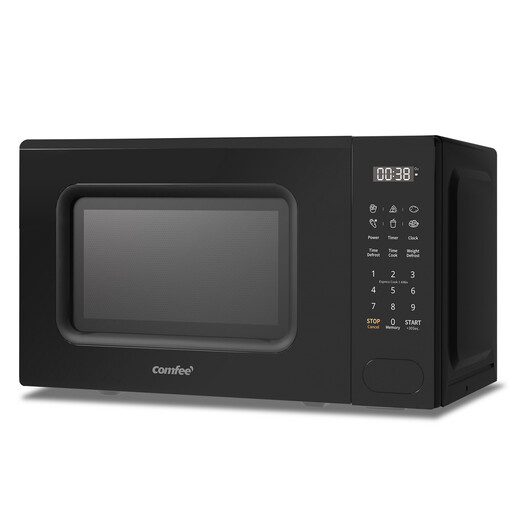 Image unavailable
A standard model to consider for reheating and defrosting in a small kitchen. The product name lists 700 W, 11 power levels and 6 pre-set menus; check that the space, required clearances and your dishes are suitable.
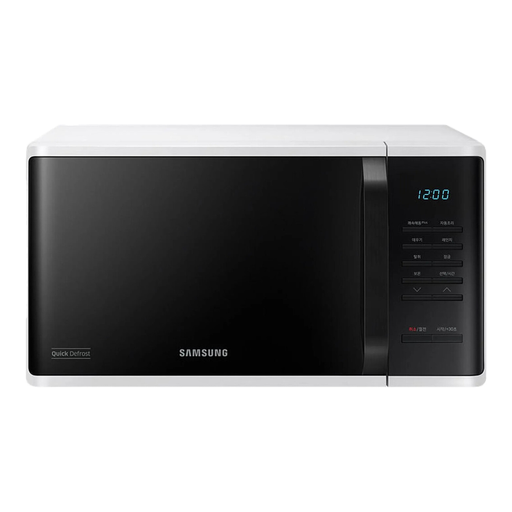 Image unavailable
Worth considering if you need to reheat and defrost food but don’t need a grill. The model name mentions quick defrosting; check the installation dimensions and the space needed to open the door.
 Image unavailable
The grill is worth considering if you want to brown or crisp food as well as reheat it. The product name lists 700 W and a 20 L capacity; check the ventilation gaps and door clearance before installation.
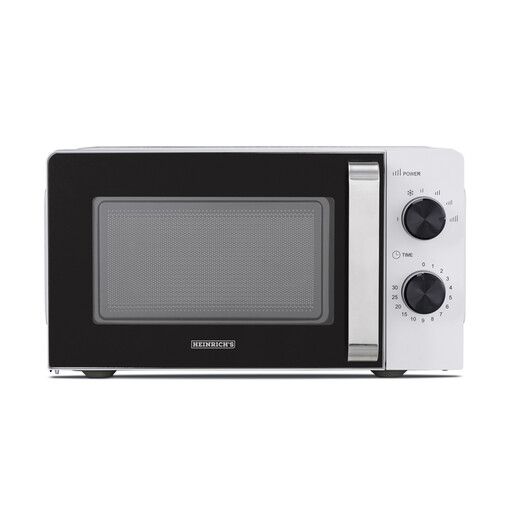 Image unavailable
This standard model is suited to everyday reheating and defrosting. The product name lists 700 W, 6 power levels and a 30-minute timer; check the space around the appliance and the size of your dishes.
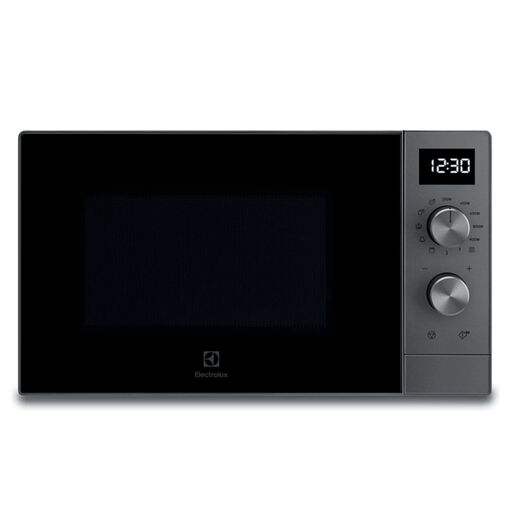 Image unavailable
This model with a grill is for anyone who wants to brown or crisp food and has room for a 25 L appliance. Check the external dimensions, door clearance and gaps before choosing it for a kitchenette; a grill doesn’t mean it has a fan oven function.
Yes, if you mainly reheat and defrost food and prepare simple dishes. The Que Choisir guide distinguishes these uses from browning or crisping with a grill and the extra cooking modes offered by a combination microwave. Also check the appliance’s overall size and the turntable diameter against your dishes.
Choose this function if you regularly brown or crisp dishes as well as reheating them. A grill alone doesn’t provide the fan oven function found on a combination microwave, so check the modes listed for the exact model.
A combination microwave with a grill and fan oven function can handle some oven-style cooking, if its modes and cavity are suitable for the dishes you make. But measure the space first: Whirlpool France and LG France list depths of 49,4 cm for the MCP349WH and 42,7 cm for the MC-8280NB respectively, before allowing for the installation gaps you’ll need to check.
A freestanding model is suitable if you want to put it on an appropriate surface and don’t have a built-in space. A built-in model needs a compatible housing unit. In either case, take measurements and follow the manufacturer’s ventilation instructions for the model you choose.