
Livraison le jour même ou le lendemain

Qualité garantie

Débloquez vos offres de bienvenue: Livraison GRATUITE | Jusqu'à -80 % | 30 jours d'essai gratuits à JoyPlus
Téléchargez l'application
Whether you're a weekend DIYer, a crafting enthusiast, or just looking for a way to organise your tools, finding the right small metal toolbox can be a real challenge. The market is flooded with models that look similar, but their quality and practicality can be worlds apart. A poor choice is a surefire recipe for buyer's remorse, leading to a broken latch, jammed drawers, or damaged tools.
This guide is here to help you avoid the common pitfalls and select a model that will last, whether you're organising your workshop or transporting your gear.
Before you even look at the specs, it's crucial to recognise the design flaws that can turn a good deal into a real burden.
To make the right purchase, focus on these non-negotiable points. They are your guarantee of longevity and practicality for your metal storage case.
The durability of a toolbox rests on two pillars: the material and the moving parts.
A portable toolbox must be easy to carry, without the risk of it accidentally opening on the go.
Because every user is unique, here is our selection of models suited to different profiles, to help you find the empty or kitted tool chest that's right for you.
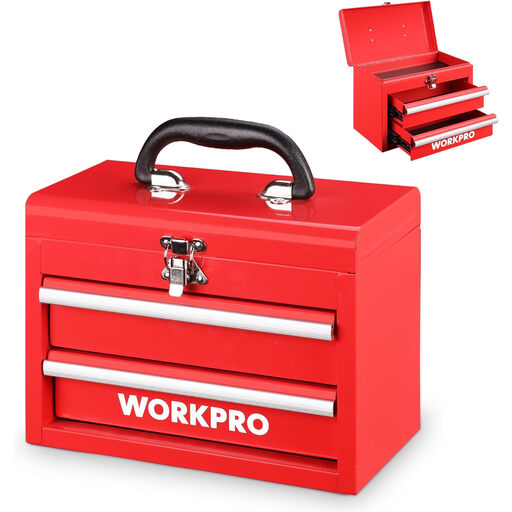
Why it's a match: Ideal for those seeking a storage solution that blends style with utility. Thanks to its polished finish and trendy colour, it fits in anywhere, whether it's for DIY tools, office supplies, or crafting accessories.
Its robust steel structure protects it from warping. The ball-bearing slides guarantee that the drawers glide perfectly, while the removable protective mats prevent tools from clattering against each other.
Its sleek design doesn't sacrifice durability. The three storage zones (two drawers and a top compartment) allow for versatile and well-thought-out organisation.
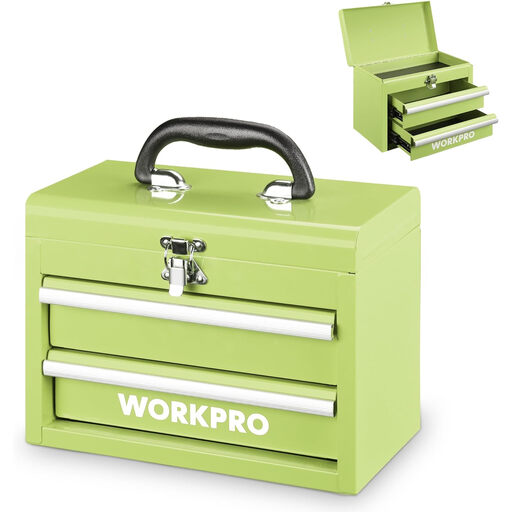
Why it's a match: For those who prioritise efficiency and durability above all for everyday small repairs. Its compact size and no-frills design make it a reliable choice for keeping the essentials within reach.
Its all-metal construction withstands the rigours of daily use without issue. The two-drawer system offers simple yet effective organisation, far more practical than a single-compartment box where everything gets jumbled together.
The essentials, no frills. Its compact size is perfect as a starter kit or for quick jobs, offering the ideal compromise between capacity and portability.
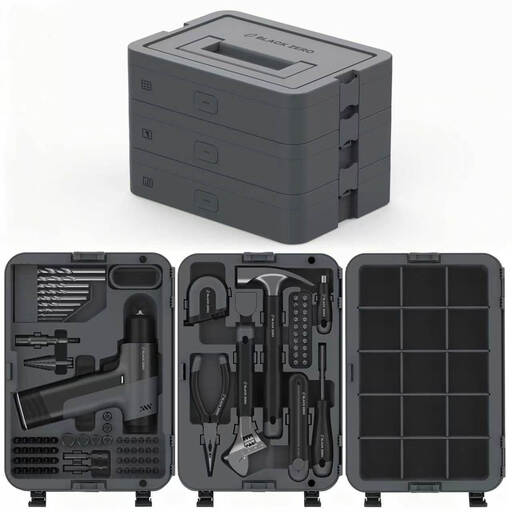
Why it's a match: More than just a box, this is an all-in-one solution for demanding DIYers or tradespeople. The patented structure, featuring a dedicated drill compartment and smart dividers, ensures meticulous organisation and immediate access to every tool.
Its professional-grade design eliminates any risk of fragility. The smart divider system puts an end to internal chaos by assigning a dedicated spot for each item in the kit.
A patented storage system that comes fully equipped. The separation between power and hand tools protects the equipment and makes finding the right tool significantly easier.
We have curated a full range of products that meet our quality criteria and safety standards.
How do I maintain a small metal toolbox to prevent rust? To keep it looking new, store it in a dry place and wipe away any liquid immediately. If you get a scratch, a quick touch-up with anti-rust paint is enough to stop corrosion. Models with foam or PVC liners are a plus, as they prevent moisture from getting trapped under your tools.
Is a toolbox with drawers really more practical than a single-compartment model? Without a doubt. A toolbox with drawers allows you to sort your tools by category (screwdrivers, wrenches, pliers, etc.), which makes them much easier to access and saves you valuable time. Single-compartment boxes may be lighter, but they quickly turn into a jumbled mess.
How much weight can a portable metal toolbox support? The load capacity depends primarily on the thickness of the steel and the build quality. As a general rule, a well-made compact box can support between 10 and 15 kg (22-33 lbs) of tools without warping. Pay close attention to the sturdiness of the handle and its attachments—this is often the best indicator of the load it can actually handle.