If you need to reheat, defrost and cook using a single appliance, look for a combination microwave with the modes you need. If the dishes and tins you use will determine your choice, start by considering a mini oven instead. A multicooker is better suited to meals cooked in a pot, while an air fryer is ideal for small portions cooked in a container or basket. Whatever you choose, compare the usable dimensions, available space and ventilation requirements against your main needs.
Which appliance is right for you?
You often reheat and defrost food
If you mainly heat ready meals or frozen food, but also want to cook from time to time, consider a combination microwave. Check that the model you choose has the cooking modes you need, and that its cavity and ventilation requirements are suitable for your kitchen.
You cook in dishes and tins
For tarts, gratins or roasts, the shape and usable dimensions of the cavity matter more than the stated capacity alone. A mini oven is worth considering first if these are the kinds of dishes you cook most often.
You mainly cook meals in a pot or basket
A multicooker is suited to dishes such as rice, soups, steamed food and slow-cooked meals. For small portions you want to crisp using hot air, consider an appliance with a basket or container instead. In either case, the cooking vessel determines what you can prepare.
What sets these appliances apart?
If you don’t have a standard oven, start with the types of cooking you do most often. These four appliance types are designed for different needs.
Combination microwave
Worth considering: if you want to reheat, defrost and cook with one appliance; modes vary by model.
Bear in mind: its cavity needs to fit your dishes, and installation must comply with the clearances specified in the instructions.
Mini oven
Worth considering: if you mainly cook dishes in ovenproof dishes or tins.
Bear in mind: its surfaces can get hot, and the size of dish it can accommodate depends on the model.
Multicooker
Worth considering: if most of your meals are cooked in a pot, steamed or slow-cooked.
Bear in mind: the pot’s capacity doesn’t tell you whether it can fit an oven dish or tin.
Air fryer
Worth considering: if you mainly cook or crisp small portions in a basket or container.
Bear in mind: this format doesn’t offer the space of a mini oven or the microwave’s reheating and defrosting functions.
| Priority |
What to check |
Who this applies to |
| Combining several functions |
Check separately which microwave, defrost, convection and grill modes are actually included. |
I want to prepare different meals with one appliance, without giving up the functions that matter to me. Around 31% of consumers would prioritise this versatility. |
| Using dishes and tins |
Compare the internal dimensions or maximum dish sizes the appliance can accommodate, rather than looking at its capacity in litres alone. |
If I mainly cook tarts and gratins, my tins need to fit inside the cavity. Around 25% of consumers would prioritise this usable space. |
| Reheating and defrosting |
Check that the model you’re considering has dedicated modes. Don’t assume that defrosting in a mini oven is the same as defrosting in a microwave. |
I often eat ready meals or frozen food, so being able to reheat and defrost them guides my choice. Around 25% of consumers would put this need first. |
| Cooking while taking up less space |
Measure the appliance and the required clearances. Also check the shape and capacity of its pot or container. |
In my small kitchen, I mainly cook simple meals in a pot or small portions in a container. For around 19% of consumers, this type of cooking and the space it takes up would be decisive. |
Mistakes to avoid
-
Relying on the capacity in litres alone
A cavity’s capacity doesn’t tell you by itself whether your dish or tin will fit. For example, SEB specifies which dish sizes its Turbo Delice 26 L can accommodate. These dimensions apply to this model only.
Measure the dishes you use most often and compare them with the internal dimensions or the dish sizes specified for the model.
-
Expecting an appliance with a pot or basket to do everything an oven can
The pot-based cooking programmes offered by Tefal and the hot-air appliances described by Moulinex are designed for different types of food. Their versatility doesn’t mean they’ll fit your larger tins or provide the functions of a microwave.
Make a note of the types of cooking you do most often, then check the product details and instructions to confirm each one is supported.
-
Using ventilation space for storage
Whirlpool advises against blocking a microwave’s ventilation openings, as doing so can cause it to overheat.
Before buying, measure the space available, allowing for the clearances required in the instructions for the model you’ve chosen. Keep its ventilation areas clear during use.
-
Taking claims about speed or savings at face value
Moulinex’s claims about some hot-air appliances depend on the food, quantities and comparison conditions chosen by the brand; they may not reflect how you’ll use the appliance.
When comparing appliances, focus on the modes you need, usable capacity and installation requirements rather than a claimed saving without comparable conditions.
Brands to know for these uses
Sharp
The brand’s freestanding combination microwaves are worth considering if you want several modes in one cavity.
- For the R-940/94ST, Sharp Consumer describes defrosting, reheating and cooking using a combination of microwave, convection and grill modes.
- Check the functions, capacity and ventilation requirements for the specific model you’re considering rather than assuming they apply to the whole brand.
SEB
Its freestanding mini ovens are worth a look if you prioritise cooking in dishes and tins.
- SEB says the Turbo Delice 26 L can accommodate a round dish up to 35 cm or an oval dish up to 38 cm long.
- These dimensions don’t apply to other models. Check the instructions for your chosen model too, including details on installation space, the electrical connection and precautions around hot surfaces.
Tefal
Its multicookers are worth considering if you prepare most of your meals in a pot.
- Tefal lists 16 programmes for the SpheriCook RK745800, including soup, steaming, rice and slow cooking.
- A pot’s capacity and programme list don’t guarantee that it will fit your tins or give you the same gratin finish you’d expect from an oven.
Moulinex
Its hot-air cooking appliances are worth considering if you mainly cook small portions in a basket.
- Moulinex lists a capacity of 3.5 L for the Easy Fry Essential EZ130810; functions and accessories vary by model.
- The time, energy or fat savings claimed by the brand depend on its comparison conditions and don’t prove that an appliance will replace your oven or microwave.
Appliances to suit your needs
These Joybuy appliances suit different ways of cooking without a standard oven: combination microwaves, pot-based cooking, hot-air cooking or a mini oven. First choose the type of cooking that matters most to you, then check the dimensions and installation requirements for the specific model.
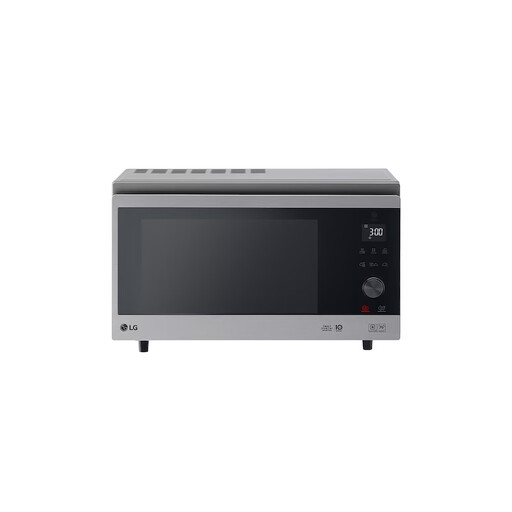 Image unavailable
LG MJ3965ACS, 39 L combination microwave, stainless steel and black
Worth considering if you want to reheat and cook in one cavity. The stated capacity is 39 L; check that it has the modes you need, and make sure you have enough space for the appliance, its ventilation clearances and the connection requirements specified for this model.
View on Joybuy
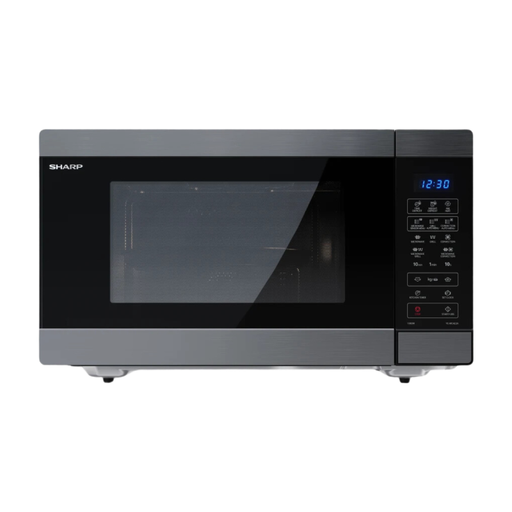 Image unavailable
Sharp YC-MC422AE-SB, 3-in-1 combination microwave, 42 L
Worth considering if you want one appliance to handle several tasks, provided its modes suit your needs. Its stated capacity is 42 L; measure the space available and check the instructions for the required clearances and electrical connection.
View on Joybuy
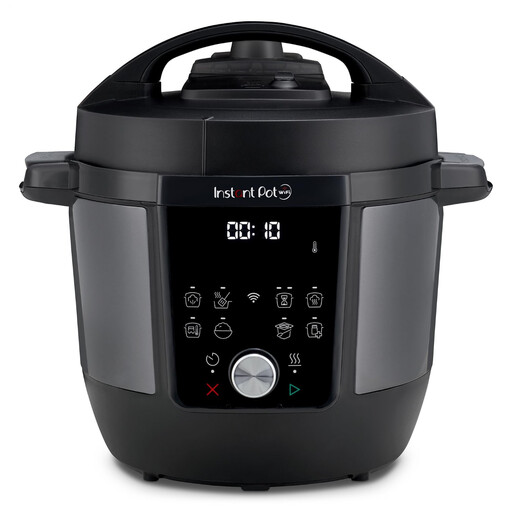 Image unavailable
Instant Pot Plus WiFi, 5.7 L 9-in-1 pressure multicooker
Worth considering for meals cooked in a pot rather than in oven dishes. The name of this version indicates a 5.7 L capacity, app control and a sous vide function. If you use the pressure cooking function, follow the instructions for locking the lid and releasing steam.
View on Joybuy
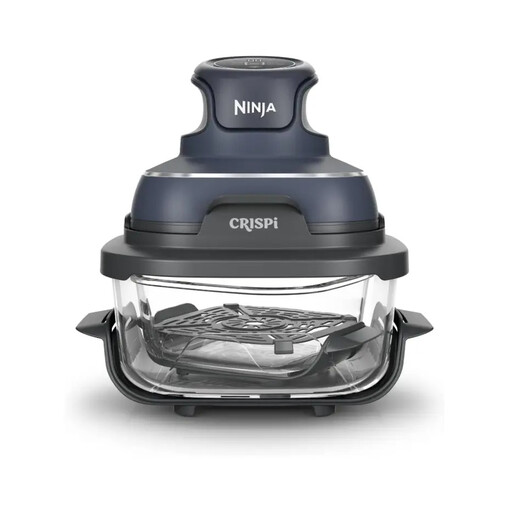 Image unavailable
Ninja FN101EUGY Crispi air fryer
Worth considering if you mainly cook small portions using hot air. Check that the containers suit the portions you prepare and that the appliance fits in the space you’ve chosen, with the clearances specified in its instructions.
View on Joybuy
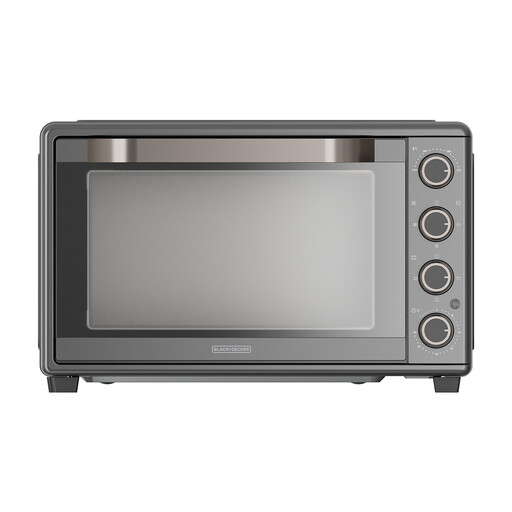 Image unavailable
Black+Decker BXOV4500E, 2,000 W mini oven
Worth considering if you want to cook in a cavity rather than a pot or basket. Its stated power is 2,000 W. Before choosing this mini oven, check that your dishes fit inside the cavity and that the space available meets the model’s requirements for dimensions, ventilation and electrical connection.
View on Joybuy
Frequently asked questions
Can a combination microwave replace a standard oven?
It can replace some oven functions if the model genuinely combines microwave, convection and grill modes, and its cavity is large enough for your dishes. Sharp Consumer’s product information describes these modes on some models. Don’t assume they’re available on every combination microwave, or on a model that only has a grill.
What should I choose for tarts and gratins?
Start by considering a mini oven or a combination microwave with genuine convection cooking, then compare the dimensions of your tins with the sizes the appliance can accommodate. SEB says its Turbo Delice 26 L can fit a round dish measuring 35 cm or an oval dish 38 cm long; these measurements don’t apply to other models.
Can I put a freestanding appliance in any spare corner?
No: the space must also allow for installation as described in the instructions. Whirlpool says to keep a microwave’s ventilation openings clear, while SEB’s mini oven instructions highlight the importance of a stable surface and precautions around hot surfaces. Check the instructions for your chosen model for its clearance and connection requirements.
Can a multicooker replace a mini oven?
Not if you mainly need to cook in dishes or brown food in a cavity. For the SpheriCook RK745800, Tefal lists programmes including soup, steaming, rice and slow cooking. These are suited to meals prepared in a pot, but don’t guarantee there’ll be room for your tins.


