People who mainly reheat meals
If you prepare individual portions or reheat leftovers, defrosting is likely to matter more to you than browning or baking.


In a small kitchen without a conventional oven, start by choosing an appliance to suit the meals you make. A standard microwave is best for reheating and defrosting, while a combination microwave with convection or a mini oven is a better choice if you also want to cook quiches, pastries or small roasts. A multicooker is more suited to one-pot, steamed or slow-cooked meals. Before choosing, check that your dishes will fit inside the appliance and that its position meets the installation and ventilation instructions in the manual.
If you prepare individual portions or reheat leftovers, defrosting is likely to matter more to you than browning or baking.
Without a conventional oven, you may still want to make gratins, quiches, pizzas or cakes in dishes designed to fit a smaller appliance.
You prefer small portions cooked by steaming, slow cooking or pressure cooking to dishes spread out on an oven tray.
Choose this if: you mainly reheat and defrost portions; a grill can add browning, depending on the model.
The trade-off: a grill alone does not provide the convection heat needed for some oven-style cooking.
Choose this if: you want microwave and oven-style cooking in one appliance; UFC-Que Choisir describes combination models with a grill and convection heating.
The trade-off: features and the space available for dishes vary by model.
Choose this if: you mainly need dry-heat cooking for dishes such as quiches, pastries or gratins.
The trade-off: features and the dish sizes it can accommodate depend on the model; it does not reheat using microwaves.
Choose this if: you mainly cook meals in a bowl, particularly by steaming, pressure cooking or slow cooking.
The trade-off: the bowl cannot replace an oven cavity for a pizza or pastries cooked on a tray.
| Your needs | What to check | Who this matters to |
|---|---|---|
| Reheating and defrosting | Check that the appliance has the modes you need and that your containers will fit in the cavity. | If your meals are often already cooked or stored in portions, you want to reheat or defrost them without needing to cook them in an oven; around 36% of consumers would prioritise this need. |
| Cooking as you would in an oven | Check the cooking modes listed and the maximum dish size, rather than relying on the capacity in litres alone. | To keep making quiches, gratins or cakes, you need a suitable cooking mode and a cavity that will fit your dish; nearly 29% of consumers would prioritise this use. |
| Finding a place for the appliance | Measure the appliance and the space needed to open its door, and allow for the clearances specified in the manual. | When worktop space is very limited, you need an appliance that fits, with enough room for the door to open and the vents to remain clear; around 21% of consumers would make this their main concern. |
| Cooking one-pot meals | Compare the bowl capacity, the modes that suit your meals and the instructions for steam or pressure cooking. | If you mainly make small portions of steamed or slow-cooked food, a bowl is a better fit for your routine than an oven tray; around 14% of consumers would put this need first. |
Reheating and defrosting are not the same as baking pastries or cooking pizza with convection heat. Even with a grill, its features are not the same as those of every combination microwave or mini oven.
Think about the dishes you make most often, then check that the model you choose has the modes you need.
The stated capacity does not tell you whether your baking tin will fit in the cavity or whether the door can open where you plan to put the appliance.
Measure a dish you use regularly and compare it with the maximum dimensions the appliance can accommodate. Then check the appliance’s overall dimensions.
An Electrolux manual states that insufficient ventilation can affect an appliance’s performance and lifespan. The required clearances depend on the model.
Check the manual for the model you’re considering before deciding where to place it, making sure the plug is accessible and the vents have enough space around them.
Steam, pressure and slow-cooking modes are designed for meals made in a bowl, not dishes spread out on a tray or cooked in an oven cavity.
If pizza, quiches or pastries are regular features on your menu, consider a mini oven or a combination microwave with the cooking mode you need.
Freestanding microwaves, including grill models, to consider if reheating and defrosting are your priorities.
Mini ovens for oven-style cooking and Cookeo multicookers for meals made in a bowl.
Freestanding mini ovens to consider when dry-heat cooking matters more to you than microwave reheating.
Combination microwaves to consider if you want several cooking modes in one appliance.
Freestanding combination microwaves for people who want several functions without adding more appliances.
These Joybuy appliances suit different ways of preparing meals without a conventional oven: combining cooking modes, reheating in a microwave, cooking in a bowl or using a mini oven. Start by choosing the use that matters most to you, then check the manual and make sure you have enough space for the model you pick.
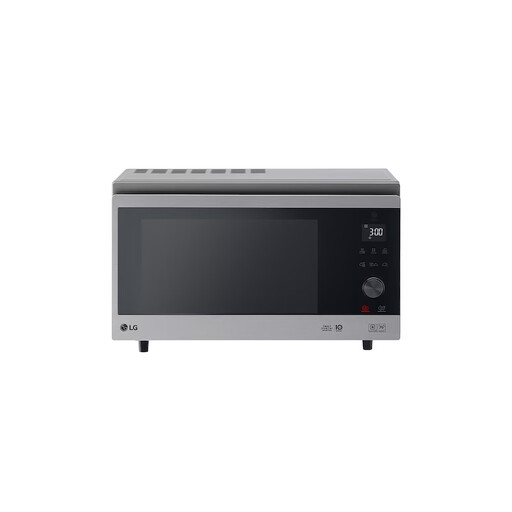 Image unavailable
Worth considering if you want microwave reheating and oven-style cooking in one combination appliance.
Stated capacity: 39 L. Check that your dishes fit inside the cavity and that the space you choose meets the dimensions and clearance requirements in the manual.
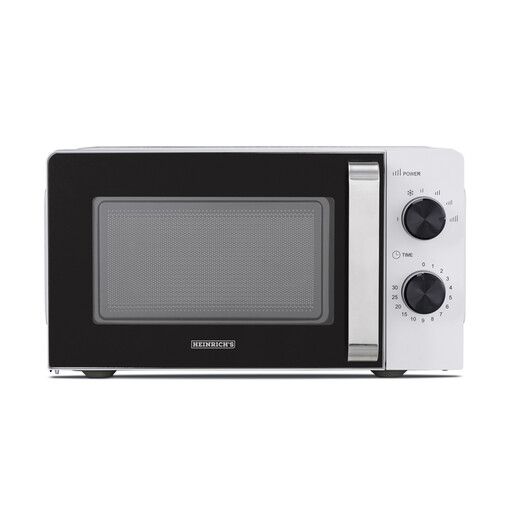 Image unavailable
Worth considering if you mainly want to reheat portions and defrost food, rather than cook oven-style meals.
The title lists six power levels, a 30-minute timer and a defrost function. Check that your containers will fit and follow the model’s installation instructions.
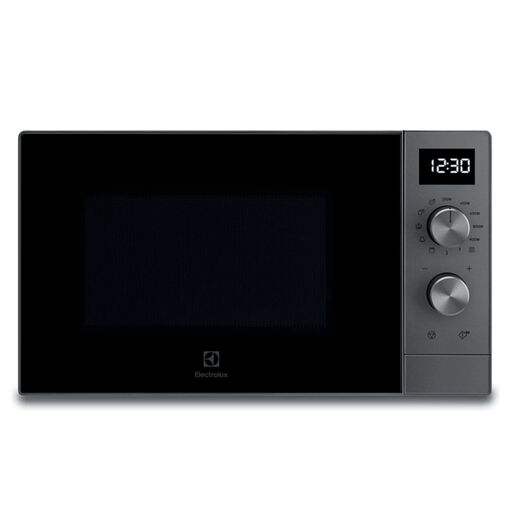 Image unavailable
Worth considering if you want to add a grill to your microwave cooking, but don’t assume this replaces convection heating.
Stated microwave power: 900 W. Check that your dishes fit inside the cavity and read the installation instructions for this model.
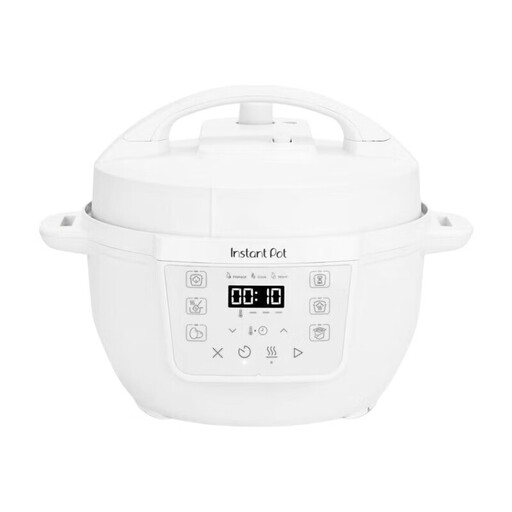 Image unavailable
Worth considering if you mainly prepare meals in a bowl rather than on an oven tray.
The title describes a 7-in-1 pressure multicooker, suitable for up to four portions. Check that you have room for it on your worktop and follow the model’s instructions for steam and pressure cooking.
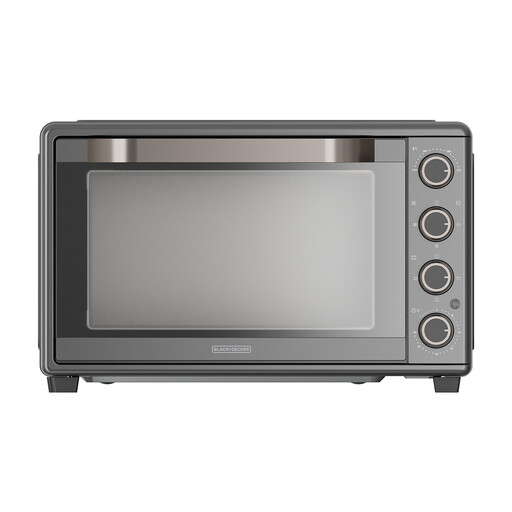 Image unavailable
Worth considering if you prefer oven-style cooking to reheating with a microwave.
Check the size of the dishes it can accommodate, its overall dimensions and the installation instructions before making room for it on your worktop.
Not for every type of cooking: a standard microwave is mainly for reheating and defrosting. If you regularly want to bake quiches or pastries, look for an appliance that explicitly lists oven-style cooking modes, then check the maximum dish size it can accommodate.
No. Having several functions in one appliance doesn’t guarantee it will fit in the space you have. Measure the appliance, allow enough room to open the door and check the clearances specified in the model’s manual.
A multicooker designed for meals made in a bowl cannot directly replace an oven cavity for pizzas, quiches or pastries cooked on a tray. If you often make these dishes, check the cooking modes and the dish sizes accepted by a mini oven or combination microwave.
No. Choose a container that is compatible with the mode you’re using and follow the appliance manual. For example, an Electrolux manual specifically says not to heat food or drinks in metal containers in the microwave, unless the instructions explicitly say otherwise for that particular container.