Mainly for reheating and defrosting
In a studio flat, student accommodation or second home, you’ll probably use your microwave mostly for ready meals. A solo model is worth considering before you pay for cooking functions you won’t use.


Choose a solo microwave if you mainly reheat and defrost food, a grill model if you also want to brown dishes, or a combi model if you plan to cook using convection or fan-assisted heat. In a small kitchen, check the external dimensions, whether your dishes will fit and the clearance specified in the instruction manual. Capacity in litres alone won’t tell you whether an appliance will fit in its intended spot.
In a studio flat, student accommodation or second home, you’ll probably use your microwave mostly for ready meals. A solo model is worth considering before you pay for cooking functions you won’t use.
You usually reheat food, but would sometimes like to brown a toasted sandwich or gratin without adding another appliance. A grill function is designed for just this, as UFC-Que Choisir explains.
You’d like to cook the occasional dish as well as reheat and brown food. A combi model with convection or fan-assisted heat can bring these functions together, provided its dimensions and ventilation requirements suit your kitchen.
UFC-Que Choisir distinguishes between solo, grill and combi models by their cooking functions. Think about the dishes you’ll genuinely make, then check whether the appliance you’re considering will fit in the space available.
Choose this if: you mainly reheat and defrost food, and don’t need to brown your dishes.
Bear in mind: it doesn’t have a grill or fan-assisted cooking function.
Choose this if: you’d also like to brown individual portions from time to time.
Bear in mind: a grill alone doesn’t replace convection or fan-assisted cooking.
Choose this if: you genuinely plan to cook the occasional dish using convection or fan-assisted heat.
Bear in mind: having all these functions in one appliance doesn’t mean you can skip checking its dimensions and ventilation requirements for your chosen model.
| Factor | What to check | Who is this important for? |
|---|---|---|
| Size and installation | Compare the width, height and depth with the space available, then check the manual for ventilation clearances. | If I have a narrow worktop, I need to know the appliance will fit before weighing up its functions; around 42% of consumers put this requirement first. |
| Reheating and defrosting | Check the power settings, the defrost function you need and whether your usual dishes will fit. | If I mostly eat ready meals, I want to reheat or defrost them without choosing oven functions I won’t use; this is the top priority for around 33% of consumers. |
| Occasional cooking and browning | Look for a grill to brown food, or convection or fan-assisted heat for recipes that need it. | Without a separate oven, I sometimes want to brown food or cook the occasional dish; around 25% of consumers make this their priority. |
The cavity capacity doesn’t tell you the appliance’s external depth. For example, Whirlpool France lists a depth of 54 cm for its 33 L MWSC833W combi model. These are two different measurements to consider when you have a narrow worktop.
Measure the space and compare the external dimensions of the exact model you’re considering before deciding what capacity you need.
A solo microwave already covers reheating and defrosting. Grill and fan-assisted functions only affect your choice if they’re useful for the meals you usually make.
Think about the food you actually prepare: reheating, the occasional browned topping or cooking that needs an oven function.
According to UFC-Que Choisir, the ventilation system in a built-in model is designed to remove heat from the housing. Installation requirements therefore depend on the specific model.
Before ordering the appliance or altering the cabinet, check the manual for the housing dimensions, ventilation requirements and any built-in installation kit you may need.
Whirlpool France’s range includes freestanding microwaves with grill and combi functions.
The NeoChef range includes combi models that bring several cooking functions together.
Samsung France offers microwaves that combine convection, grill and microwave functions.
These models are suited to everyday reheating, or reheating with a grill. If you want to cook using convection or fan-assisted heat, make sure the model you choose explicitly includes this function.
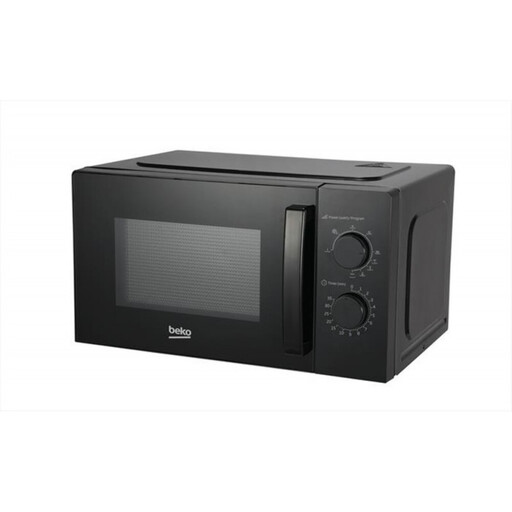 Image unavailable
Worth considering if you’d like to brown food from time to time as well as reheat it. The stated power is 700 W. Allow for the 10 cm clearance specified at the sides and rear, then check the manual for the full installation requirements. The grill doesn’t replace a fan-assisted cooking function.
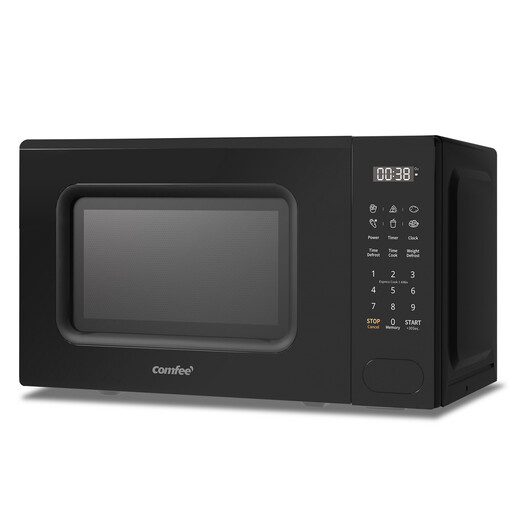 Image unavailable
For reheating and defrosting without the need for oven functions. The model is listed at 700 W, with 11 power levels and six pre-set menus. Check the manual to see how much clearance to leave around the appliance.
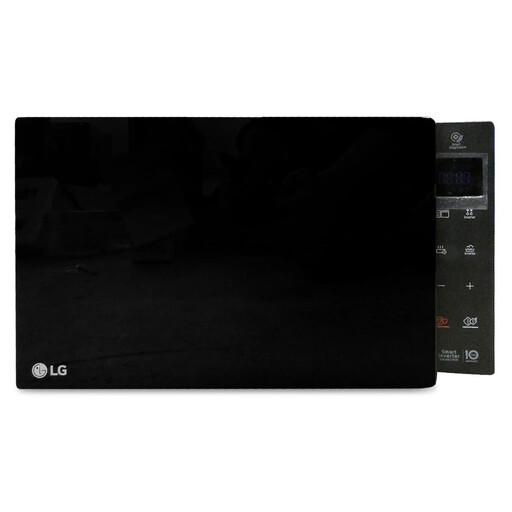 Image unavailable
For reheating with the option to brown food, check the functions of the version you’re considering and make sure you have enough room on your worktop. The stated capacity is 25 L. Before choosing this model for a recipe that needs convection, confirm that it has this function in the product details and manual.
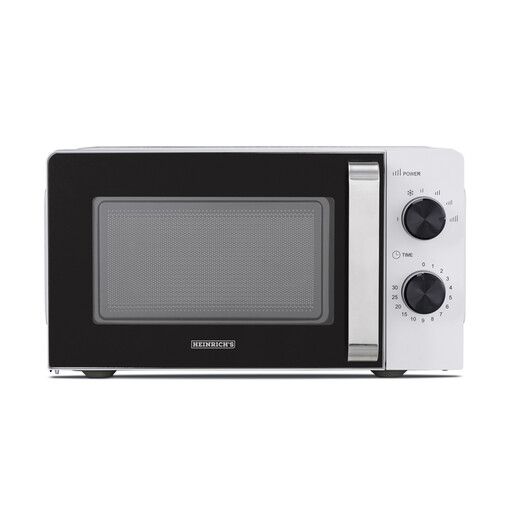 Image unavailable
For everyday reheating and defrosting. The product title lists 700 W, six power levels and a 30-minute timer. Check the manual to see how much space to leave for ventilation.
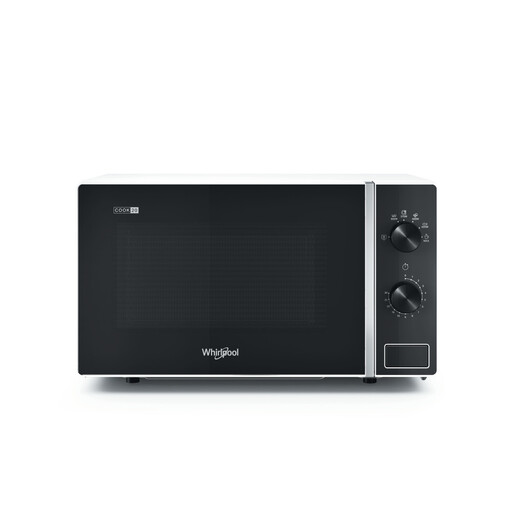 Image unavailable
Consider this if your main need is reheating; check that it has a defrost function if that’s important to you. The stated power is 700 W, and the product details specify 10 cm of clearance on each side. Measure the space before installation.
Check the appliance’s external width, height and depth, not just its capacity in litres. Compare these with the space available and consult the manual for ventilation clearances. For a built-in model, also check the dimensions of the housing.
It can handle some occasional cooking if the model has convection or fan-assisted heat, but it may not suit all your recipes. Before deciding against a separate oven, check the available temperatures, cavity size, space for your dishes and any accessories you’ll need.
It depends on the model and how it’s designed to be installed. A built-in appliance must meet the manufacturer’s requirements for the housing and ventilation. Check the manual for the exact model before modifying the cabinet or putting a freestanding appliance inside it.