People who mainly reheat meals
If your meals are already cooked, you’re looking for an appliance that fits your plates and can also defrost food, without taking up space with cooking features you’re unlikely to use.


For student accommodation or a holiday home, choose a standard microwave if you mainly reheat and defrost meals, or a grill model if you’d also like to brown dishes occasionally. Consider a combi microwave for oven-style cooking if you don’t already have an oven and will genuinely use this feature. Its settings, dimensions and installation clearances should suit the meals you make and the space in your kitchen.
If your meals are already cooked, you’re looking for an appliance that fits your plates and can also defrost food, without taking up space with cooking features you’re unlikely to use.
You reheat meals every day, but sometimes want to brown a gratin or toasted sandwich. A grill can handle this without offering all the cooking options of an oven.
If you also make dishes that need oven-style cooking, a combi microwave is worth considering. Check the settings on your chosen model and how much space it will actually take up.
For student accommodation, a holiday home or a small kitchen, start with the meals you make most often, then consider what cooking appliances you already have. UFC-Que Choisir’s buying guide highlights the different uses of standard, grill and combi microwaves.
| Priority | What to check | Who it’s for |
|---|---|---|
| Reheating and defrosting | Compare the available space with the microwave’s external dimensions, then check the cavity or turntable size against the dishes you usually use. | My meals are already cooked, so I mainly want to reheat them and defrost portions without adding extra features. Around 36% of consumers prioritise this. |
| Occasionally browning dishes | Check that it has a grill, and see which accessories are included and which settings they can be used with. | I want to brown a gratin or toasted sandwich now and then, but oven cooking isn’t my priority. Around 21% of consumers put this need first. |
| Cooking without an oven | Check for fan-assisted cooking, its temperature range and the usable space for the recipes you have in mind. | I don’t have a traditional oven and want to regularly make dishes that involve more than reheating or grilling. Around 29% of consumers prioritise this versatility. |
| Avoiding duplicate appliances | Make a list of the appliances you can actually use in your home and the features you’re missing. | If an oven or hob already meets my cooking needs, I’d rather not add another multi-purpose appliance. Avoiding this duplication is a priority for around 14% of consumers. |
Its cooking settings are only useful if you plan to use them. If you already have an oven, a standard microwave may be all you need for reheating and defrosting.
Make a note of the dishes you usually prepare and identify where you genuinely need a grill or fan-assisted cooking.
A larger combi microwave can take up valuable worktop space, even if you rarely use its cooking features.
The stated capacity alone won’t tell you whether your dishes will fit inside or whether the appliance will fit in the space you have in mind.
Measure the space and your largest dish, then compare them with the usable dimensions, turntable and clearances specified in the model’s instructions.
ANSES states that overheating food, particularly at a high power setting, can increase the migration of substances from certain food packaging.
Check that the packaging or container is microwave-safe, and follow the recommended power setting and heating time.
Whirlpool offers combi microwaves for freestanding or built-in installation, worth considering if you want to combine reheating with several cooking options.
Panasonic offers grill models and combi microwaves. Which one to choose depends on whether you want to brown dishes or also need convection cooking.
Samsung’s range includes solo, grill and combi microwaves, making it easier to compare the features you need before choosing.
These freestanding models cover straightforward reheating and, in some cases, browning under the grill. Choose according to the features of the specific model and the cooking appliances you already have at home.
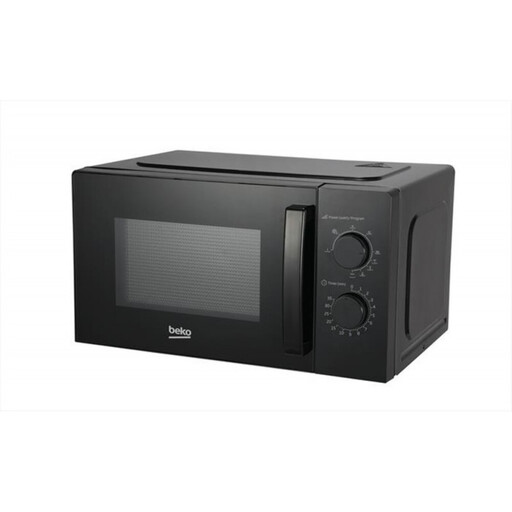 Image unavailable
For reheating and the occasional grilled finish. The title lists a power rating of 700 W; check that your dishes will fit and that the clearances specified in the instructions suit your chosen location.
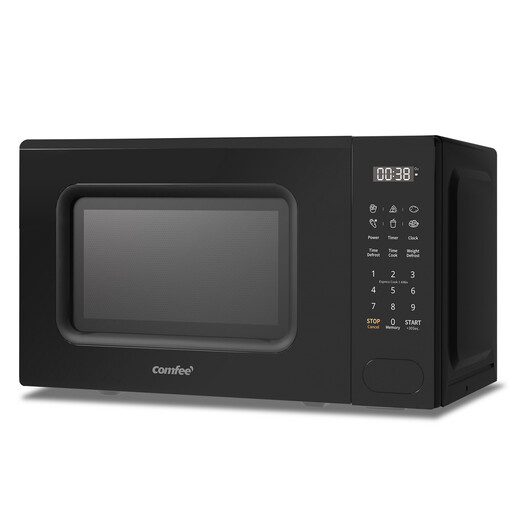 Image unavailable
Worth considering if reheating and defrosting matter more to you than browning dishes. The title lists 700 W and six pre-set menus; check the installation clearances in the instructions.
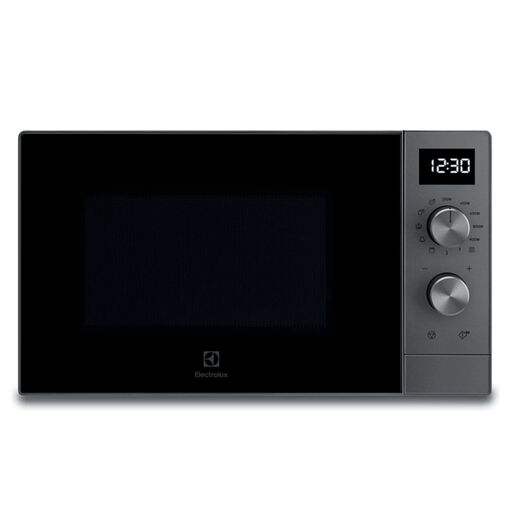 Image unavailable
For combining reheating with grilling, if you have enough space for a 25 L appliance. The title lists 900 W; a grill should not be confused with fan-assisted cooking.
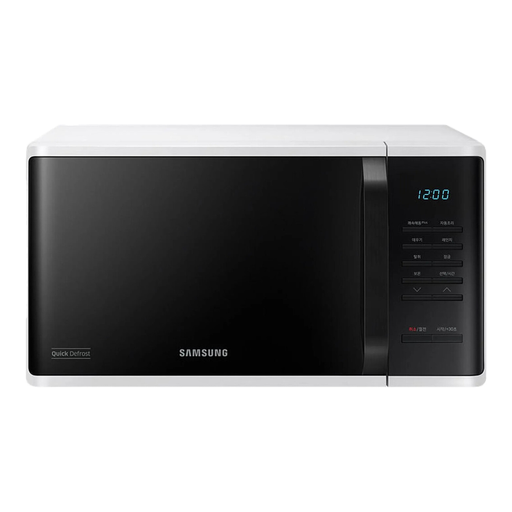 Image unavailable
For reheating meals and using the defrost function indicated by Quick Defrost. Check that you have enough space for this 23 L model; if you want to brown dishes, check the available features before buying.
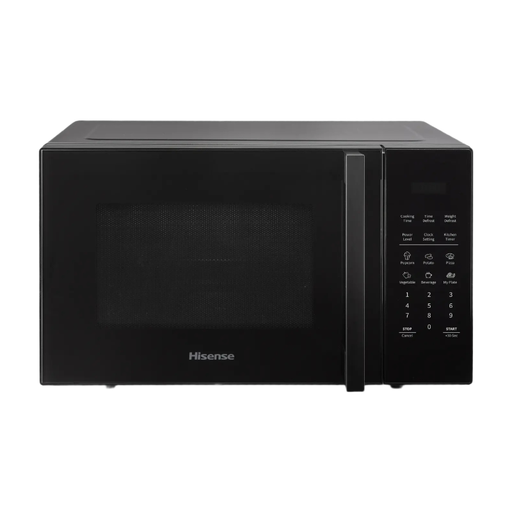 Image unavailable
Worth considering for reheating meals if the cavity and worktop space suit your kitchen. The title lists 900 W; if you need to brown dishes, check the cooking settings on this model.
A standard microwave will do the job if you don’t need to brown dishes or cook food as you would in an oven. Check that the cavity fits your dishes and that the defrost settings suit the way you use it.
A grill alone won’t replace cooking that needs fan-assisted heat; it’s mainly for browning and grilling. For other types of cooking, look at the settings and temperature range of a combi microwave rather than relying on the word ‘grill’ alone.
A combi microwave can take on some of that role if you don’t have an oven and regularly make recipes that need a grill or fan-assisted cooking. Check these features on the specific model, along with its temperature range, usable capacity, accessories and installation clearances.
Yes, if the packaging is suitable for microwave use and you follow its preparation instructions. ANSES warns that overheating can increase the migration of substances from certain packaging, so be sure to follow the recommended power setting and heating time.