First, choose a size that fits the available space while still allowing the door to open and the drawers to slide out. For a weekly shop, a table-top or single-door fridge is usually suitable if you don’t need much freezer space. A fridge-freezer gives you a separate freezer compartment, provided its dimensions work in your kitchen. For an integrated appliance, also check the housing dimensions, door-fixing system and ventilation requirements in the model’s manual.
Who is this guide for?
Households that do a weekly shop
You need to store several days’ worth of fresh food and, sometimes, frozen food. Look at the capacity of each compartment rather than just the total capacity: enough space in the fridge doesn’t tell you how much room there is in the freezer.
People with limited space in their kitchen
Whether the appliance will sit under a worktop or fit into a housing unit, measure the available height, width and depth. Also allow for the ventilation requirements listed in the manual, as well as enough space to open the door and remove the drawers.
Households unsure how much space to allow for frozen food
If you rarely buy frozen food, a small compartment may suit your needs. If frozen food is a regular part of your weekly shop, compare the freezer capacities of models with a separate compartment.
Which criteria should you prioritise?
First rule out sizes that won’t fit the space or allow the door to open properly. Then work out how your usual shopping divides between fresh and frozen food. An integrated model also means checking the housing dimensions and door-fixing system, whether or not it has a freezer.
| Criteria |
What to check |
Who is this for? |
| Space for frozen food |
Compare the usable capacities of the fridge and freezer separately, as well as how easy it is to access the drawers. |
If my weekly shop regularly includes frozen food, a small compartment may not be enough for what I need to store. Around 36% of consumers would prioritise the balance between fresh and frozen storage. |
| Space and door opening |
Measure the height, width and depth. Check the manual for ventilation requirements and door clearance; for an integrated model, also check the housing dimensions and door-fixing system. |
In a narrow kitchen, I need to be able to install the appliance, open the door and pull out the drawers without obstruction. Around 29% of consumers would make fit their priority. |
| Fresh food storage |
Check the usable fridge capacity and the layout of the shelves and drawers. |
When I’m storing several days’ worth of meals and fresh food, how I can arrange everything matters just as much as the stated capacity. Around 21% of consumers would prioritise storage layout. |
| Energy use and convenience |
Compare kWh/year, noise levels and defrosting methods across appliances of a similar size and capacity. |
If my kitchen is open-plan or I want to spend less time defrosting, I also consider day-to-day use once I’ve found a capacity that suits my shop. Noise, energy use or maintenance would come first for around 14% of consumers. |
Which mistakes should you avoid?
-
Looking only at the total capacity
An appliance may have enough room for fresh food but too little space for the frozen items in your weekly shop. A small compartment won’t necessarily meet the same needs as a separate freezer.
Make a list of what you usually store in the fridge and freezer, then compare each amount with the usable capacity of the relevant compartment.
-
Measuring the housing without thinking about how you’ll use the appliance
Matching dimensions aren’t enough if the door can’t open wide enough to reach the drawers, or if the manufacturer’s ventilation requirements aren’t met.
Compare your measurements with the manual for the exact model. For an integrated appliance, also check the door-fixing system and which way the door opens.
-
Assuming a smaller appliance uses less energy
A narrower fridge isn’t necessarily more energy-efficient. ADEME reminds consumers that refrigeration appliances run continuously.
Check the annual energy consumption in kWh and compare it with models of a similar type and capacity.
-
Waiting until delivery to arrange what happens to your old appliance
A replaced fridge should be taken to an appropriate collection point for electrical equipment, rather than left with ordinary household waste.
If you’re replacing an appliance, check the collection options available when you place your order and whether they’re available at your delivery address.
Brands to consider
The dimensions below relate to specific models and don’t apply to every model from each brand. They can still help you distinguish between a compact appliance, a freestanding fridge-freezer and an integrated model.
Bosch
Bosch lists, among other options, integrated single-door fridges and freestanding fridge-freezers. The KIR41SFE0 product details state a 204 l fridge capacity and dimensions of 122,1 × 54,1 × 54,8 cm for an integrated appliance with no freezer compartment.
- Product details make it possible to compare fridge and freezer capacities and dimensions separately.
- For an integrated model, check the housing dimensions, door-fixing system and ventilation requirements for the specific model you choose.
Beko
The Beko TSE1234FSN is a 54 cm-wide freestanding table-top fridge with a freezer compartment at the top.
- Its width is worth considering if space is tight and you don’t need to store much frozen food.
- This model has a stated freezing capacity of 2 kg/24 h. Check that this suits the amount of fresh food you want to freeze.
Liebherr
The Liebherr models reviewed include 55 cm-wide freestanding appliances and an integrated fridge-freezer. The ICNd 5603 product details specify a housing size of 194–195 × 56–57 × 55 cm.
- These models give you dimensions to compare with a narrow kitchen or an existing housing unit.
- Capacity, door installation and frost-management features vary by model. These features can’t make up for a housing unit that isn’t the right size.
Fridges to consider on Joybuy
This selection includes a compact single-door fridge and three fridge-freezers, so you can compare the space available for fresh and frozen food. Before choosing, check each model’s dimensions and installation requirements against your kitchen.
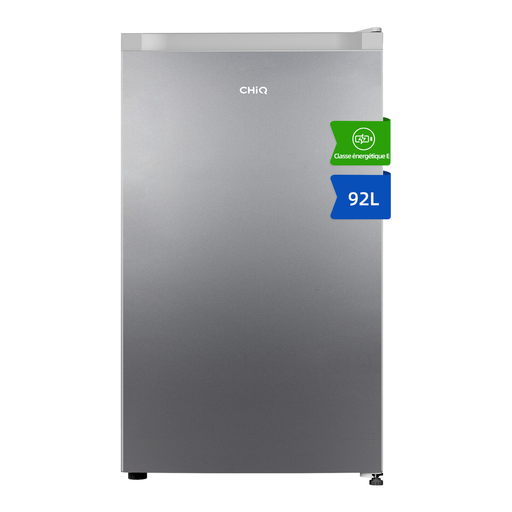 Image unavailable
CHiQ JR92DSE, 92 L single-door fridge
Worth considering if you’re looking for a single-door appliance for a small space and don’t need much freezer capacity.
The model name indicates a capacity of 92 L, a freezer compartment and an E energy rating. Check how much space is available in the compartment, as well as the full dimensions, ventilation requirements and door clearance needed in your kitchen.
View on Joybuy
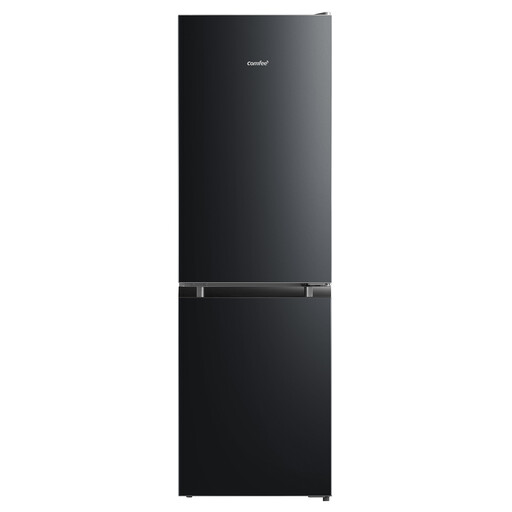 Image unavailable
Comfee' by Midea RCB230BL2EU(E), 174 L fridge-freezer
Worth comparing if your shop includes fresh and frozen food but you want to keep the appliance’s overall capacity down.
This freestanding model is listed with a reversible door, LED lighting and Low Frost technology. Check the capacity of each compartment, then make sure there’s enough space for ventilation and access to the drawers where you plan to install it.
View on Joybuy
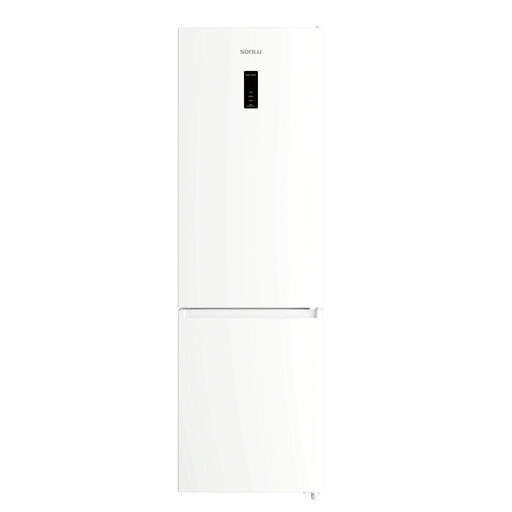 Image unavailable
Sonlu CD‑400RW, 355 L fridge-freezer
Worth considering if your weekly shop calls for separate space for fresh and frozen food and your kitchen can accommodate the appliance.
The model name indicates 252 L of fridge capacity, 103 L of freezer capacity and a width of 60 cm. Before choosing this fridge-freezer, also measure the height and depth, and allow enough space for ventilation and the door to open.
View on Joybuy
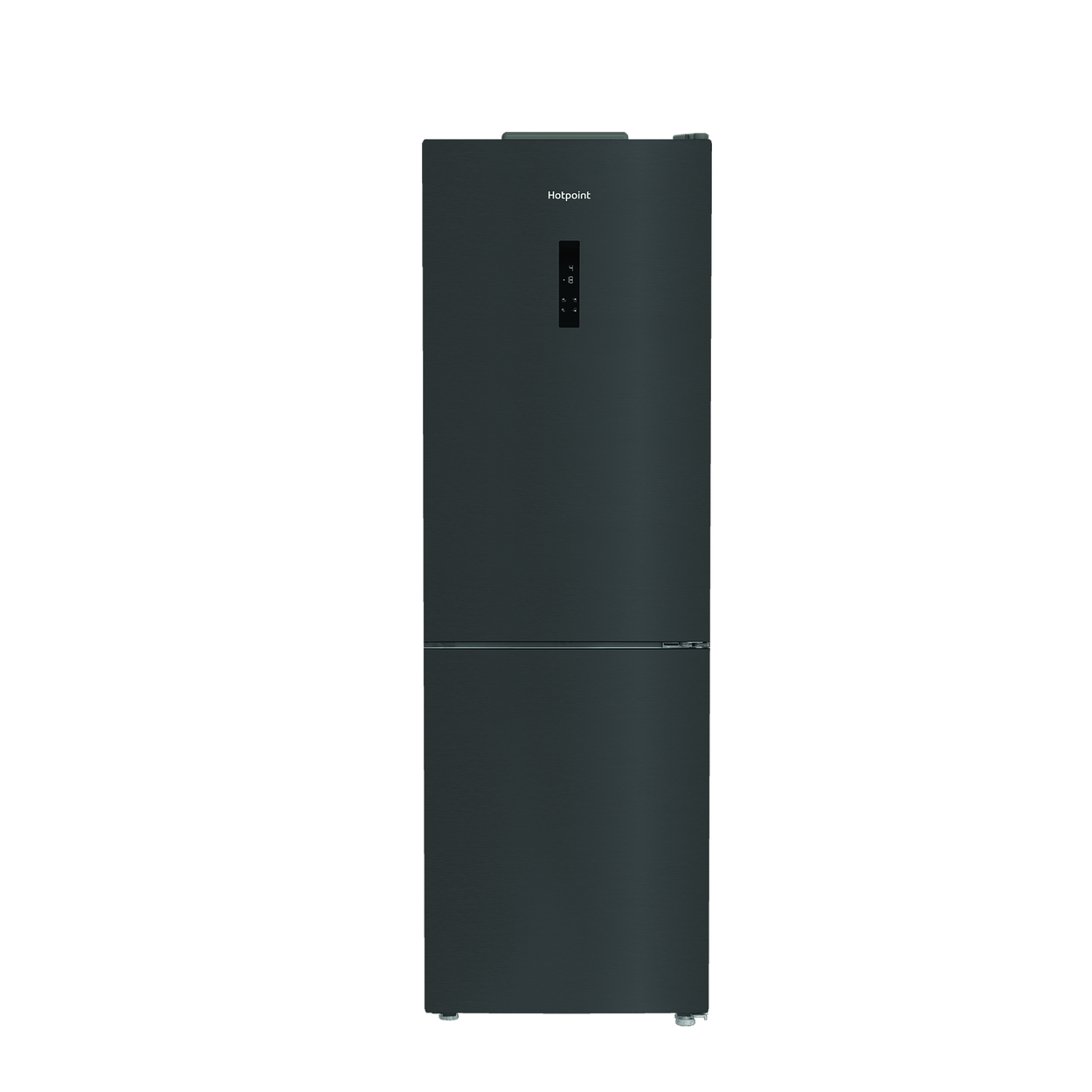 Image unavailable
Hotpoint HPK26363XBR5E, 316 L fridge-freezer
Worth comparing if you’re looking for a fridge-freezer for your weekly shop and have a space that suits its dimensions.
The model name indicates a capacity of 316 L, Total No Frost technology and a D energy rating. Check the capacity of each compartment and allow enough space to open the door and access the drawers.
View on Joybuy
Frequently asked questions
What capacity do you need if you do a weekly shop?
Start with the amount of food your household usually keeps in the fridge and freezer, rather than choosing one overall capacity. Que Choisir suggests 100 to 150 L as a starting point for one person, plus 50 L for each additional person. Adjust this to suit your habits and check how much space is set aside for frozen food.
What should you measure before ordering an integrated fridge?
Measure the internal dimensions of the housing, then check the model’s manual for ventilation, the door-fixing system, which way the door opens and access to the drawers. Housing dimensions aren’t interchangeable: Electrolux specifies 1780 × 560 × 550 mm for the KNS3SE18S, while Liebherr specifies 194–195 × 56–57 × 55 cm for the ICNd 5603.


